Chinese Zodiac: Your Personal Insight System

The Chinese Zodiac has been read, interpreted, and debated for over two thousand years—yet the core question it answers remains unchanged: why do different people move through the world so differently, and why do certain combinations of people simply work while others don’t? Enter your birth date below to find your sign and elemental profile. The explanation of what that actually means follows beneath.
Ask a specific question for a more tailored AI interpretation.





The Foundation: Why Birth Year, Not Birth Month
The first thing that surprises most people encountering chinese astrology for the first time is its unit of time. Western astrology divides the year into twelve segments; the Chinese Zodiac divides history into twelve-year cycles. The sign you carry isn’t determined by the season you were born into—it’s determined by the year, which the traditional system treats as a generational marker.
This distinction has a practical implication: everyone born in the same year shares the same primary animal sign. A Fire Tiger born in Tokyo in January 1986 and a Fire Tiger born in São Paulo in November 1986 share the same energetic baseline, even though they’re separated by continents and seasons. The system is less interested in individual differentiation by month and more interested in the larger cohort patterns—the shared tendencies that emerge in people shaped by the same era.
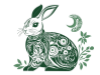
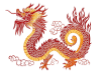
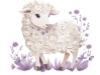
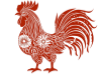
The twelve lunar calendar animals—Rat, Ox, Tiger, Rabbit, Dragon, Snake, Horse, Goat, Monkey, Rooster, Dog, and Pig—are traditionally said to have been established during the Han Dynasty (206 BCE–220 CE), though the symbolic use of these animals in timekeeping predates that period. Each animal was chosen not arbitrarily, but because its observed behavior was seen to mirror a recognizable human temperament. The Rat’s resourcefulness, the Ox’s endurance, the Dragon’s rare and auspicious nature—these associations developed through centuries of cultural observation before they were codified into the system we recognize today.
The 60-Year Cycle: Where Signs Become Specific
The twelve animal signs alone would make a relatively blunt instrument—one-twelfth of humanity sharing identical traits. The system’s real precision comes from its second layer: the Five Elements.
Wood, Fire, Earth, Metal, and Water each cycle through a two-year rotation (one Yin year, one Yang year), which means that over a 60-year period, every animal sign appears five times, each time paired with a different element. The result is 60 distinct combinations—specific enough to be genuinely descriptive, broad enough to remain a framework rather than a cage.
Here is how the elemental pairings modify the same animal sign:
| Element + Tiger | Birth Years | Core Modification |
|---|---|---|
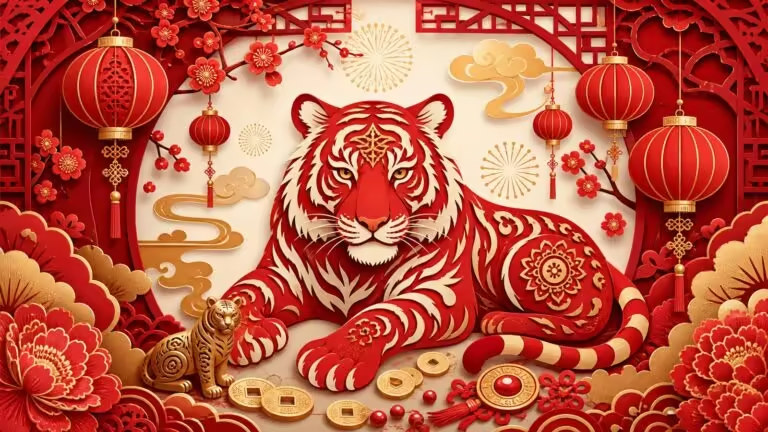
| Wood Tiger | 1914, 1974 | Tiger’s boldness softened by Wood’s cooperative, growth-oriented nature; more collaborative than most Tigers |
| Fire Tiger | 1926, 1986 | Tiger’s passion amplified; highly expressive, dynamic, but prone to burning out |
| Earth Tiger | 1938, 1998 | Tiger’s restlessness grounded; more methodical and security-conscious than the archetype suggests |
| Metal Tiger | 1950, 2010 | Tiger’s instincts sharpened by Metal’s precision; disciplined and uncompromising |
| Water Tiger | 1902, 1962 | Tiger’s directness tempered by Water’s intuition; more perceptive and strategic |
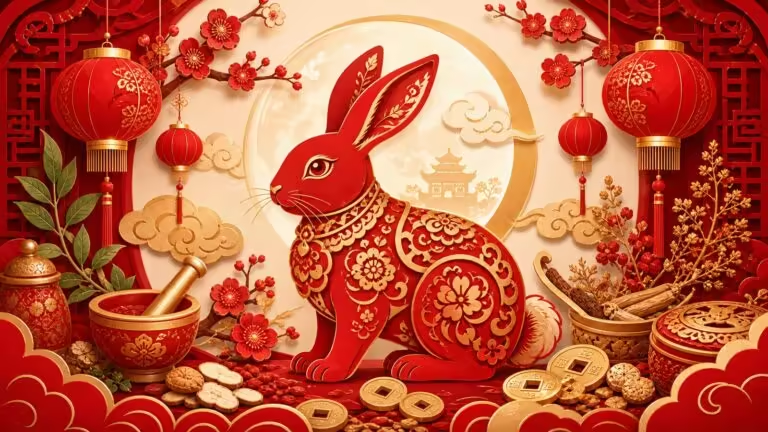
The same logic applies to every sign. A Metal Rabbit (1951, 2011) is still diplomatic and artistic at its core, but with Metal’s determination overlaid—more willing to hold a position than the Rabbit archetype typically suggests. A Water Dragon (1952, 2012) carries the Dragon’s natural authority, but Water adds a layer of emotional intelligence that makes that authority feel less imposing.
This is why the zodiac personality traits feel specific rather than generic when you go beyond the surface level: you’re not just a Dragon, you’re a particular kind of Dragon.
Core Components of the Chinese Zodiac
The 12 Animal Signs
The 12-year cycle assigns an animal archetype to each year, establishing the primary temperament for those born within it. These signs describe your default orientation—how you project yourself into the world, how you handle pressure, and where your natural strengths and friction points tend to emerge.
The Five Elements
Wood, Fire, Earth, Metal, and Water rotate through the calendar on a two-year cycle, modifying how each animal sign expresses itself. The elemental interactions also have their own logic: Wood feeds Fire, Fire produces Earth (ash), Earth contains Metal, Metal holds Water, Water nourishes Wood. Understanding these relationships helps explain why certain years feel expansive while others feel restrictive—it’s the interplay of elements, not just the animal in charge.
Yin and Yang
Every year in the cycle carries either a Yin or Yang polarity. Yang years tend toward outward movement, assertion, and expansion; Yin years favor reflection, consolidation, and internal work. A Yang sign like the Dragon is wired for direct action and visible impact. A Yin sign like the Rabbit processes quietly and operates through indirect influence. Recognizing this duality in your own sign helps explain your natural pace—and why certain environments energize you while others drain you.
The Four Trines
The twelve signs naturally cluster into four groups of three, known as Trines, based on shared fundamental qualities. These groupings explain a phenomenon most people have noticed intuitively: certain people feel immediately familiar, while others require constant translation.
| Trine | Signs | Shared Quality | Common Strength |
|---|---|---|---|
| The Innovators | Rat, Dragon, Monkey | Ambitious and intellectually driven | Strategy, leadership, adaptability |
| The Strategists | Ox, Snake, Rooster | Persistent and methodical | Depth, follow-through, long-term planning |
| The Idealists | Tiger, Horse, Dog | Independent and principle-driven | Vision, loyalty, moral courage |
| The Diplomats | Rabbit, Goat, Pig | Harmony-seeking and empathetic | Emotional intelligence, creativity, care |
Signs within the same Trine tend to understand each other without much effort. Friction most commonly arises between signs in directly opposing positions on the cycle—not because they’re incompatible, but because their natural approaches to the same problem can look like opposition rather than complementarity.
Building Your Personal Zodiac Profile
Most people stop at knowing their animal sign. A functional profile goes two layers deeper—and that’s where the chinese zodiac years system moves from interesting to genuinely useful.
The calculator above gives you your animal and element. Once you have those, the practical steps are straightforward:
- Verify your sign carefully if you were born in January or February. The Lunar New Year falls somewhere between late January and mid-February each year, meaning the Chinese calendar year doesn’t align with the Gregorian one. Someone born on February 5, 1986 is a Fire Tiger; someone born on January 15, 1986 may still be an Ox. The calculator accounts for this.
- Note your element and how it modifies your sign. Does it amplify your animal’s core traits, or does it introduce a counterpoint? A Fire sign on an already-assertive animal like the Tiger or Dragon creates intensity; a Water influence on those same signs adds depth and makes the expression less direct.
- Consider your Trine. The three signs in your Trine share a fundamental operating logic with you. This is often more predictive of natural affinity than simple sign-to-sign compatibility charts.
- Go deeper with each individual sign. The personality profile, elemental tendencies, and recommended materials for each of the twelve animals are covered in detail in the complete guide to the twelve Chinese zodiac animals.
- Look at the deeper layers if you want more precision. Traditional practitioners work with what’s known as the Four Pillars (四柱, Sì Zhù)—the animal and element associated with your birth year, month, day, and hour. Your birth year sign is the most significant and the right place to start, but the other pillars add nuance that the yearly sign alone can’t capture. A specialized zodiac sign calculator is needed for that level of analysis.
Annual Forecasts: Reading the Year’s Prevailing Energy
Each Lunar New Year shifts the collective energetic environment. The animal governing the year sets a tone that interacts differently with each personal sign—some years offer natural momentum, others introduce friction or call for consolidation.
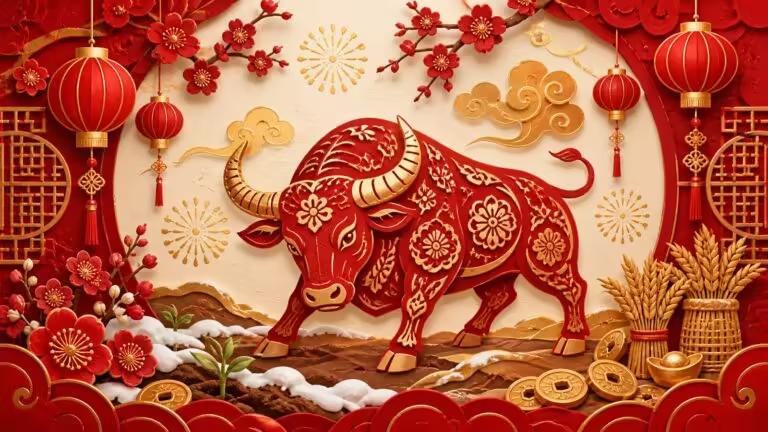
These forecasts are best understood not as predictions, but as atmospheric conditions. A year governed by the Metal Ox, for instance, rewards discipline and methodical effort regardless of your personal sign—but it will feel effortless to an Ox, Snake, or Rooster (the Strategist Trine), while a Tiger or Horse may feel the year resists their natural style.
Looking back through your own history in 12-year increments often reveals this pattern clearly. Years governed by the same animal don’t repeat the same events, but they tend to surface similar themes—the same types of opportunities, the same categories of challenge. This is the Chinese Zodiac chart meanings system at its most practical: not fate, but a recognizable rhythm in your own experience.
Annual Influences Worth Tracking
- Yearly Compatibility: How your sign traditionally relates to the current year’s governing animal. Direct opposition in the cycle (e.g., a Rat in a Horse year) calls for more deliberate navigation; harmonious pairings tend toward easier flow.
- Elemental Interaction: The relationship between your birth element and the year’s dominant element. These interactions follow the same productive and controlling cycles described above—Wood feeding Fire, Metal cutting Wood, and so on.
- Strategic Timing: Certain years in the cycle favor bold moves and expansion; others are structurally better suited to refining existing foundations. Knowing which kind of year you’re in doesn’t remove agency—it informs how to direct it.
- Traditional Markers: Auspicious directions, colors, and numbers vary by personal sign and current year. These function as symbolic anchors—small, concrete ways to stay aligned with the year’s particular quality.
The Zodiac and the Objects We Carry
Across East Asian cultures, the relationship between a person and their sign has never been purely conceptual—it has always been expressed materially, in the objects worn, carried, and kept close. Guardian Buddhas (本命佛, Běnmìng Fó) are traditionally associated with each sign, and for centuries people have chosen stones, carvings, and symbols connected to their animal as a form of daily alignment. For a detailed look at the specific materials and guardian symbols associated with each of the twelve signs, see the elemental affinities and objects of each Chinese zodiac animal.
These aren’t claims about metaphysical mechanics—they’re records of what people across many generations found meaningful in the objects they chose to keep close. The sign you were born under, the element that shapes it, the guardian figure associated with it: these have historically informed which symbols and materials a person felt an affinity for. That tradition continues in how people think about the jewelry and objects they choose today.
The Chinese Zodiac is less a system of fate and more a system of orientation—a way of understanding your own tendencies clearly enough to work with them rather than against them.
The calculator at the top of this page gives you your coordinates within this system. The animal tells you the archetype; the element tells you the flavor; the Trine tells you where your natural alliances are. What you do with that information is, as always, entirely yours.
Exploring the Chinese Zodiac: Related Insights
- Protective Deities: Chinese Zodiac: Which Buddha Protects Your Sign?
- Animal Meanings: What Are the Twelve Chinese Zodiac Animals?
- Wood Rat Profile: Wood Rat Chinese Astrology: Decoding Wisdom and Adaptability in the Zodiac
- Female Tiger Traits: Tiger Chinese Zodiac Personality Female: Navigating Strengths, Challenges, and Modern Empowerment
- Dragon Symbolism: Year of the Dragon Jewelry: A Cultural Guide to Symbolism, Design, and Meaningful Gifting
- Zodiac Dog Insights: The Silent Guardian: Understanding the Chinese Zodiac Dog
Frequently Asked Questions
What is the Chinese Zodiac system?+
The Chinese Zodiac is an ancient system, over 2,000 years old, that provides a framework for understanding cycles of time, personality, and interpersonal dynamics. It assigns a specific animal to each year within a 12-year cycle, determined by one's birth year.
How is my Chinese Zodiac sign determined, and how does it differ from Western astrology?+
Your Chinese Zodiac sign is determined by your birth year, with a specific animal assigned to each year in a 12-year cycle. This differs from Western astrology, where signs change monthly.
What are the main components of the Chinese Zodiac system besides the animal signs?+
Beyond the 12 animal signs, the Chinese Zodiac system includes the Five Elements (Wood, Fire, Earth, Metal, Water) which create unique combinations, Yin and Yang energies, and Four Trines, which are groups of harmonious signs.
How can the Chinese Zodiac be used as a practical guide in daily life?+
It can serve as a practical guide for self-reflection, helping to understand personal strengths and areas for growth. It also offers insights into potential career paths, relationship dynamics, favorable timing for decisions, and fosters empathy by providing a shared language for understanding others.
Does the Chinese Zodiac predict specific events?+
No, the Chinese Zodiac's annual forecast isn't about predicting specific events. Instead, it helps in understanding the prevailing energetic influences of a given year and how they might interact with your personal sign, allowing for mental and emotional preparation.