What Tibetan Incense Actually Does

The heavy oak door clicks shut, cutting off the city’s metallic drone. I drop my keys by the entryway next to a brass pixiu symbol and strike a match, holding the flame to a rough-hewn stick of Tibetan incense.
The sharp, cold scent of crushed juniper immediately fills the narrow hall. It acts as an instant grounding mechanism, drawing my focus away from flashing screens and anchoring me back in the physical room.
Alpine Roots to Smoke
A distinct aroma drifts from the Himalayan peaks. Tibetan incense serves as a direct aromatic link to high-altitude landscapes and indigenous practices.
These formulas draw heavily from traditional Tibetan medicine and early shamanic roots. You will not find a bamboo core here. The sticks are solid and thick, reflecting the harsh, grounded nature of the terrain where local gatherers harvest the raw materials.
Authentic Tibetan blends bring a raw, earthy grit directly into your space. You smell the actual crushed bark and dried soil, a stark departure from the sterile perfection of laboratory-born scents.
Every blend maps out a specific region’s flora. Just as tibetan prayer wheels scatter mantras across the wind, these dense sticks release concentrated botanical history into your living area.
Alchemy of Alpine Elements
Mixing these raw materials requires slow, deliberate labor. The process relies entirely on raw plant matter, demanding an intimate knowledge of alpine botany. The makers do not simply gather ingredients; they carefully curate an arsenal of active roots and saps.
The Alpine Arsenal
The makers source specific barks and saps for their distinct effects on the body, guided by centuries-old medical texts.
- Medicinal Herbs
Harvesters gather juniper, rhododendron, and spikenard from rocky slopes. Spikenard roots pulled from elevations above 4,000 meters yield a sharply crisp, granular aroma.The human olfactory system connects directly to the limbic system, the brain’s emotional center. This biological link is what makes spikenard function as more than just a pleasant smell — it operates as a genuine olfactory anchor.Consistently associating its earthy, woody scent with moments of focus builds a concrete neural pathway. Over time, simply inhaling the fragrance becomes a direct trigger for a grounded state, without any conscious effort required.
Historically, spikenard served as a highly valued trade item and a critical component in anointing oils. This lineage translates into a symbol for prosperity and abundance. Burning it acts as a sensory cue, transforming abstract intentions into a tangible environmental practice.
For Tibetans, it also carries the emotional weight of a freshly swept courtyard after a summer rain. Lighting spikenard feels like scrubbing the very air in your room, washing away the stagnant energy of old arguments or lingering stress.
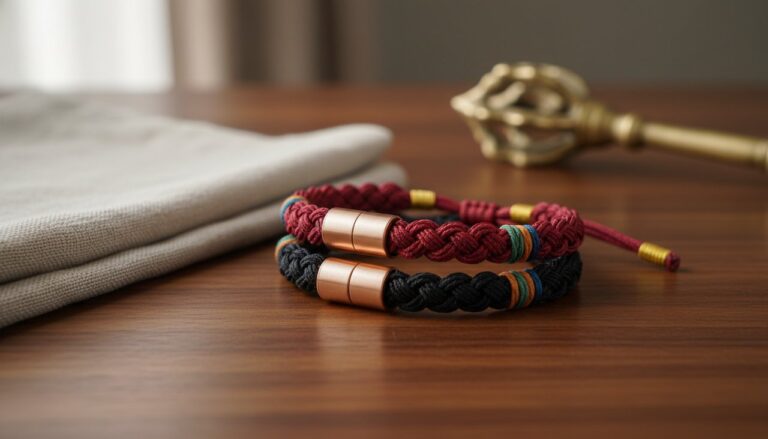
This aromatic smoke synergizes beautifully with your tibetan jewelry. As the thick smoke drifts across your hands, you can actually see and feel the rich, medicinal resins physically clinging to the wood. Over weeks of daily burning, these dense alpine oils slowly seep into the grain of the beads, conditioning the surface and deepening its natural patina into a dark, warm gloss.
- Precious Woods
Sandalwood and agarwood provide the heavy base notes. Artisans shave these dense logs into micro-fine dust, creating a combustible foundation that burns evenly without artificial accelerants. The steady smolder of these ancient woods creates an immediate shift in the room’s temperature, much like the focused calm cultivated through specific grounding practices. - Resins and Spices
Hardened saps like frankincense introduce a sharp, citrus-edged bite to the heavy wood base. Crushers pulverize these brittle resin tears into fine powder, ensuring the bright, cold aromatic oils disperse evenly throughout the dense mixture.How those oils behave in the room changes with the season. In dry winter air, frankincense volatilizes quickly — the citrus top notes hit hard and fast, then fade within minutes, leaving only the wood base. In humid summer conditions, the same resin releases more slowly and evenly, so the bright and heavy notes arrive together and linger longer. If you find winter burning feels thin or sharp, pairing frankincense with a denser wood-heavy blend compensates for the accelerated evaporation.
Gatherers carry these heavy sacks down steep mountain paths, ensuring the raw botanicals remain intact.
Grinding and Curing
Workers grind the dried materials in large stone mortars. They slowly add glacial meltwater, kneading the fragrant, granular dust into a thick clay.
Hands then roll this paste into thick, uniform cylinders. The makers leave these damp sticks on wooden racks to air-dry over several weeks. This slow curing process prevents the volatile oils from evaporating too quickly.
Crafting Rope Incense
Tibetan rope incense relies on a completely different structure. Artisans place a pinch of raw, coarse herbal powder onto a thin strip of Lokta paper derived from native bushes.
They twist this paper tightly into a braided cord. This serves a vital function. The porous Lokta paper acts as a natural, slow-burning membrane. As the flame travels down the twist, the paper regulates the oxygen flow, preventing the coarse herbs from combusting too rapidly and turning the scent bitter.
How Scent Alters the Mind
That metallic drone from outside the oak door is not just noise — it is a physiological state. Shoulders up, jaw tight, breath shallow. What monastic practitioners understood long before neuroscience confirmed it is that you cannot talk yourself out of that state, but you can smell your way out of it. Burning these botanical blends triggers immediate physiological responses, effectively merging environmental shifts with internal states.
Grounding the Nervous System
Inhaling the dense, musky air from high-altitude roots rapidly slows a racing pulse.
A specific formula heavily featuring high-altitude juniper acts as a neurological circuit breaker for digital anxiety.
When your eyes burn from screen glare and your mind loops through endless tasks, the cold, crisp bite of burning juniper shatters that mental haze.
The lack of synthetic perfumes means your body does not fight artificial chemical irritants. Instead, the natural resins create a settling atmosphere. This scent pulls chaotic energy downward, drawing your awareness back into your limbs so you can finally drop your shoulders and relax your jaw.
Anchoring a Wandering Mind
When you sit still, the sharp smell of the burning botanicals acts as a sensory tether. If your attention drifts, the sudden intake of resin-heavy air snaps your focus back to the current breath.
Practitioners often utilize these specific grounding scents to anchor themselves firmly to the floor. I find that wearing my weathered dzi beads while breathing in the heavy resin creates an unbreakable sense of physical gravity. This visual and aromatic tether holds your attention, much like how the tactile weight of mala beads keeps the hands occupied. If the heavy smoke needs an acoustic partner to fully clear the stagnant energy in your room, drafting in a resonant chime creates an immediate sensory reset.
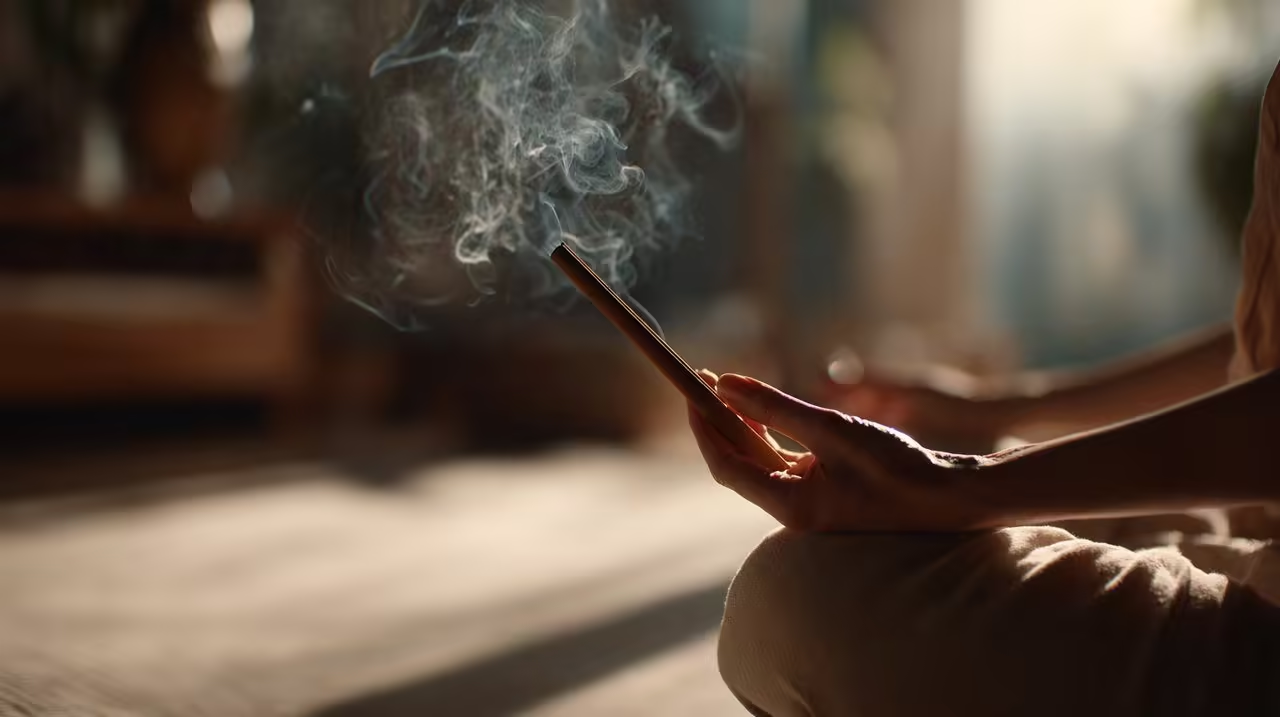
Igniting Twisted Ropes
Sticks drop easily into standard bowls, but the twisted ropes require a bed of white ash or a specialized ceramic dish to catch the falling embers.
The Ignition Sequence
Igniting these thick paper cords involves a highly specific sensory sequence.
- Pinch the twisted end
Grasp the thicker top of the rope. You will feel the dry, coarse texture of the raw herbs through the thin Lokta paper. - Apply the flame
Hold a lighter to the tip until the paper catches. Let the small orange flame consume the first quarter-inch of the twist. - Blow out the fire
Give it a sharp, quick breath. The flame dies, leaving a bright red cherry. Immediately, the smoke shifts from a thin gray wisp to a thick, milky-white cloud. - Breathe in the first draft
As you set it down in the burner, the initial hit of smoke reaches your nose. You will often notice a surprising, camphor-like cooling sensation at the back of your throat before the heavier, warm wood notes settle into the room.
The most common mistake is setting the rope down before the flame is fully extinguished. If even a small tongue of fire remains when it touches the burner, the paper flares rather than smolders. Instead of the milky-white cloud, you get a thin, acrid stream of black smoke with a sharp, charred edge — the smell of burnt paper rather than botanicals. If that happens, blow it out again immediately, wait two seconds, and check the tip is a solid red cherry before releasing it. The whole sequence takes practice, but once the timing is internalized it becomes automatic.
The Intentional Vessel
While sticks drop easily into standard bowls, creating a dedicated setup requires an intentional chalice. A carefully chosen Tibetan incense holder transforms a basic receptacle into a physical anchor, standing as a silent witness to your daily habits.
Authentic Tibetan incense is coreless — no bamboo spine, no metal rod. What you are burning is a solid cylinder of compressed botanical matter, and that structural difference matters when choosing a holder. Because the entire stick converts to ash rather than leaving a rigid core behind, you need a vessel with a broad, flat catch area. A narrow slot designed for cored incense will leave you with a pile of ash on your desk within minutes.
The material directly influences the aromatic release. Copper and brass offer exceptional heat distribution, which subtly shifts how certain resins melt and disperse into the room. Stone holders, such as soapstone or marble, absorb heat and provide a cooler burn, allowing delicate floral or spice notes to linger longer. Wooden holders bring an organic warmth. Over years of use, the wood grain absorbs the surrounding smoke, developing a unique scent profile entirely its own.
Design elements often incorporate the Eight Auspicious Symbols. The Endless Knot, for example, represents the interconnectedness of all things. These integrated motifs elevate the holder from a simple tool to a supportive visual touchstone while the incense burns.
For smaller desks or high-traffic areas, an enclosed design prevents sudden drafts from scattering the ash. A heavy, stable base ensures the burning stick remains entirely secure.
Modern Scent Rituals
I do not keep a dedicated meditation room to burn these botanical tools. I simply let the smoke weave through the mundane corners of my demanding days, watching it shift the emotional weight of my apartment.
When I wake up to a stuffy, closed bedroom, I reach for a bright, frankincense-heavy blend. The sharp citrus notes bite through the morning fog, snapping my lethargic brain to attention long before the coffee brews.
After lunch, when my thoughts turn thick and sluggish, I light a twisted rope on my desk. Watching the milky-white cloud curl past my monitor somehow slows my frantic typing, giving my eyes a place to rest and my mind a moment to breathe.
The moment I slam my laptop shut, I strike a match for a dense, earthy stick. The sudden shift in the room’s scent acts as a physical barrier, telling my nervous system that the digital demands are locked away and the evening finally belongs to me.
An hour before I pull up the covers, I let a sweeter, spikenard-based smoke fill the hallway. Spikenard contains naturally soothing properties that actively signal the nervous system to relax. Instead of simply masking stress, it creates a deliberate environment that supports physiological unwinding. The slow, visible release of the musky aroma softens the harsh edges of the room, coaxing the tension out of my jaw and preparing my heavy limbs for rest.
I keep experimenting with different regional recipes, paying attention to how my breathing changes with each botanical shift. The ash left behind is just crushed plant matter that I easily wipe away, leaving my sanctuary noticeably quieter than before.