Lotus Necklace: Anchor for Mental Resilience

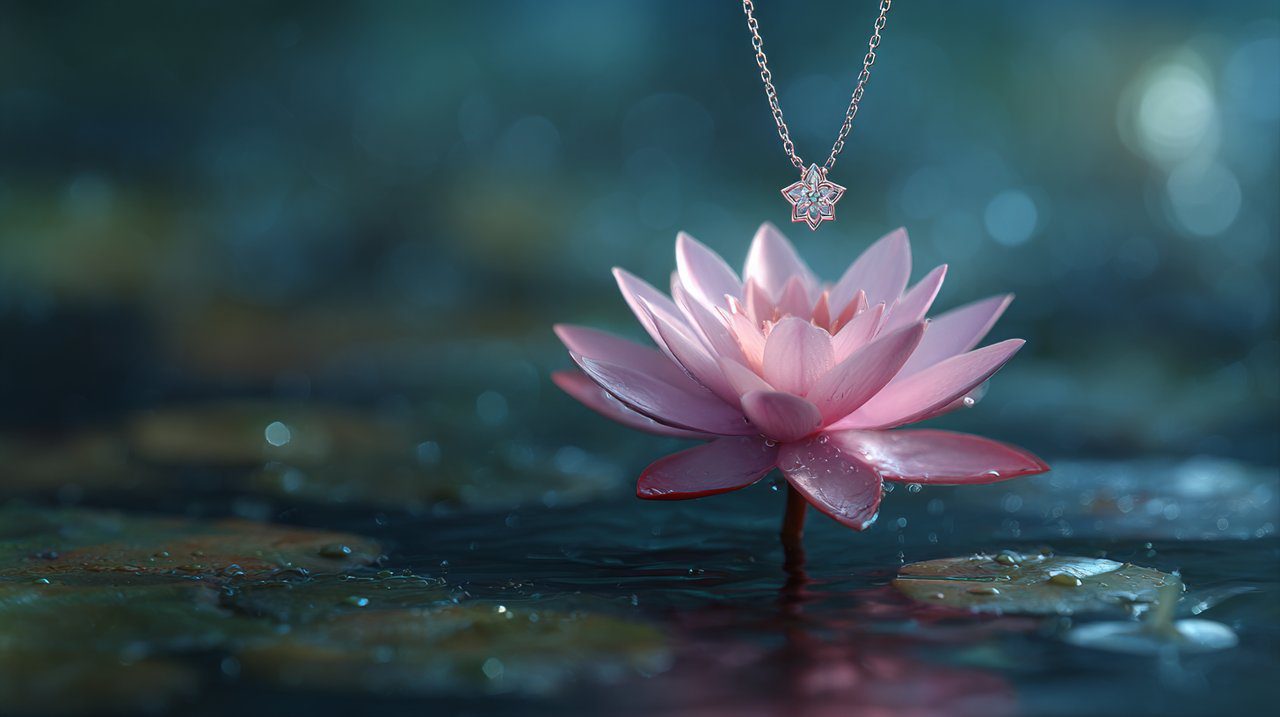
The lotus flower offers a compelling biological case study that I find fascinating. It thrives in stagnant, murky water, yet its petals emerge entirely spotless. This resilience is the reason cultures throughout history have utilized the bloom as a foundational icon for purity in buddhism and rebirth symbolism.
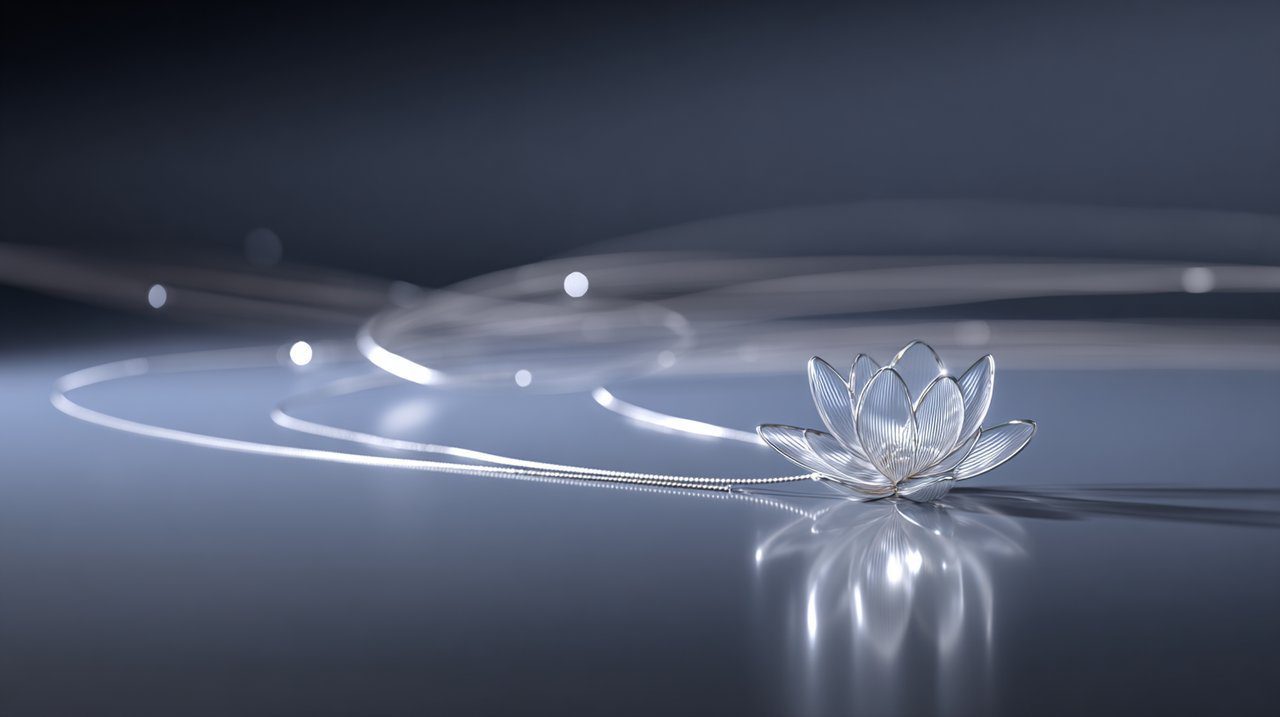
I view the lotus flower necklace as a piece of functional technology for the mind. From an environmental psychology perspective, it serves as a visual and tactile anchor that grounds your intentions. By wearing this symbol, you create a persistent cue for spiritual awakening and emotional consistency.
Integrating this icon into your personal space provides a form of positive self-suggestion. It acts as a physical reminder to maintain your internal equilibrium, regardless of the noise in your external environment. This logical approach turns an ancient symbol into a modern instrument for mental well-being. For a broader look at how different wearable items facilitate this focus, you might find my guide on energy practices helpful. Spiritual Bracelet Meaning: Your Complete Guide to Energy Practice
Historical Foundation of the Lotus Symbol
Before analyzing the psychological benefits, we should look at the traditional framework of this symbol. The lotus represents the transition from confusion to a state of spiritual growth. This narrative of the “mud-to-bloom” journey is a universal metaphor for managing adversity through persistence.
In many Eastern philosophies, the flower represents the human potential to rise above material distractions. Understanding these roots explains why the symbol carries such weight in our collective consciousness. It provides a logical bridge between our struggles and our potential for refinement.
The Mechanics of Cognitive Anchoring
A lotus necklace functions through the principle of mental association, which I like to call “haptic triggering.” When you see or touch the pendant, it triggers a specific mental response linked to resilience. This process helps interrupt the stress loop by providing a constant prompt to stay centered.
When you encounter obstacles, the necklace acts as a visual framework for reframing challenges. Instead of seeing a setback as a permanent failure, the lotus suggests it is merely the “mud” necessary for future development. This is a form of cognitive reconstruction—changing the internal label you give to an event to change your emotional reaction to it.
Mental Habits for Personal Growth
The life cycle of the lotus provides three distinct logical metaphors that apply to our mental state and daily routines. These concepts help translate abstract goals into actionable mindfulness techniques.
- Mental Hygiene: The lotus represents the ability to filter out environmental noise. It encourages the mind to remain unaffected by the “silt” of daily distractions and information overload.
- Daily Resets: I interpret the concept of rebirth as the cognitive ability to start fresh. The lotus symbolizes the decision to leave behind yesterday’s mental residue, prompting a clean slate every morning.
- Perceptual Clarity: This involve seeing situations as they truly are, without the distortion of reactive emotions. Logically, this allows for better decision-making and a more objective view of life’s complexities.
These metaphors are not just poetic; they are blueprints for how we can structure our daily mental focus. To see how these themes of transformation are captured in specific designs, you can explore the connection between floral symbols and personal change.
Wearing a lotus symbol is a form of environmental conditioning, providing a quiet cue to return to a state of composure when external pressure increases.
Global Perspectives on Resilience
Different historical systems have utilized the lotus to represent their highest ideals. Understanding these frameworks adds depth to your rational connection with the symbol:
- Buddhist Logic: The lotus represents the path of refining the mind and shedding the ego to achieve higher awareness.
- Vedic Traditions: In these systems, the bloom is a symbol of potential and the unfolding of the universe within the individual, often linked to sacred geometry.
- Ancient Observations: The Egyptians linked the flower to the solar cycle, viewing its daily emergence as a predictable rhythm of life and renewal.
These perspectives show that the human drive for clarity and structured growth is a timeless pursuit. Identifying which cultural logic resonates most with you can help in choosing the right tool for your needs.
Mental Focus and the Crown Chakra
The lotus is frequently linked to the crown chakra. I view this as the “executive center” of the mind. In this context, the lotus acts as a focal point that encourages us to move toward higher-order thinking and broader perspectives rather than getting stuck in petty details.
This upward orientation helps minimize the tunnel vision caused by acute stress. By using the necklace as a prompt for mental presence, you can more easily access a state of composure. It serves as a physical reminder to maintain a high-level view of your long-term goals and personal values.
Selecting a Functional Visual Anchor
Choosing a lotus necklace should be a deliberate process. Since the item serves as a visual anchor, its material and design should align with your specific mental goals. This is a practical application of optimizing your personal environment for success.
Logic of the Material Choice
Different materials provide different sensory feedback, which can influence your focus throughout the day:
- Silver: The cool, reflective surface of silver is ideal for promoting emotional neutrality and mental hygiene.
- Gold: The warmth of gold is a logical choice for those who want to reinforce optimism and vital energy.
- Natural Elements: Materials like wood or seeds provide a grounding, tactile experience that keeps you connected to the physical present.
The Role of Intentional Design
The complexity of the design should match your preference for visual reminders. A minimalist design works for those who value subtle prompts, while more intricate pieces can offer additional layers of intent. Ultimately, the most effective tool is the one you connect with instinctively, providing a daily mental reset and a reminder of your innate resilience.
Building a Resilient Mindset
In my research, I’ve found that the most successful people aren’t those who avoid stress, but those who have developed systems to manage it. A lotus necklace isn’t a magic solution, but it is a powerful component of a personal “mental dashboard.” It provides a consistent, quiet signal to your brain that growth is possible even in difficult conditions. By choosing to wear this symbol, you are making a rational commitment to your own clarity and continued transformation.