Tibetan Lotus: A Guide to Its Profound Symbolism and Spiritual Path

The lotus, an aquatic blossom, is revered across spiritual traditions, yet its meaning deepens significantly within Tibetan Buddhism. Its symbolism offers a direct guide for spiritual growth.
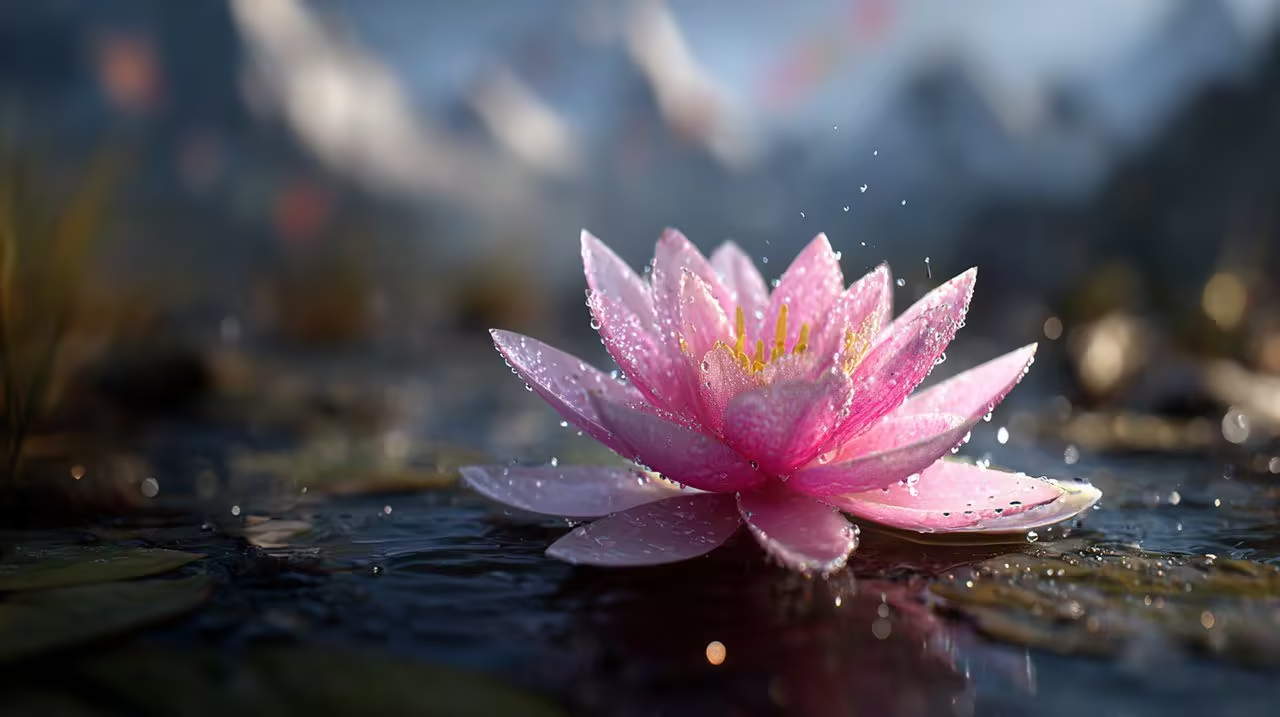
The Tibetan Lotus embodies a powerful message of purity, unwavering resilience, and the journey toward spiritual awakening. It provides wisdom for all who seek liberation, offering insights that resonate with our own quests for inner clarity. Understanding its nuances can fortify an enduring spirit, a topic further explored in .
Lotus Symbolism: A Cross-Cultural Analysis
Universal Reverence: Purity Across Traditions
The lotus’s reverence spans millennia and continents, a testament to its universal appeal. In ancient Egypt, it symbolized creation and rebirth, mirroring the sun’s daily cycle. Within Hinduism, it embodies divine beauty, purity, and the unfolding of the universe, often serving as the sacred seat for deities like Brahma and Lakshmi.
This widespread veneration underscores humanity’s innate recognition of the lotus’s unique qualities. Its remarkable ability to remain unsullied, despite originating in murky waters, provides a compelling visual metaphor. This resilience points to the inherent purity of the soul, a state believed to be untouched by worldly attachments, a concept often reflected in the design of various spiritual adornments, including mala beads.
Tibetan Buddhism: A Distinctive Interpretation
While the lotus’s universal appeal is undeniable, its significance attains a distinctive elevation within Tibetan Buddhism. Here, its role transcends a simple emblem of purity, transforming into an active representation of compassion, wisdom, and the very structure of enlightenment.
The Tibetan Lotus is central to Vajrayana, or Tantric Buddhism. Its symbolism deepens to represent the remarkable potential for awakening believed to reside within every sentient being. This potential exists regardless of one’s current circumstances, powerfully illustrating the transformative power inherent in spiritual practice. It consistently urges practitioners to cultivate inner purity, even amidst the defilements of samsara, the cycle of suffering.
Having established the lotus’s universal resonance and its unique elevation in Tibetan thought, we now delve into the specific core meanings that define its profound symbolism.
Tibetan Lotus Symbolism: Core Meanings
Rising Unstained: Purity Amidst Defilement
A primary aspect of Tibetan Lotus symbolism is its remarkable ability to flourish in muddy water while remaining immaculately clean. This phenomenon offers a compelling image for spiritual purity and the process of awakening.
The lotus blossom rises majestically above the mire, its delicate petals entirely untouched by surrounding impurities. This natural process serves as a direct teaching: just as the lotus emerges pristine from its environment, so too can the spiritual practitioner navigate worldly complexities. Engaging with challenges, one can cultivate a mind free from defilement. This insight reveals that suffering and impurity are not inherent to our being; rather, they arise from attachment and ignorance. It reminds us that the innate Buddha-nature within each of us remains pure, awaiting discovery, much like the profound patterns within Dzi stones.
The Jewel in the Lotus: Wisdom and Compassion Intertwined
Among the most iconic expressions in Tibetan Buddhism is the mantra, Om Mani Padme Hum, translating to "The Jewel in the Lotus." This powerful phrase encapsulates a fundamental truth, serving as a concise philosophical statement:
The jewel (Mani) represents both wisdom (bodhicitta) and boundless compassion. The lotus (Padme) symbolizes purity and the very path to enlightenment.
This mantra suggests that within the pure vessel of the lotus—our awakened mind or Buddha-nature—the precious jewel of wisdom and compassion resides. Liberation, in this context, is achieved through the diligent cultivation of these two intertwined qualities: compassion as the method and the wisdom of emptiness as the insight. Reciting Om Mani Padme Hum is thus more than a verbal act; it is a direct engagement with these principles. Practitioners often use mala beads to count repetitions, focusing the mind and cultivating inner peace. This practice purifies negative karma, accumulates merit, and ultimately leads to a deeper understanding of the Tibetan Lotus Flower Meaning within Vajrayana, where wisdom and compassion are indivisible, two sides of the same enlightened experience.
Cycle of Existence: Path to Nirvana
Beyond its purity, the lotus’s entire life cycle—from a humble seed to a magnificent bloom—offers a clear representation of the cycle of existence (samsara) and the challenging, yet rewarding, path to nirvana. Its roots, firmly anchored in the earth, symbolize our karmic past and worldly existence. The stem gracefully ascends through water, representing life’s diverse experiences. Finally, its flower opens to the sun, symbolizing enlightenment and liberation.
Each stage of this natural progression signifies a crucial step on the spiritual journey. It reminds practitioners that even from the deepest suffering, the potential for ultimate freedom blossoms. The lotus, in this context, functions not merely as a static symbol but as a dynamic guide. It illustrates that liberation is not an escape from reality, but rather a transformation within it, akin to the continuous rotation of tibetan prayer wheels signifying an ongoing spiritual journey.
Understanding these core symbolic meanings allows us to appreciate how the lotus is not merely an abstract concept but is actively integrated into Tibetan Buddhist practice and art.
Integrated Practice: Lotus in Sadhana and Art
Lotus in Meditation and Ritual Practice
For countless practitioners, the lotus serves as a vital tool in meditation. During sadhana, or spiritual practice, one might visualize a lotus unfolding within their heart center. This acts as a powerful representation of one’s blossoming Buddha-nature.
This mental image anchors concentration, assisting in purifying the mind, cultivating compassion, and generating insights. The pristine petals and luminous quality of the visualized lotus gently guide the meditator towards clarity and inner peace. This fosters a direct understanding of the symbol’s inherent meaning.
Beyond personal meditation, the lotus is a fundamental element in the construction of mandalas within Vajrayana Buddhism. These cosmic diagrams, representing the enlightened mind, often feature deities seated on lotus thrones, signifying their innate purity and elevated status.
Many ritual objects also incorporate lotus motifs. These are not mere decorations but functional symbols, observed in items such as:
- The base of a vajra (the thunderbolt scepter)
- Ritual bells
- Adornments like Tibetan jewelry and protective Tibetan bangles
These motifs symbolize the pure ground upon which wisdom and compassion manifest, reinforcing the lotus’s role as a core element for sacred space and spiritual power.
Artistic Medium: Thangkas and Sculptures
The Tibetan Lotus is a ubiquitous presence across Tibetan Buddhist art. From the vivid colors of Thangkas (scroll paintings) to the detailed carvings of sculptures, the lotus serves as a recurring and central symbol.
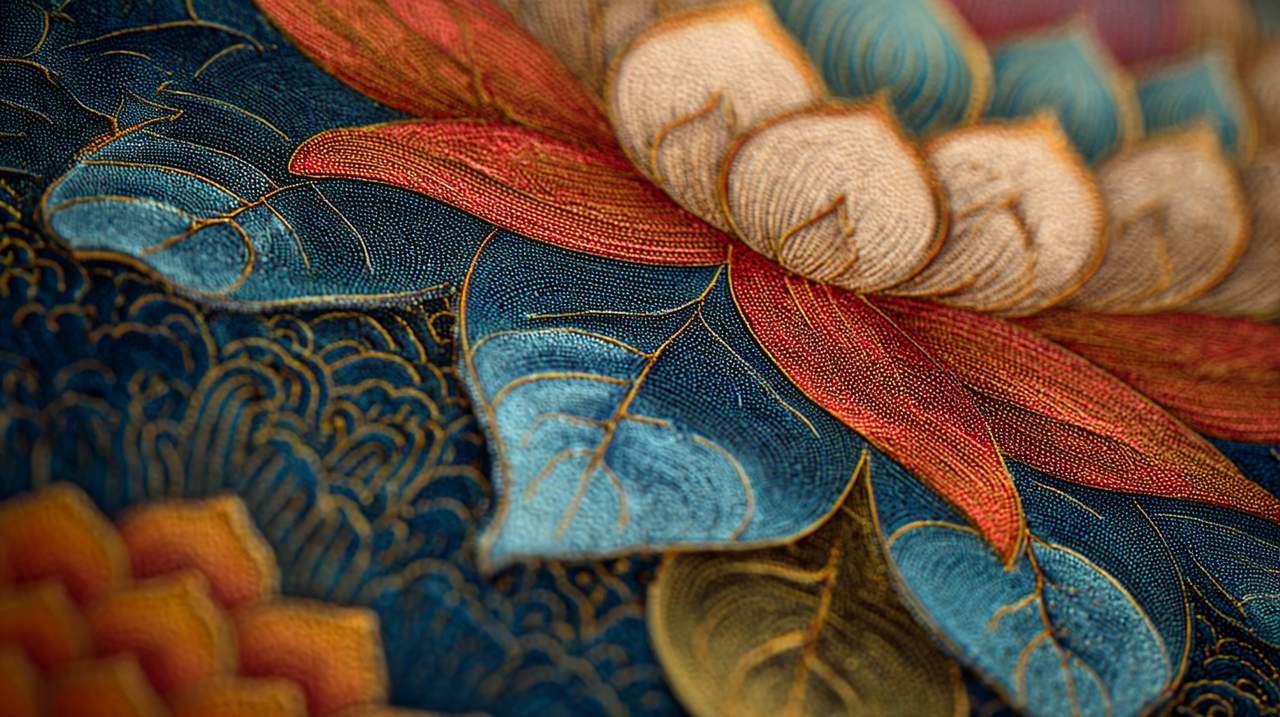
Bodhisattvas and Buddhas are almost universally depicted seated or standing upon lotus pedestals. This signifies their transcendence and the pure state of their enlightenment. Even the color of the lotus carries specific meanings:
- A white lotus represents purity and spiritual perfection.
- A red lotus symbolizes deep love and compassion.
These artistic renditions are not merely decorative elements. They function as profound visual teachings, allowing the viewer to absorb the meaning of the lotus through contemplative engagement. This visual language proves as impactful as any scripture in conveying spiritual truths.
Having explored how the lotus integrates into spiritual practice and art, we now turn to its most profound application: guiding personal transformation in daily life.
Personal Transformation: Embracing Lotus Wisdom
The Power of Inner Transformation
At its core, the Tibetan Lotus stands as a powerful reminder of our innate capacity for inner transformation. It imparts a key teaching: regardless of past actions or current circumstances, the potential for purity, wisdom, and compassion remains untainted and accessible within each individual.
Just as the lotus patiently pushes through the mud to bloom, individuals possess the ability to navigate life’s inevitable challenges. These difficulties can be utilized as ground for growth, rather than leading to despair. This perspective cultivates a resilient spirit, fostering a belief in one’s ability to overcome obstacles and realize full potential. Such transformation is universally accessible, not merely for a select few.
Lotus Wisdom in Daily Life
Integrating Lotus Wisdom into Daily Life means approaching all experiences with an attitude of non-attachment and clarity. It encourages observation of thoughts and emotions dispassionately, without becoming entangled in their defilements. The lotus, remaining untouched by the mud through which it rises, serves as a clear model for cultivating this mental state.
Practical applications of the lotus’s teachings are numerous, encompassing:
- Cultivating mindfulness in every action.
- Extending compassion to oneself and others.
- Consciously seeking moments of stillness amidst modern clamor.
By deliberately choosing to focus on innate purity and potential for growth, mundane moments transform into opportunities for spiritual enrichment. This allows one’s own inner lotus to blossom amidst the complexities of contemporary existence, demonstrating the transformative power of focused intention.
The lotus, revered across diverse spiritual traditions and particularly within Tibetan Buddhism, offers far more than aesthetic beauty. Its profound symbolism provides a clear guide for navigating life’s challenges, reminding us that even from the most difficult circumstances, purity, wisdom, and compassion can emerge.
The Tibetan Lotus functions not merely as a static symbol but as an active guide, illustrating the inherent potential for awakening within each individual. Its wisdom offers a clear path for inner transformation, urging us to cultivate our inner garden regardless of the ‘mud’ encountered. By integrating these insights, one can foster a resilient spirit and allow their own inner lotus to blossom.