How to Identify and Purchase Authentic Tibetan Clothing

Run your fingers across a piece of hand-combed Khullu, and you immediately feel the subtle grip of natural fibers warming against your skin. This initial tactile connection is the true gateway to understanding authentic Tibetan clothing. Far beyond mere fabric, these garments represent a living, breathing tradition woven from the high-altitude elements. Recognizing genuine craftsmanship requires you to tune into these sensory details and appreciate the intentional relationship between the artisan, the environment, and the wearer.
The Cultural Roots of Tibetan Silhouettes
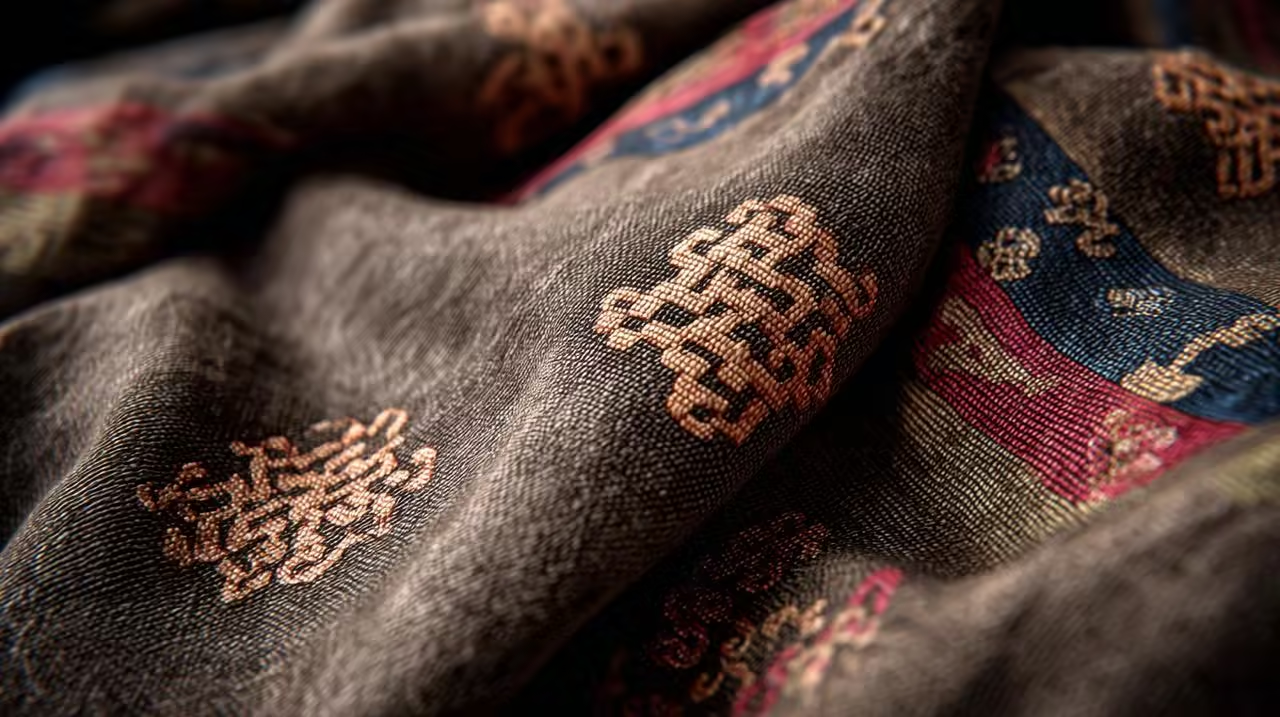
The vast Tibetan plateau dictates distinct regional styling choices that serve both practical and spiritual purposes.
- Amdo: Known for wide sleeves and bright colors, utilizing heavy felted wool that embodies the vast, open resilience of the local environment.
- Kham: Nomadic designs feature broad-shouldered heavy wool chubas, sometimes lined with sheepskin. These robust designs are a physical manifestation of the nomads’ deep, symbiotic relationship with the untamed landscape.
- U-Tsang: The Lhasa style provides a more fitted, elegant silhouette crafted from fine silks, reflecting a historically settled lifestyle intertwined with rich spiritual devotion.
The very act of draping a heavy Chuba over your shoulders transforms daily attire into a continuous mindful practice. The sheer weight of the densely woven wool settles onto the body like a comforting anchor. As you fold and secure the heavy fabric, the physical sensation naturally centers your focus.
Pairing this substantial garment with the solid, cold touch of a hand-hammered tibetan ring provides a distinct tactile contrast before stepping out into the cold. The metal absorbs the body’s warmth, becoming a subtle physical reminder of intention, much like the rhythmic passing of mala beads through your fingers. This tactile grounding through physical objects mirrors other regional contemplative methods that utilize sensory engagement to anchor the mind. Tibetan Conch Trumpet: Six Practices for Mindfulness
Physical Identification of Genuine Craftsmanship
The foundation of these garments lies in raw materials like Khullu, the exceptionally fine undercoat of the yak. True premium Khullu fibers measure strictly between 15.0 and 19.0 microns in diameter, with a staple length of 25 to 35 millimeters. Because a single yak yields only 100 to 500 grams of this down annually through hand-combing, authentic garments possess a rare, lightweight softness that standard outer yak hair cannot replicate.
If you are handling a wool piece and remain unsure of its origin, a simple burn test can immediately differentiate real yak wool from common synthetic substitutes.
- Authentic Yak Wool: Burns slowly, smells distinctly of burnt hair, and leaves a dark, brittle ash that crushes easily between your fingers.
- Synthetic Acrylic: Burns rapidly with a harsh chemical plastic odor, melting into a hard black bead that cannot be crushed.
Color offers another definitive marker of origin. Traditional Tibetan garments utilize native high-altitude botanical dyes, such as Rubia cordifolia and Indigofera. These natural pigments possess a high metamerism index, causing the fabric to shift in hue depending on the light. Under warm 3000K indoor lighting, a madder-dyed fabric will radiate a rich orange-red, but step outside into crisp 6500K daylight, and it will immediately reveal a cooler, slightly purplish earthy undertone.
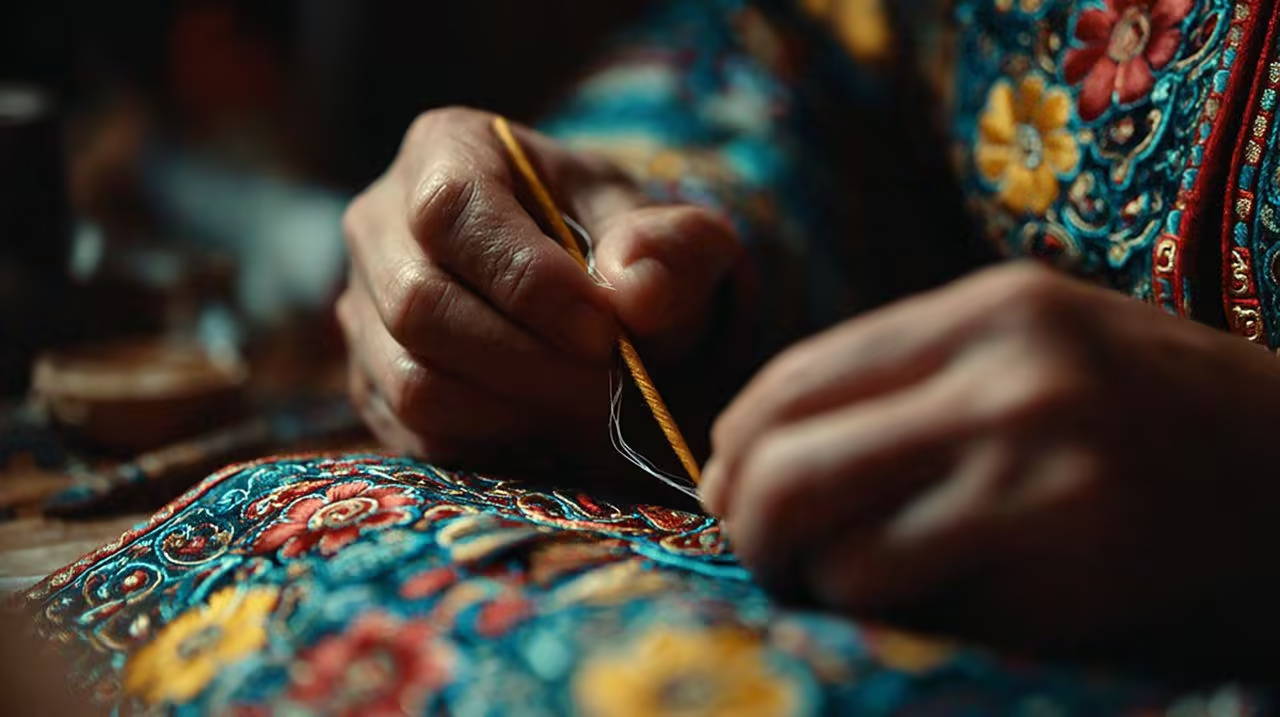
True craftsmanship is also highly visible in a garment’s structural stitching, particularly at high-stress areas like collars and cuffs. Authentic hand-stitched reinforcements display a distinct stepped or staggered pattern, with stitch lengths fluctuating naturally between 4 to 7 millimeters. You will often notice slight puckering on the fabric surface due to the uneven tension of the artisan’s hand-spun wool thread.
At sharp corners, a skilled tailor will deliberately overlap or skip stitches to accommodate sudden changes in fabric thickness. In stark contrast, industrial lockstitching utilizes perfect 2.5-millimeter intervals, creating an absolutely rigid, interlocking straight line that cannot adapt organically to the heavy wool’s contours.
Trusted Channels for Authentic Purchases
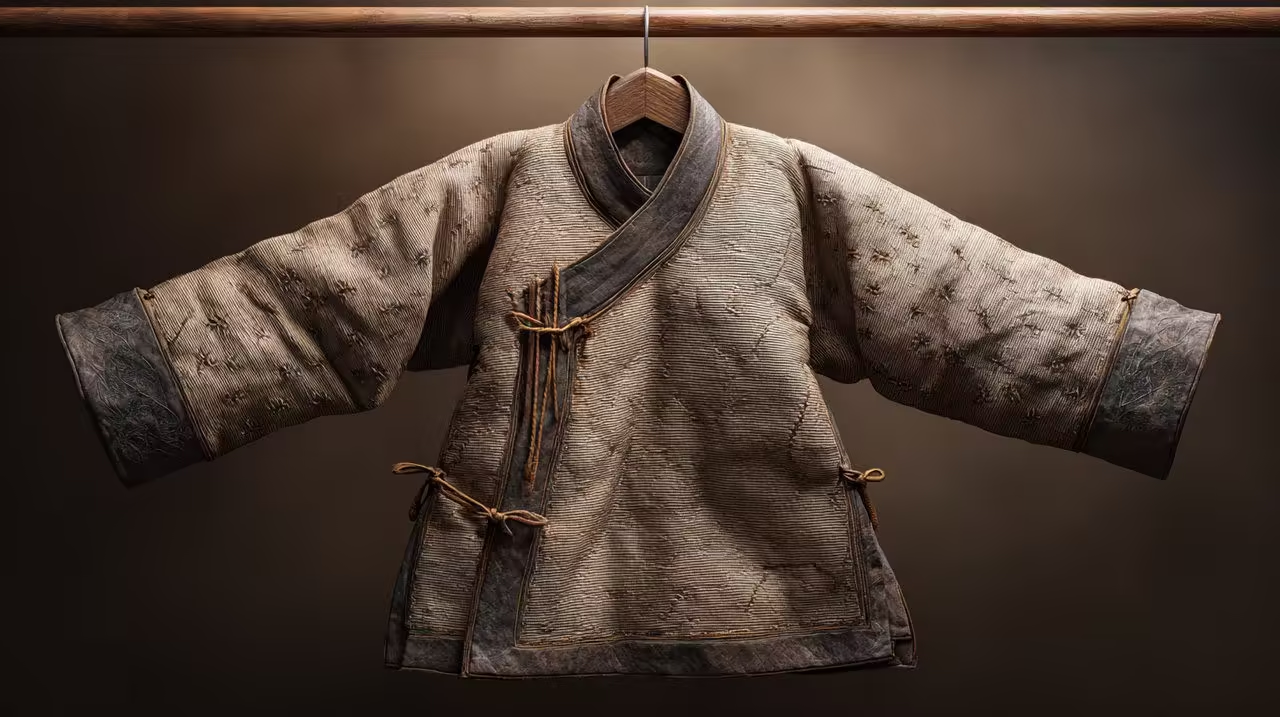
Knowing exactly where and how to shop is the best defense against purchasing a mass-produced replica. When visiting recognized markets like Lhasa’s Barkhor Street, bypass the tourist stalls selling cheap synthetic blends for 100 to 500 CNY. Seek out established traditional tailor shops where an authentic, hand-stitched yak wool chuba will appropriately range from 2,000 to over 8,000 CNY. This pricing accurately reflects the true cost of ethically sourced materials and highly skilled labor.
If you are seeking hand-woven Nambu, high-quality yak down varieties from weaving centers like Gyantse generally price between 120 and 280 RMB per meter. If you are buying online or traveling abroad, look for pieces sourced directly from verifiable cultural preservation organizations like the Norbulingka Institute.
These institutions embed unique registry IDs and physical tags within the fabric seams rather than relying on generic marketing. Their silk garments will clearly show the natural slubs of hand-spun yarn and the subtle saturation gradients unique to plant-based dyeing. Ethical retailers also carry a curated selection of other verified heritage items, allowing you to examine the heavy, cold density of genuine tibetan bangles alongside their textiles. Understanding the origins of these natural materials deepens your appreciation for the region’s broader artisan ecology. Aloeswood Explained: Origins, Spiritual Significance, and Uses
Caring for Your Tibetan Garments
Proper maintenance extends the life of these handcrafted heirloom pieces. Authentic yak wool and natural silk require gentle care to preserve their rich lanolin content and structural integrity.
Using mild, natural cleansers like soapnut extract or pure spring water prevents the fibers from becoming brittle. Keep your garments away from prolonged direct sunlight when not in use.
Traditional plant-based dyes offer a beautifully shifting visual depth that synthetic colors simply cannot replicate. However, their natural composition makes them more sensitive to accelerated fading under harsh UV exposure. Over time, sunlight will cause a gradual patina evolution rather than an abrupt color loss.
Always store your clothing in breathable cotton or muslin bags rather than plastic containers. This vital step prevents moisture buildup and protects the delicate animal fibers from degrading.
Caring for these textiles is an act of maintaining your personal energy field. The deliberate folding and safe storage of the heavy wool reinforces a mindset of preservation and respect for the artisan’s labor.