Lotus Symbolism: Purity from Mud

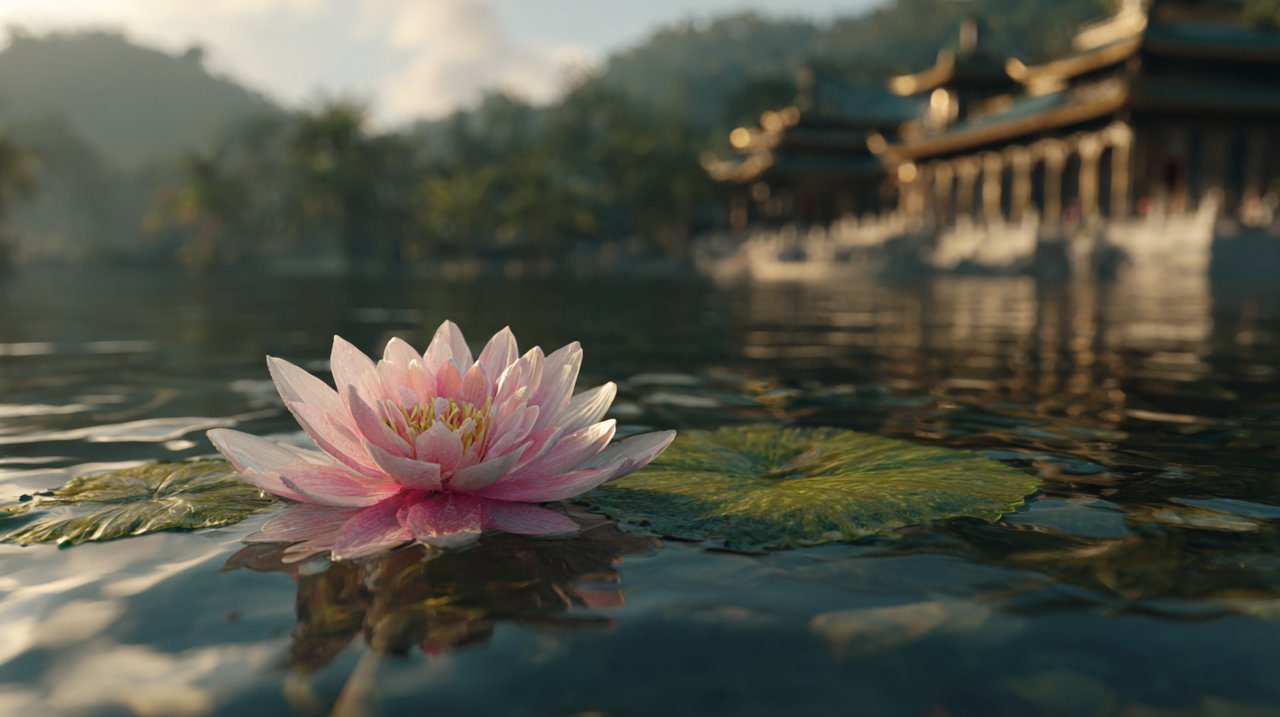
The natural world functions as a mirror for the interior landscape of the spirit. Among the most articulate of these biological teachers is the lotus flower. Rooted in the silty, oxygen-deprived depths of stagnant ponds, it rises to display petals that remain remarkably untouched by the debris of its origin. This striking biological feat serves as the core of buddhist symbolism, illustrating the possibility of spiritual awakening regardless of one’s environment.
The Alchemy of Mud: Purity and Resilience
The life cycle of the lotus is not merely a botanical process; it is a narrative of psychological transformation. The plant does not grow despite the mud; it grows because of it. The nutrient-rich silt provides the very energy required for the stem to pierce the water’s surface and seek the light.
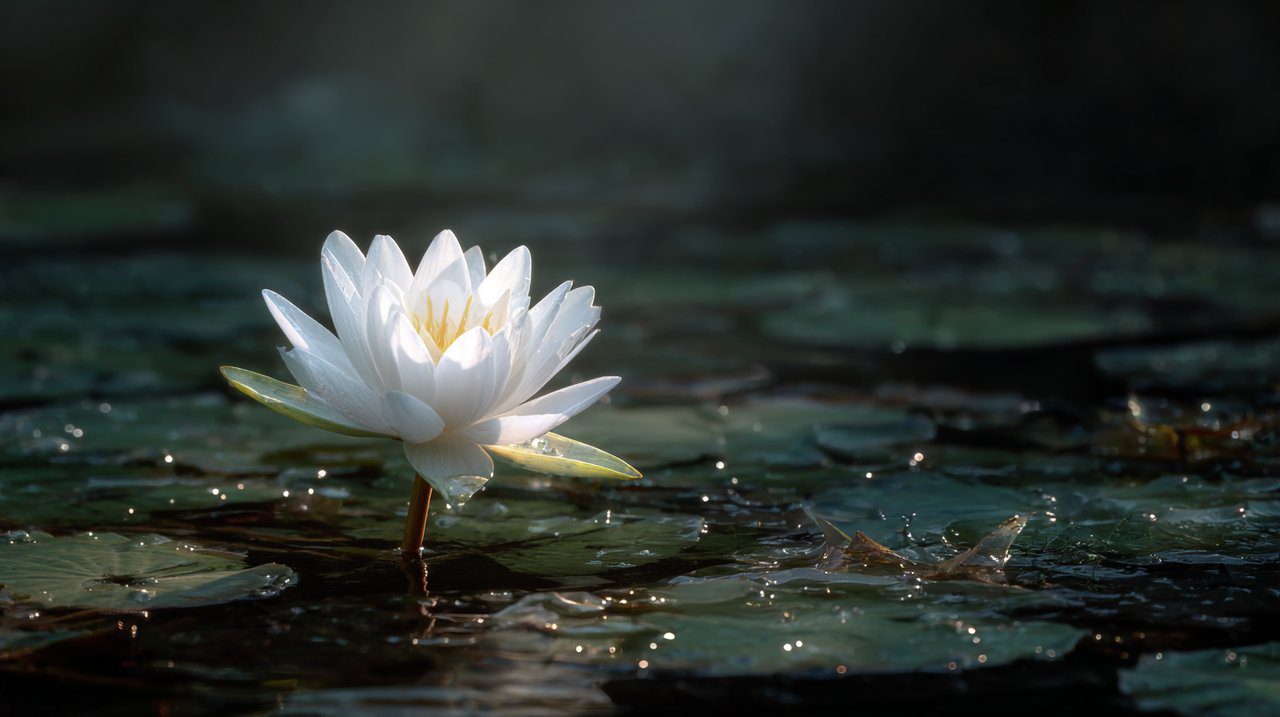
In a spiritual context, the mud represents the inevitable friction of human existence—suffering, anxiety, and the relentless noise of the digital age. The ascent of the lotus suggests that these challenges are the raw materials for growth. The unblemished bloom represents the buddha enlightenment, a state of being where the mind remains clear while fully engaged with the world’s complexities.
The Architecture of the Awakened Mind
The lotus provides a structured framework for understanding the nuances of spiritual progress. Each stage of its development reflects a specific shift in consciousness, moving from potentiality to the actualization of inner peace. This progression is central to many meditation practices that use the flower as a focal point for visualization.
The Bud and the Promise of Potential
A closed lotus bud signifies the latent capacity for wisdom within every individual. Even when submerged and invisible, the potential for the bloom is present. In zen Buddhism, this is often linked to the idea that every being already possesses a fundamental nature of clarity, which simply awaits the right conditions to be revealed.
“As the lotus rises from the water, so does the mind rise from the confusion of the senses to the clarity of the Absolute.”
The Spectrum of Realization
The specific colors of the lotus in Buddhist iconography serve as a visual language for different psychological and spiritual virtues. These hues help practitioners categorize and focus on specific aspects of their character development:
- White Lotus: Represents the state of mental purity and the ultimate goal of spiritual perfection.
- Pink Lotus: Traditionally reserved for the highest deities, symbolizing the historical Buddha and the lineage of teachers.
- Red Lotus: Associated with the heart, signifying compassion, empathy, and the raw energy of love.
- Blue Lotus: Often depicted as partially open, it represents the victory of the spirit over the senses and the pursuit of intelligence.
- Purple Lotus: Viewed as the most mystical, it often references the sectarian variations of the Noble Eightfold Path.
Daily Practice: Integrating the Lotus Perspective
Living the “lotus path” requires a shift in how we perceive daily obstacles. Instead of viewing stress or conflict as barriers, we can choose to see them as the silt that fuels our upward reach. This perspective transforms the mundane into a ritual of self-purification, much like the repetitive use of mala beads during contemplative prayer.
Understanding the essence of this transformation requires a deeper look at the very nature of what it means to be an awakened being. What Does Buddha Mean?|Exploring the Essence of Enlightenment and Compassion
Visualization for Modern Stability
A practical method for applying this symbolism is through a simple visualization exercise. During moments of high stress, imagine your spine as the slender stem of the lotus, rooted in the earth but reaching toward the open sky. Visualize the breath as the energy flowing through the stem, keeping you flexible yet anchored amidst the turbulent waters of external events.
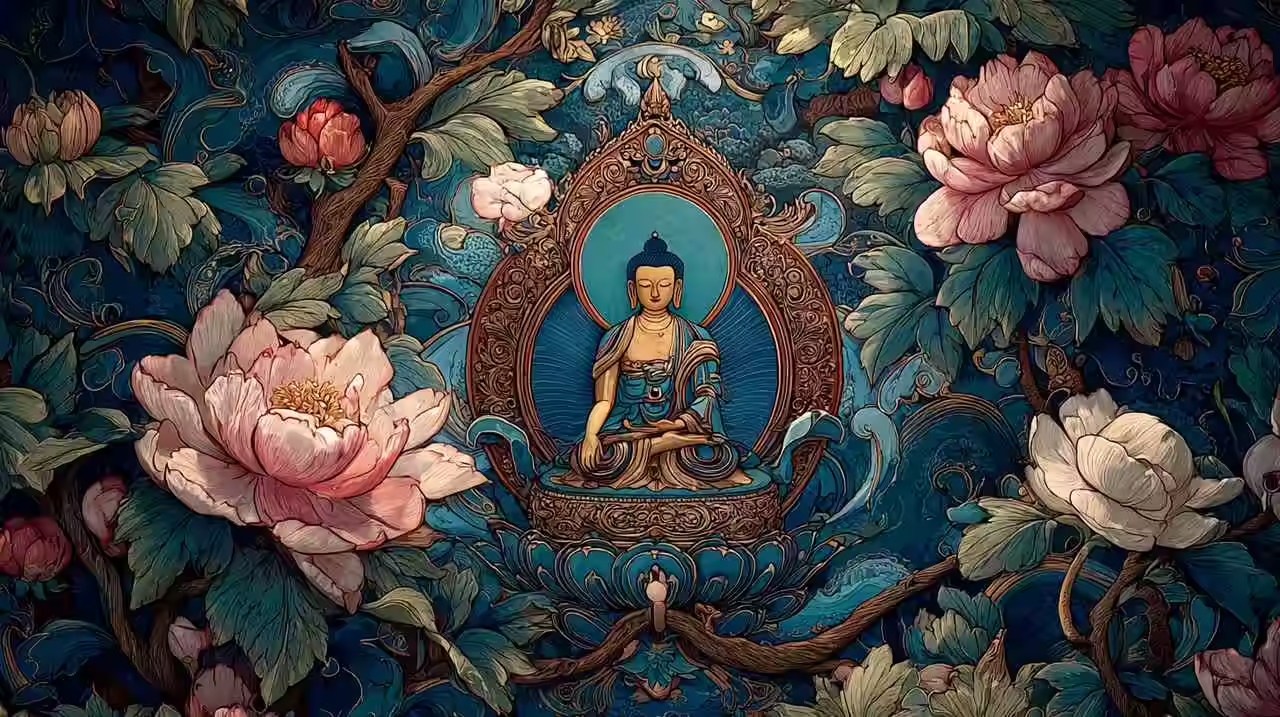
This internal alignment is often mirrored in the sacred gestures found in Buddhist iconography, where the position of the hands serves as a physical anchor for the restless mind.
The Continuous Bloom
The lotus concludes its daily cycle by receding into the water at night, only to re-emerge at dawn. This serves as a reminder of the nirvana concept—not as a distant destination, but as a recurring opportunity for renewal. It suggests that the work of the spirit is never static; it is a constant, rhythmic process of opening and returning to center.
By adopting the mindset of the lotus, we find the strength to remain present in a chaotic world without being overwhelmed by it. The goal is not to escape the mud, but to rise through it, translating the grit of experience into the grace of a life lived with intention and clarity.