Buddhist Animal Archetypes

Buddhist traditions often feature animals and mythical beings, serving as more than just figures in ancient lore. They are powerful allegories, concretizing core doctrines, virtues, and the path to awakening. These beings are not mere narrative elements; they embody deep truths, guiding practitioners toward liberation and enlightenment.
The Cosmic Menagerie: Animals in Buddhist Cosmology
Cycles of Samsara: Animals as Mirrors of Karma
In Buddhist cosmology, all sentient beings are interconnected, caught in the cycle of rebirth known as samsara. Animal realms are not arbitrary; they represent various states of existence, often serving as a clear reflection of the consequences of past actions, or karma.
These forms act as powerful reminders of life’s impermanence and the deep impact our choices have. For instance, an animal rebirth might stem from past ignorance or aggression. A dog, for example, might embody unwavering loyalty, yet its existence within samsara also reflects a particular karmic imprint, guiding us to understand the intricate cause-and-effect relationships that shape all lives. It’s a vivid lesson in cosmic justice.
Interconnectedness: A Shared Path to Awakening
Buddhism emphasizes the fundamental unity of all life, highlighting that every being—from the smallest insect to the largest creature—possesses the inherent potential for awakening. Animals aren’t separate entities; they are vital threads in the same intricate fabric of existence.
This perspective cultivates boundless compassion and underscores the idea that Buddha-nature resides within every sentient form. In animals, Buddha-nature manifests as their innate capacity for compassion, self-preservation, and even moments of profound stillness, reflecting the universal seed of enlightenment. Their presence in the teachings beautifully illustrates a universal journey towards enlightenment, shared across all species.
Guardians, Teachers, and Guides: Sacred Symbolism
Beyond their role in samsara, many creatures serve as powerful symbols, embodying specific virtues and aspects of the spiritual journey. Let’s explore some of the most significant:
The Elephant: Strength, Wisdom, and Mental Discipline
The elephant, with its immense physical power yet gentle demeanor, symbolizes profound strength and steadfastness. Initially, it represents the untamed mind—powerful but undirected, prone to wandering.
Through careful discipline, much like the rigorous training of a wild elephant, the mind transforms into a powerful vehicle for spiritual progress. It teaches us the mental fortitude needed for deep meditation and the unwavering pursuit of wisdom. The elephant’s patient, deliberate steps mirror the steadfast focus required to navigate the spiritual path. To explore how this symbolism extends into personal adornment, you might find insight in our guide to .
The Lion: Royal Power and the Buddha’s Roar
Universally, the lion signifies royalty, fearlessness, and noble power. In Buddhism, the Buddha himself is revered as the ‘Lion of the Shakyas’, a title that speaks volumes about his supreme spiritual authority.
His teachings are often compared to a "lion’s roar"—a sound that effortlessly dispels all ignorance and falsehood with an unshakeable truth, silencing all opposing views. The lion embodies the triumph of Dharma over delusion and the unwavering courage required to walk the path to enlightenment with absolute conviction.
The Naga: Protectors of Dharma and Hidden Wisdom
Nagas are powerful, serpent-like beings, often linked to water, hidden treasures, and the earth itself. They are deeply respected as Dharma protectors and guardians of sacred Buddhist texts and ancient wisdom.
One famous story tells of a Naga king who sheltered the Buddha from a fierce storm during his meditation, forming a protective canopy. They symbolize the deep, often unseen forces that vigilantly protect spiritual truths, reminding us that wisdom can be found in unexpected, sometimes subterranean, places. These guardians often feature in traditional art, much like the ancient wisdom embedded in dzi beads.
The Garuda: Freedom from Attachment and Samsara
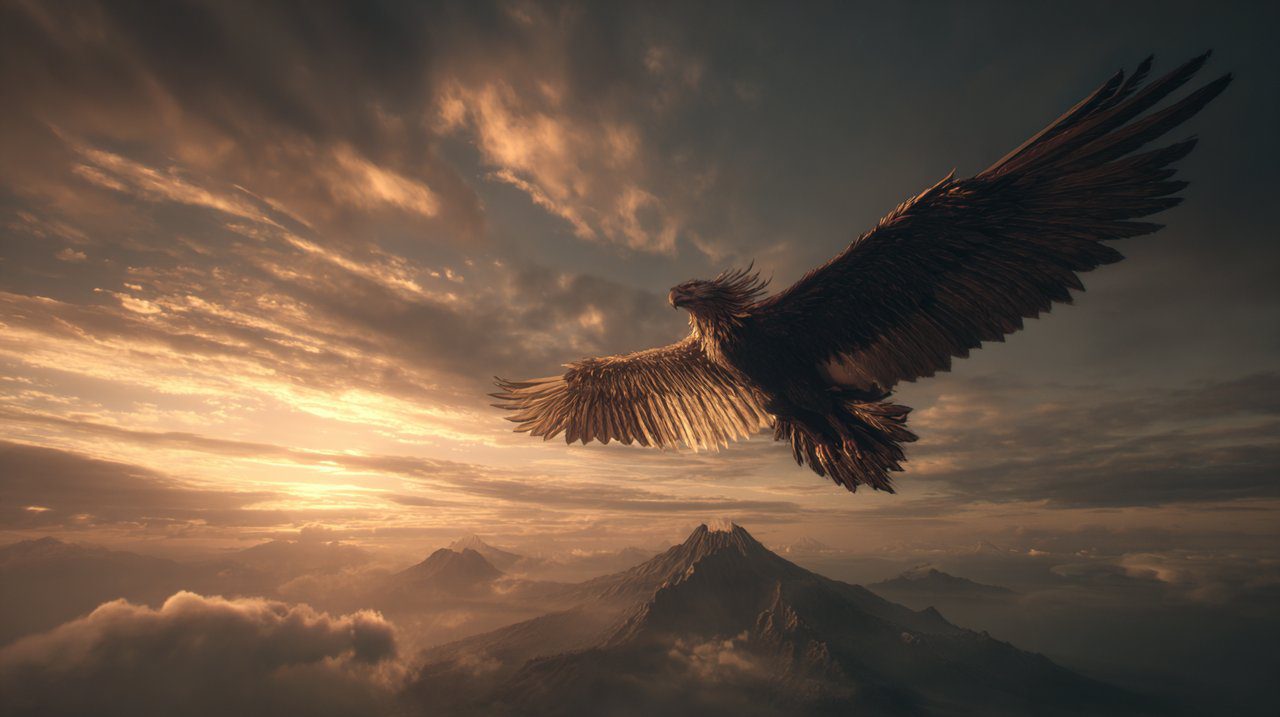
The Garuda is a magnificent, mythical bird, often depicted as the sworn rival of the Nagas. It possesses immense power and the remarkable ability to soar effortlessly above all obstacles, its wings beating with cosmic force.
This creature beautifully symbolizes freedom from attachment and the ultimate liberation from the cycle of samsara. The Garuda’s victory over the Nagas represents the triumph of wisdom over the "three poisons" of greed, hatred, and ignorance that bind us, lifting us towards spiritual heights.
Other Key Creatures: Birds, Monkeys, Deer
- Birds: These agile creatures represent spiritual aspiration, the ability to transcend earthly concerns, and the freedom of the awakened mind.
- Monkeys: Often symbolizing the restless, ‘monkey mind’, they highlight the ongoing challenge of mental discipline and focus. To calm this incessant mental chatter, one might practice mindful breathing, gently returning attention to the breath each time the mind wanders, much like patiently guiding a mischievous monkey.
- Deer: Embodying gentleness, purity, and peace, deer are famously associated with the Deer Park, where the Buddha delivered his very first sermon, marking the initial turning of the Wheel of Dharma.
- Pixiu: While more prominent in Chinese folklore, this mythical creature, often depicted with a fierce yet protective demeanor, shares a thematic resonance with Buddhist guardians, symbolizing protection and the warding off of negative energies.
Echoes of Enlightenment: Stories That Shape Understanding
These creatures aren’t just static symbols; they come alive in powerful narratives that have shaped Buddhist understanding for centuries.
Jataka Tales: Lessons from the Buddha’s Past Lives
Jataka tales are a collection of captivating narratives recounting the Buddha’s previous incarnations, often as animals. These are far more than simple fables; they are profound teachings.
They vividly illustrate core Buddhist virtues such as compassion, generosity, and self-sacrifice, demonstrating the gradual evolution of a Bodhisattva’s character through countless lifetimes. Think of the tale of the compassionate hare who sacrificed himself for a hungry ascetic—a powerful lesson in selfless giving that transcends species.
Mythological Narratives: Cosmic Battles and Spiritual Journeys
Beyond the Jataka tales, Buddhist mythology is rich with narratives involving divine beings, demons, and other mythical creatures. These stories often depict cosmic struggles that profoundly mirror our own internal spiritual conflicts.
Such narratives illustrate the triumph of wisdom over delusion and the arduous, yet ultimately rewarding, journey towards enlightenment. They personify abstract spiritual challenges, making them incredibly relatable and impactful for practitioners seeking their own path.
Beyond the Physical: Integrating Symbolism into Practice
How do these ancient symbols translate into daily practice and spiritual growth?
Art, Ritual, and Meditation: Living Symbols
Buddhist animal and mythical creature symbolism extends far beyond stories, manifesting in tangible forms. You’ll find them prominently featured in temple architecture, intricate thangka paintings, and sacred ritual objects. These visual representations serve as powerful tools for contemplation and meditation practices.
They gently remind practitioners of specific virtues to cultivate or challenges to overcome, guiding their inner reflection and deepening their spiritual journey. Engaging with these symbols can also involve using tools like mala beads, which are central to many meditation rituals. For more on how to incorporate such elements into your spiritual routine, consider exploring Tibetan Beads Meaning, Benefits, and How to Incorporate Them into Your Life.

Personal Reflection: Finding Your Sacred Animal Guide
Understanding these ancient symbols encourages a deeper, more personal engagement with Buddhist teachings. Taking time to reflect on which creatures resonate most with you can offer unique insights into your own spiritual path.
These symbols can powerfully guide your personal spiritual inquiry, inspiring you to cultivate qualities like the elephant’s steadfastness or the lion’s courage in your daily life. They become personal anchors, offering comfort and direction in your quest for awakening. When you feel lost or overwhelmed, which animal’s intrinsic qualities do you find yourself drawn to for strength or clarity?
From the smallest insect to the grandest mythical beast, animals and creatures in Buddhism are far more than decorative elements. They are profound teachers, living allegories of the Dharma, and trusted guides on the path to awakening. By attuning ourselves to their wisdom, we can deepen our understanding of Buddhist truths and illuminate our own spiritual journey. Just as healing crystals are believed to support well-being, these animal archetypes offer spiritual resonance.
As you navigate your own spiritual landscape, consider which of these ancient symbols speaks most profoundly to you. Their silent wisdom, woven into the very fabric of Buddhist thought, offers powerful pathways to self-discovery and enlightenment.
Further exploration into Buddhist art, Jataka literature, or contemplative practices can reveal even deeper layers of these sacred connections. What animal wisdom will illuminate your path forward?