Buddhist Flow: Finding Stillness

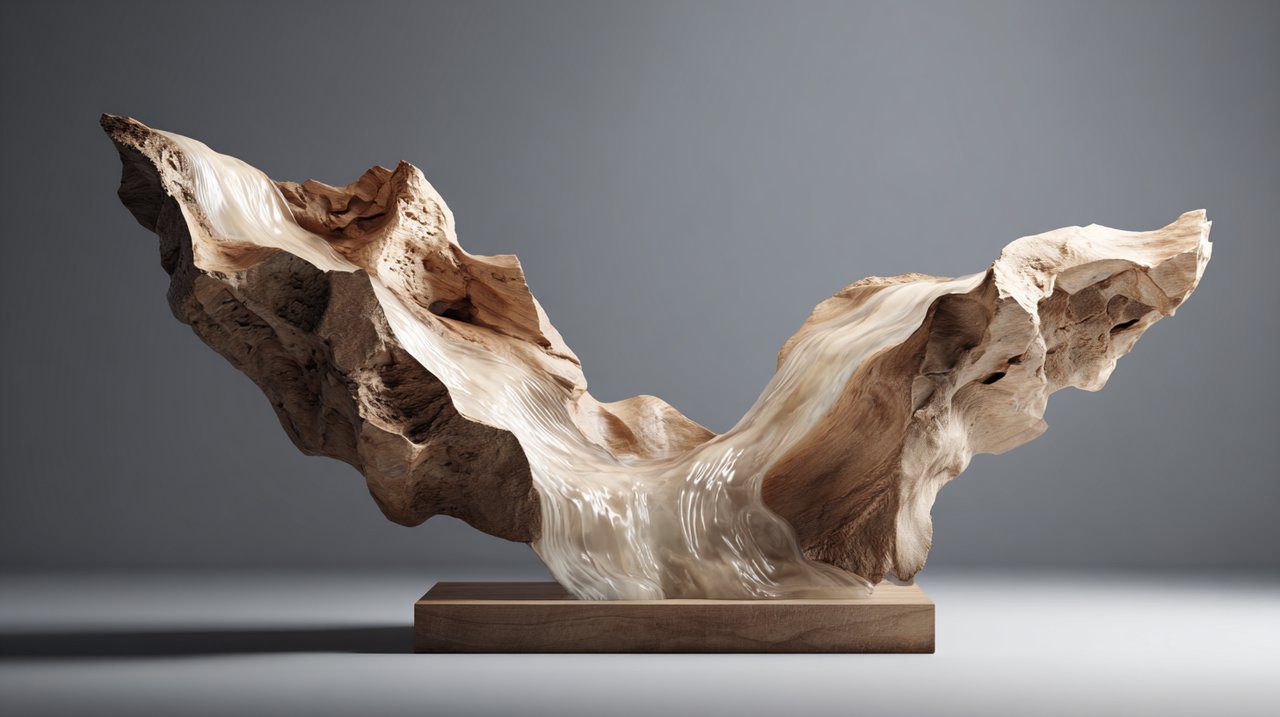
When I sit by the bank of a mountain stream, I see more than just moving water. I see a rhythm that mirrors our own lives—a quiet movement that carries debris, sunlight, and shadow without ever pausing to hold onto them. The water is new every second, yet the stream remains a recognizable presence, much like the way we persist through time while every cell and thought within us shifts.
The Rhythm of Perpetual Change
To understand the path toward peace, I often look at the falling leaves. They do not struggle against the wind; they simply follow the path of impermanence buddhism, or Anicca. In the Samyutta Nikaya, it is taught that all conditioned things are in flux, a truth that applies to the mountains as much as to our most stubborn opinions.
We often feel a sense of dukkha or dissatisfaction when we try to build a dam against this change. Just as a career shift or a change in a relationship can feel like a turbulent rapid, the pain comes from the grip, not the water itself. When we stop trying to freeze the moment, we find that the current actually carries us toward a more natural state of being.
Continuity within the Life-Stream
The rebirth process (Punabbhava) is rarely a sudden leap, but rather the river finding a new bed. Buddhism describes this flow without a permanent soul, a concept known as Anatta. While the Theravada tradition often focuses on the precise analysis of these shifting moments, the Mahayana perspective might see the stream as an expression of a vast, underlying consciousness.
The Milinda Panha compares this transition to a flame passing from one candle to another. The new light is not the same as the old, yet it exists because the first provided the conditions for it to burn. In this way, our internal momentum moves forward, shaped by the banks it has touched, even after the physical body has returned to the earth. Understanding this flow can turn the fear of an ending into a quiet observation of a new beginning.
The Whirlpools of Cyclic Existence
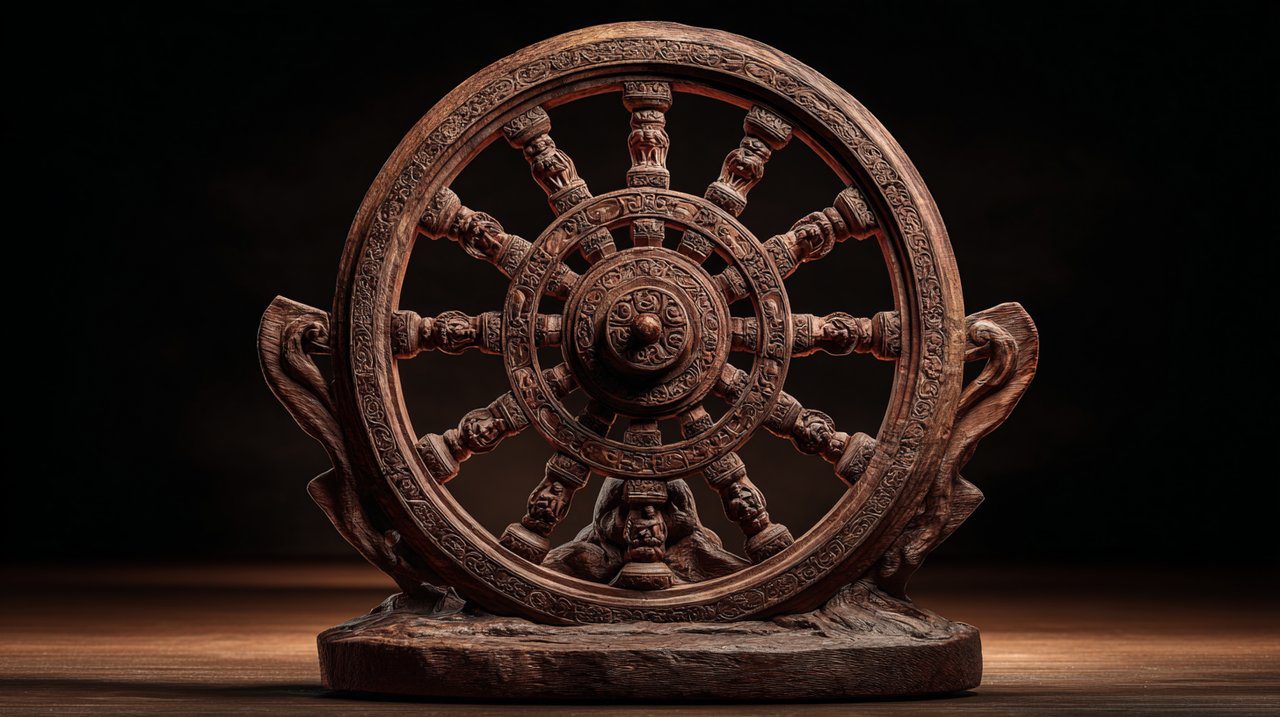
Sometimes the river becomes trapped in a circular motion, a whirlpool we call samsara. This cycle of existence is not a place on a map, but a habit of the heart. It is the repetitive circling we do when we are bound by attachment to things that cannot last. Three forces keep this water churning:
- Craving (Tanha): The thirst for the water to be warmer or colder than it is.
- Ignorance (Avidya): Forgetting that the river and the bank are essentially one movement.
- Becoming (Bhava): The persistent effort to shape ourselves into a fixed identity.
Breaking these circles requires us to look at the water with fresh eyes, seeing the patterns for what they are. This shift in perspective is the beginning of living in accordance with the dhamma, the natural law that governs the flow of all things.
Ripples and the Weight of Intent
Every stone we throw into the water creates a ripple, and the law of karma is simply the study of those ripples. It is not a system of punishment, but a law of moral causation rooted in volition. The intentions we carry are like the sediment in the river; they determine whether the water downstream will be clear or clouded.
It is volition, O monks, that I call karma; having willed, one acts through body, speech, and mind. — Anguttara Nikaya 6.63
In our daily lives, choosing a moment of patience over a sharp word is like clearing a small patch of the stream. These small choices alter the internal current, ensuring that our future experiences are met with a calmer heart. We become the architects of our own peace by watching the seeds we plant in the mud today.
The Silence where the River Meets the Sea
A state of nirvana is often misunderstood as a place of nothingness, but to me, it feels like the river finally reaching the ocean. It is the “unbinding” of the knots we have tied in ourselves. When the fires of greed and delusion are no longer fed, the mind attains a stillness that no storm can disturb.
Reaching this vastness involves walking the eightfold path, a way of living that balances our steps with wisdom and ethics. By practicing mindfulness, we learn to stay present with the flow without being swept away by it, eventually finding the anchor that exists even in the middle of the current.
Watching the Water
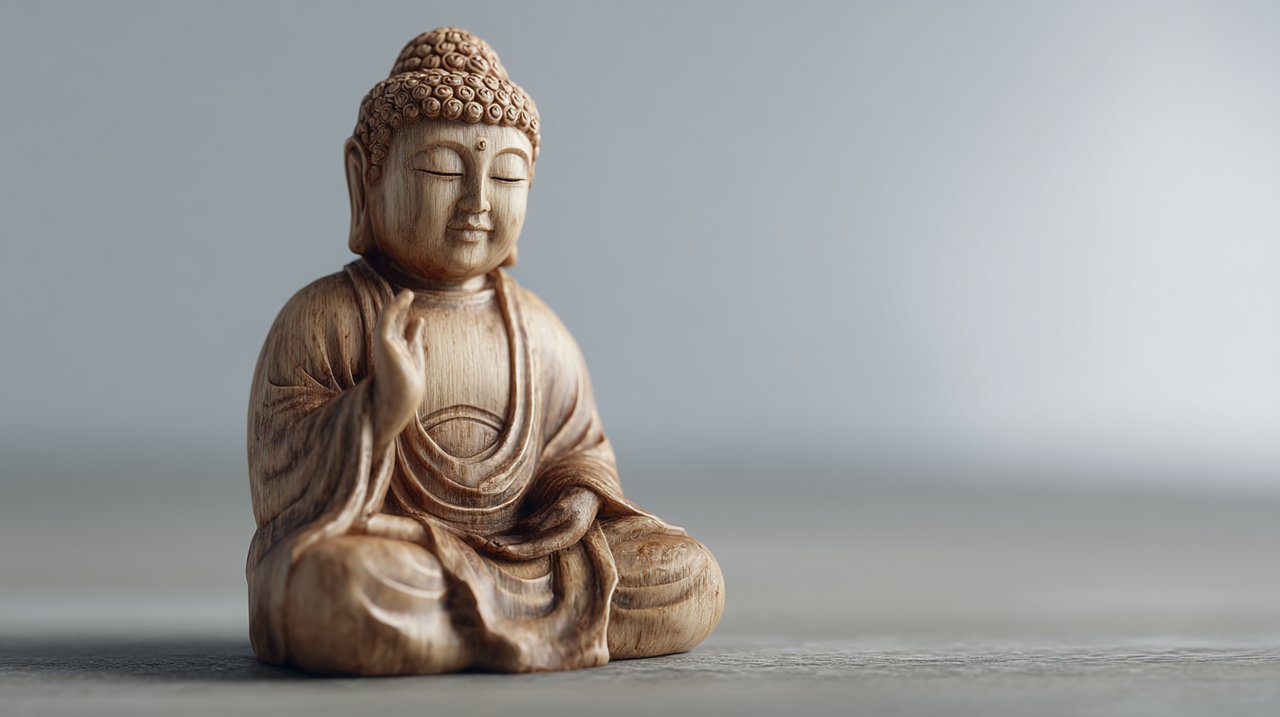
The journey is not about reaching a distant shore, but about how we move within the stream right now. By sitting quietly with our thoughts, we might find that the stillness we seek has been beneath the ripples all along. I often wonder which parts of our lives we are currently fighting against, and what might happen if we simply let the river take them.
Every intentional breath is a step toward that great silence. As you watch the world change around you, remember that the path is found in the quality of your movement, not the speed of your arrival. There is no need to hurry when you realize you are already part of the flow.