Seven Yoga Instruments: Cultivating Stillness Through Intentional Practice

Establishing a Sanctuary for Internal Observation
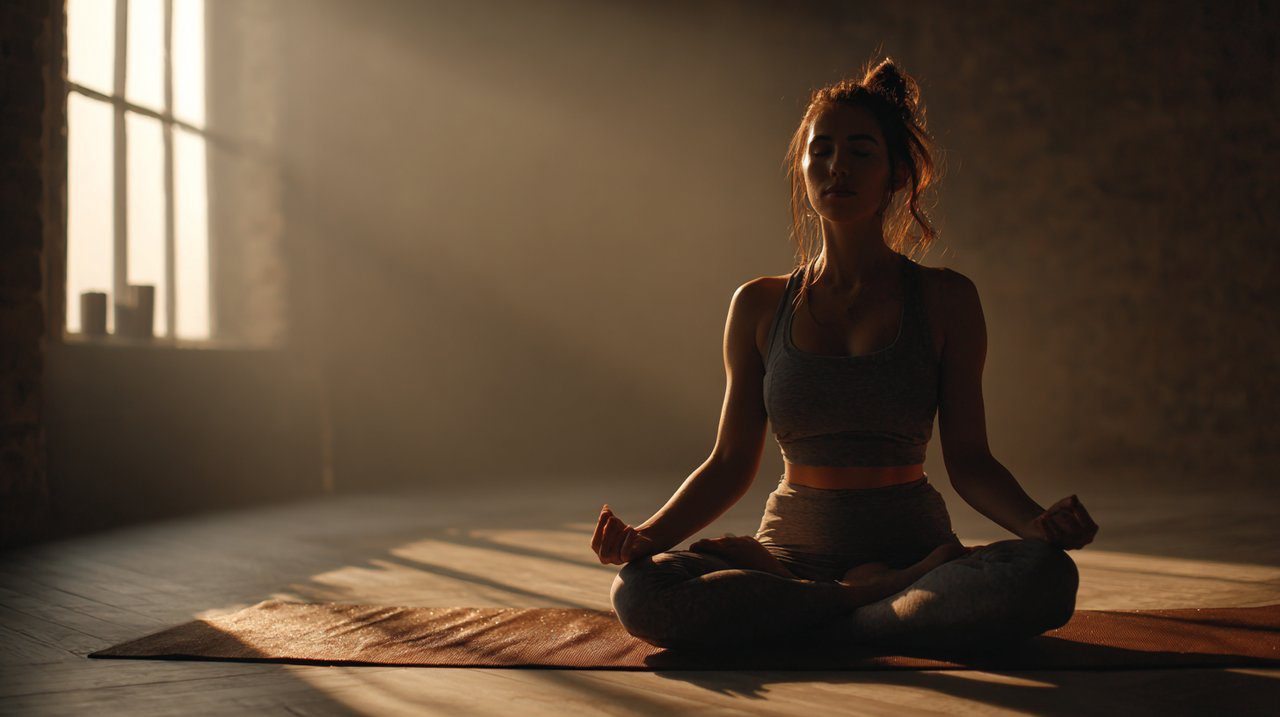
Stepping onto the mat involves more than physical preparation; it is the initiation of a ritual. In a home yoga practice, equipment often appears as mere consumer commodities—mass-produced foam and synthetic fibers. However, through the lens of Tibetan wisdom, these objects function as sacred instruments that stabilize the mind and body during the transition from worldly chaos to inner stillness.
The distinction between a casual practitioner and a dedicated seeker often lies in the intention behind their tools. Each item in your kit serves as a material manifestation of your commitment to self-observation. By selecting these essentials with clarity, you create a dedicated sanctuary where the fluctuations of thought can finally settle.
Before examining these individual instruments, it is helpful to view them within the context of a holistic spiritual environment. This guide is part of our curated series on ritual and practice support. To better understand the relationship between physical tools and spiritual intent, we recommend exploring our foundational collection of .
The Philosophy of Upaya: Skillful Means in Practice
In the Tibetan tradition, “Upaya” refers to skillful means—tools or methods used to facilitate spiritual progress. Your yoga gear is not a collection of crutches, but rather Upaya designed to balance the “rLung” (internal winds or Prana). These instruments help clear the mental fog that frequently obstructs a path toward yoga for stress relief and deep contemplation.
The Yoga Mat: A Personal Mandala
A yoga mat is the boundary between the mundane world and the sacred space of practice. In Tibetan cosmology, a mandala is a map of the enlightened mind; similarly, your mat acts as a temporary mandala where movement purifies thought. It provides non-slip stability, but its primary function is to ground your energetic alignment in a chaotic environment.
“As a practitioner cleanses a temple to honor the teachings, a high-quality mat honors the physical vessel, allowing the internal landscape to become as clear as a mountain lake.”
When selecting a mat, consider the resonance of the materials. Natural rubber fosters an organic connection to the earth’s frequency, while eco-friendly TPE provides a clean surface free of synthetic toxins. This choice reflects a commitment to purity, ensuring your external environment mirrors your internal discipline.
Yoga Blocks: Geometric Stability and Equanimity
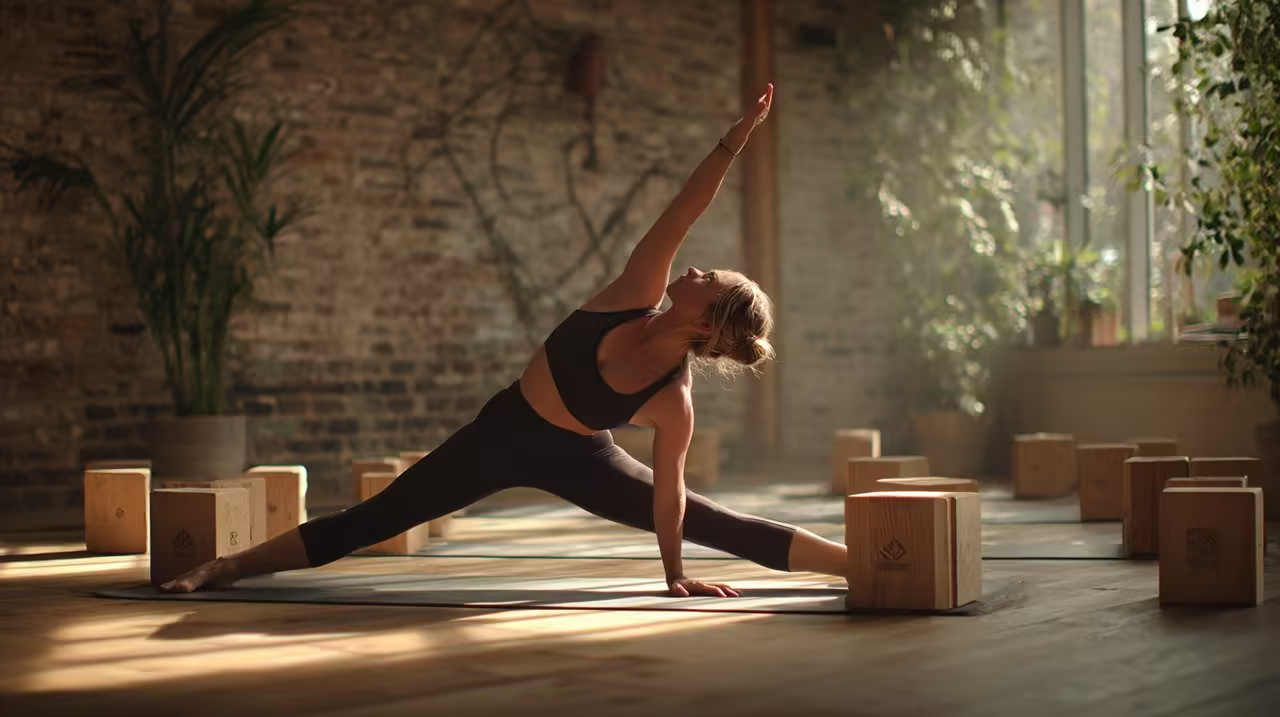
Yoga blocks serve as stabilizers, mirroring the stone foundations of Himalayan chortens (stupas). They effectively bring the earth closer to your hands, allowing for geometric precision without physical strain. This support fosters equanimity—the ability to maintain a balanced mind even when the physical body encounters resistance.
- Cork Blocks: Provide a firm, grounding weight and a natural, tactile connection.
- Foam Blocks: Offer a lightweight, softer alternative for gentler support.
- Wooden Blocks: Deliver the highest level of stability and a traditional aesthetic.
Using a block is an act of intellectual honesty. It acknowledges current physical boundaries while ensuring the energy of a pose flows through an aligned spine rather than a collapsed posture.
The Yoga Strap: Extensions of Compassionate Progress
A strap serves as a bridge for the physical reach, reflecting the Buddhist concept of steady, compassionate progress. It allows for a gradual opening of the heart and shoulders without the ego forcing the body into injury. Instead of aggressive stretching, the strap facilitates a patient expansion of perceived limits.
This instrument is essential for maintaining integrity in seated forward folds or complex shoulder openers. It prevents the practitioner from sacrificing alignment for depth, encouraging a meditative exploration of the body’s current reach. By utilizing a strap, you practice the art of unfolding, a vital skill for any spiritual seeker.
The Yoga Blanket: A Protective Shroud for Presence
In the context of restorative yoga, a blanket is more than a source of warmth. It provides structural cushioning for the joints and can be used to tilt the pelvis, ensuring the spine remains a vertical conduit for energy. It acts as a protective layer, shielding your internal state from the disturbances of the external atmosphere.
During the final rest, the weight of a blanket signals a transition to conscious surrender. It creates a micro-environment of safety, allowing the nervous system to shift from vigilance to a state of profound restoration, reminiscent of the quietude found in high-altitude retreats.
The Yoga Bolster: Surrendering Attachments
The bolster is a firm companion designed to facilitate passive release. Its presence encourages the body to yield its weight entirely, mirroring the spiritual act of letting go of worldly attachments. This tool is particularly effective for opening the chest and solar plexus, where tension and stagnant energy often reside.
For those new to the practice, the bolster transforms challenging postures into moments of supported opening. By taking on the body’s weight, it allows the breath to become the primary focus of the meditation. Ensure your choice of bolster offers the density required to support your form without collapsing over time.

The Zafu Cushion: The Lotus Throne of Stillness
The Zafu, or meditation cushion, provides the foundation for mindfulness meditation. It elevates the hips to allow the knees to drop, creating a tripod-like base that supports the natural curvature of the spine. This posture is often called the “Lotus Throne,” symbolizing a mind that rises above the distractions of daily life.
Physical stability is a prerequisite for mental clarity. A Zafu prevents the discomfort that often terminates a session prematurely, allowing the practitioner to remain in stillness. It is not merely a seat; it is a dedicated platform for the expansion of consciousness.
The Eye Pillow: Sensory Withdrawal and Inner Light
The eye pillow facilitates “Pratyahara,” the yogic practice of withdrawing the senses to focus on the internal light. The subtle pressure of the pillow calms the optic nerve and signals the brain to enter a state of deep tranquility. It creates a private sanctuary of darkness, essential for internalizing the focus.
By removing visual input, the eye pillow quietens the constant chatter of the external world. Whether used during rest or at the conclusion of a session, it serves as a powerful instrument for anchoring presence in the current moment, far from the digital noise of the modern era.
Structuring a Life of Intentional Practice
These seven instruments are more than basic supplies; they form the physical framework for a lifelong journey of self-discovery. Each item, from the grounding mat to the sensory-quieting eye pillow, works in harmony to support physical safety and spiritual evolution. By selecting these tools with intention, you are not simply acquiring gear—you are building a connection to ancient Himalayan wisdom and the inherent peace within yourself.