Chinese Protection Symbols: Cognitive Anchors

Traditional Chinese protective symbols — a red string, a mythical creature, a particular flower — are often dismissed as superstition. Looked at differently, many of them function as cognitive anchors: physical objects that, through cultural meaning and repeated exposure, shift what a person notices and how they respond to it. That’s not a supernatural claim. It works closer to how a wedding ring or a “do not disturb” sign works — an object doing psychological work through what it represents, not through any property of the object itself.
The Psychology Behind Traditional Protection Symbols
It’s easy to dismiss protective symbols as mere superstition. It’s also easy to overcorrect and treat them as having literal supernatural power. Both miss what’s actually happening: these objects work through environmental psychology and consistent personal association, not magic.
Once a person assigns clear meaning to an object — safety, prosperity, calm — its presence in daily life functions as a steady, low-effort reminder of that intention. The mechanism is the symbol’s consistency, not anything mystical about red string or carved jade.
Symbols as Visual Cues for Intent
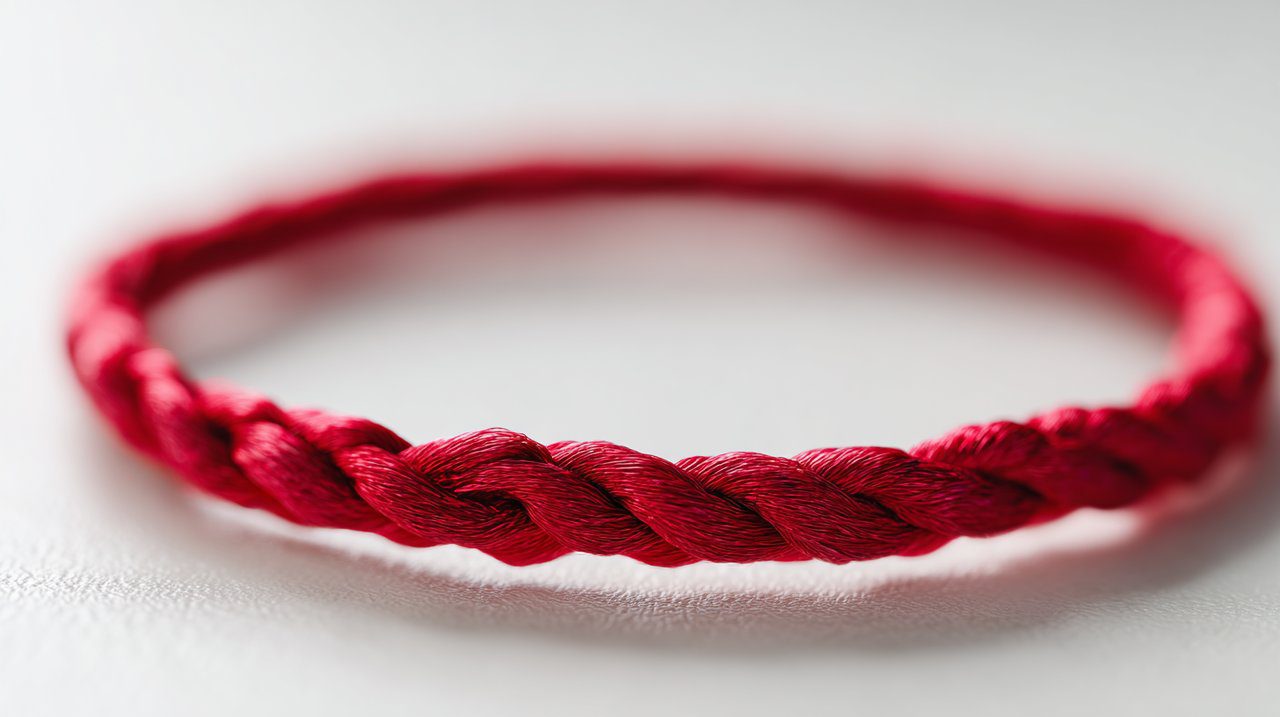
The vivid red of a red string protection bracelet is a useful example. In Chinese culture, red is tied to good fortune, vitality, and protection against negative influence. Wearing one becomes a small, recurring visual cue — every glance at the wrist is a quick prompt back toward the intention behind it, rather than a passive decoration.
Cultural Narratives and Collective Belief
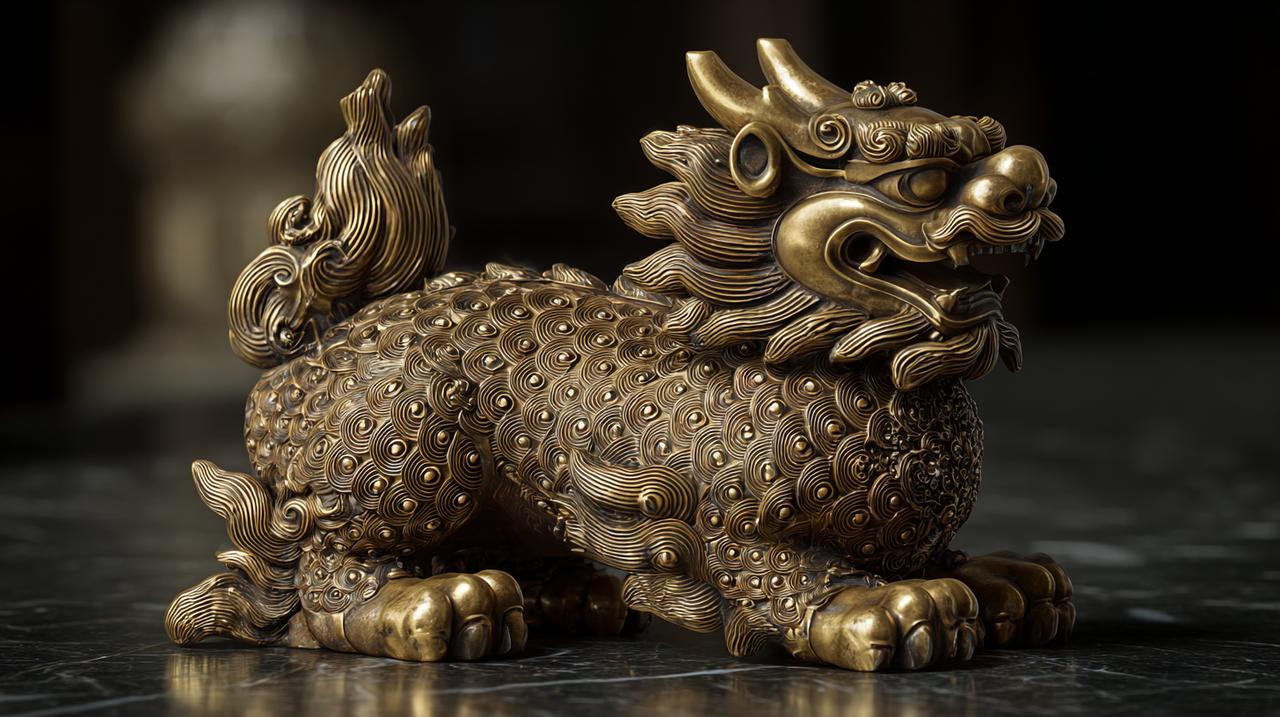
Much of a symbol’s effect comes from shared cultural narrative rather than the object alone. The Pixiu is a clear case: passed down through generations along with a specific legend — that it devours wealth and never expels it — the figure carries meaning before anyone even displays it on a desk.
That shared story is what shapes individual expectation. A Pixiu placed in a home or office isn’t simply decorative; the legend attached to it does the work of encouraging a mindset around saving and protecting resources rather than spending impulsively.
Symbols That Guard Well-Being
Chinese culture holds a wide range of protective symbols, each tied to a specific outcome people want to encourage in their own lives — safety, wealth, health, or calm.
Mythical Creatures and What They Project
Mythical creatures carry some of the clearest symbolism. The Dragon represents power, nobility, and good fortune, and has long been tied to imperial authority specifically — historically, the five-clawed dragon was reserved for the emperor alone, which is part of why the symbol still carries an association with high status and ambition.
The Pixiu is one of the most recognized Chinese wealth-protection symbols, built around its legend of consuming treasure without releasing it. Traditional placement matters here: a Pixiu figure is conventionally positioned with its head facing a door or window — pointed outward, toward where wealth is believed to enter — rather than facing directly at the people in the room.
Everyday Objects as Protective Symbols
Some of the most common protective symbols started as ordinary household objects. Old coins, especially antique ones tied together with red string, are associated with financial stability and have long been used as simple protective charms.
Gourds, known as Hulu, are another example. They’re traditionally linked to longevity and health in Chinese culture, partly because of their natural shape and partly through their association with traditional medicine — herbalists historically carried medicine in gourd-shaped containers, and the immortal Li Tieguai is depicted carrying one in Daoist iconography.
These objects work as tangible stand-ins for goals that would otherwise stay abstract — a coin you can hold is a more concrete reminder of “financial stability” than the phrase itself.
Symbols for Inner Calm and Balance
Beyond protection, a number of Chinese symbols are oriented toward calm and balance rather than warding anything off. They work as quieter visual cues, supporting a settled state rather than guarding against a specific risk.
Nature-Inspired Symbols of Calm and Growth
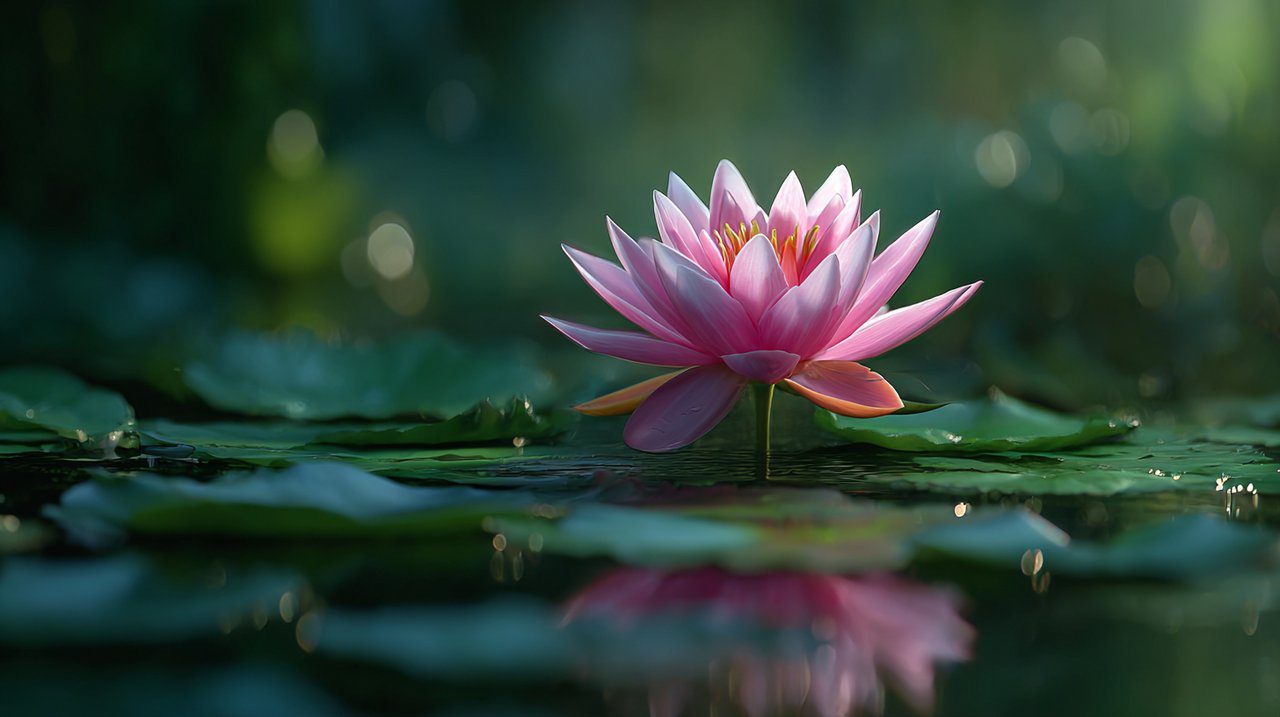
Nature provides several of these. The lotus flower, which grows up through muddy water to bloom clean above the surface, has long represented purity, enlightenment, and spiritual growth in Chinese and broader Buddhist symbolism.
The Koi fish carries a similar idea through a different story: a folk legend describes a carp swimming upstream against strong currents until it transforms into a dragon. The symbol has come to represent perseverance and effort that eventually pays off, rather than luck on its own.
The Yin-Yang Symbol and Balance
The Yin-Yang symbol, central to Taoist philosophy, represents two opposing forces that are interdependent rather than purely opposed — light contains the seed of dark, and the reverse, within the same circle. It isn’t a protective charm in the same sense as the others on this list.
Instead, it functions as a reference point for a specific way of thinking: that balance comes from holding opposing forces together rather than eliminating one of them. Used as a personal symbol, it tends to support a steadier perspective during stressful periods rather than offering protection from a specific threat.
Symbols Associated With Feminine Archetypes
A number of Chinese symbols are tied specifically to qualities historically associated with women — nurturing, resilience, wisdom, and fertility. These carry the same cognitive-anchor function as the protective symbols above, just oriented toward a different set of qualities.
Archetypes of Resilience and Nurturing
The Phoenix, or Fenghuang, is one of the clearest examples, though its traditional meaning is worth being precise about: unlike the Western phoenix, the Fenghuang isn’t primarily a “rising from the ashes” figure. In Chinese tradition it represents virtue, grace, and harmony, and is paired with the Dragon to represent the union of yin and yang — the Dragon as emperor, the Fenghuang as empress.
The Peony represents beauty, prosperity, and feminine grace, and has historically been associated with the imperial court, where it was sometimes called the “king of flowers.”
Symbols of Fertility, Wisdom, and Prosperity
Other symbols are tied more specifically to particular life stages or aspirations. Pomegranates, with their dense cluster of seeds, are a traditional symbol of fertility and family prosperity, often given as wedding gifts for this reason.
Guanyin, the Goddess of Mercy, represents compassion and wisdom, and is one of the most widely recognized figures in Chinese Buddhist tradition specifically associated with benevolence and inner strength.
Applying These Symbols in Daily Life
Understanding the psychology behind these symbols changes how you might use them. They aren’t tools with guaranteed effects — they’re a way of deliberately shaping your environment to support a specific intention.
Setting Up Your Space
Placement matters more than most people assume. A Pixiu kept on a desk works best as a deliberate, repeated visual cue tied to a financial goal — not as a passive good-luck object expected to work on its own.
A lotus image in a reading nook or meditation corner works the same way for calm rather than ambition. The specific choice matters less than whether the symbol’s meaning actually matches what you’re trying to reinforce in that space.
Wearable Symbols
Wearing a protective bracelet or amulet is a more portable version of the same idea — you carry the reminder with you rather than leaving it in one place. A red string bracelet works this way throughout the day, similar in function (though different in origin and meaning) to traditions like the evil eye bracelet found in Mediterranean and Middle Eastern cultures.
Why Active Engagement Matters
The most important point is that these symbols don’t do anything passively. Mala beads, for example, are primarily a counting tool for meditation practice — their function depends on whether someone actually uses them with intention, not on simply owning a set.
The same logic applies to gemstone symbolism more broadly: understanding what a stone is traditionally associated with only matters if that understanding is actually applied as a reminder, rather than treated as a property the object has on its own.
Understood this way, these symbols aren’t shortcuts to a desired outcome. They’re a deliberate, low-cost way to keep a specific intention in front of you — in your space or on your wrist — often enough that it actually shapes behavior over time.
Frequently Asked Questions
What is the underlying principle behind Chinese protection symbols?+
Chinese protection symbols are not considered magic or mere superstition. Instead, they function as sophisticated cognitive anchors that utilize psychology, cultural narratives, and personal intention to subtly guide mental states and behaviors, promoting well-being.
How do these symbols psychologically influence individuals?+
They act as visual cues and constant reminders of personal intentions, helping to shift one's focus towards optimism and resilience. Their power is also deeply rooted in shared cultural narratives that shape individual perception and expectation.
Can you provide examples of Chinese protection symbols and their general meanings?+
Common examples include the red string (good fortune, protection), Pixiu (attracting and retaining wealth), the Dragon (power, good fortune), Hulu or gourds (absorbing negative energy, promoting health), and the Lotus flower (purity, enlightenment).
What is the recommended way to effectively use Chinese protection symbols in daily life?+
To effectively use these symbols, integrate them thoughtfully into your personal environment (like home or workspace) to create supportive spaces. Wearing them as jewelry or amulets also serves as a constant personal reminder. The key is active, conscious engagement with their meaning and choosing symbols that resonate with your aspirations.