Traditional Chinese Tea Sets: History, Components, and Ritual

Consider how a gathering of humble pottery and elegant tools might offer something beyond mere sustenance. They become echoes, carrying the quiet wisdom of centuries and leading us toward a gentle stillness. A traditional Chinese tea set offers exactly this—it is more than simply functional ware.
It holds the quiet stories of time, a surface reflecting subtle aesthetic principles, and a soft, wordless invitation to a richer way of being. By observing its individual elements and the gentle rituals it holds, we perceive a unique facet of Chinese tea culture. More deeply, it asks us to cultivate presence amidst our daily rhythms.
The Silent Ensemble: Essential Components
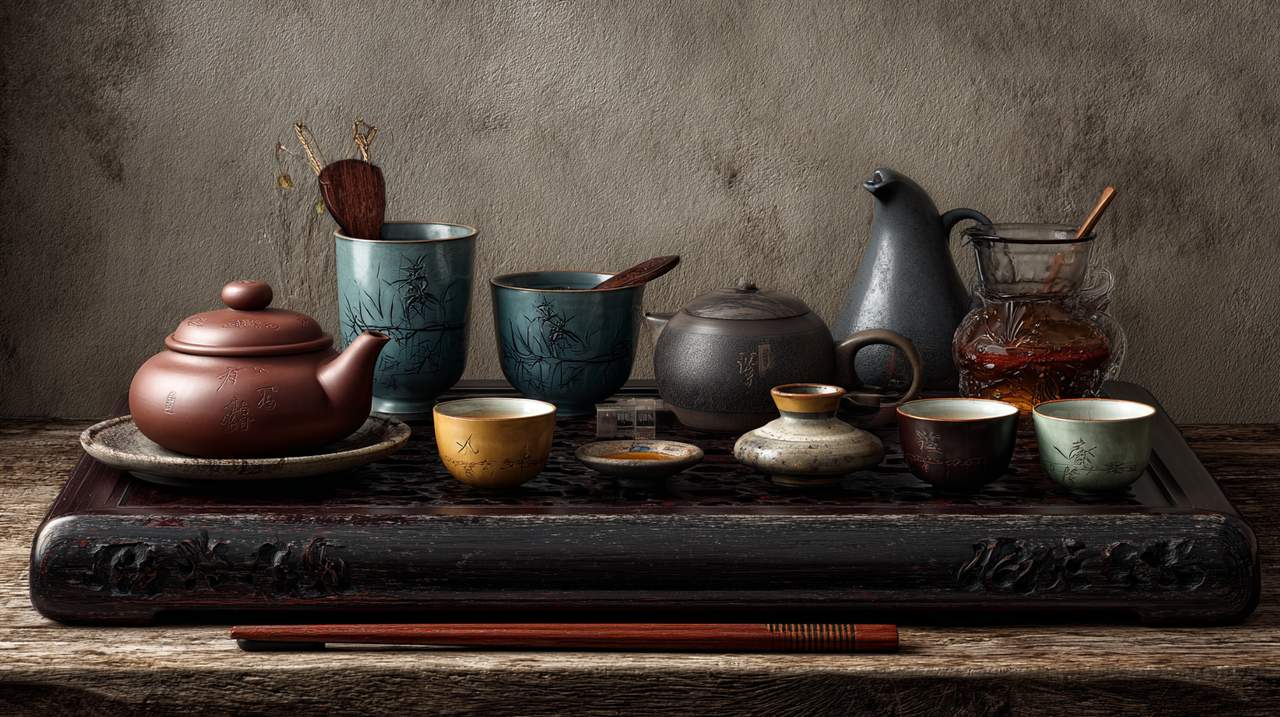
Imagine the traditional Chinese tea set as a carefully composed symphony of forms. Each piece holds a distinct and vital place within the delicate tea ceremony. Together, their presence lifts the simple act of brewing into an art form, like water finding its path.
The Heart of the Brew: Teapots and Gaiwans
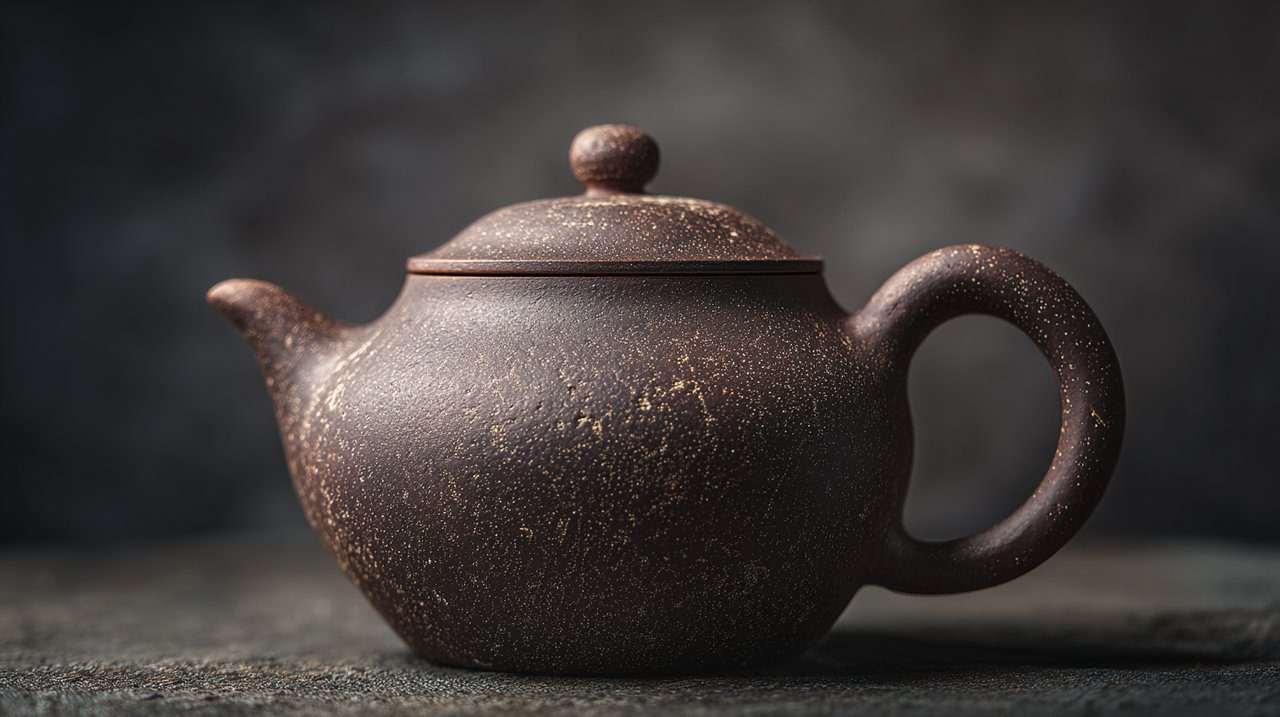
The vessel you choose for infusion subtly influences your tea’s character. Teapots, particularly those shaped from Yixing clay, are valued for their subtle porosity. This unique quality allows the clay to gently absorb the tea’s essence—specifically, its aromatic compounds and a small portion of its polyphenols—over many infusions. This patient exchange deepens the character of subsequent brews, creating a layered flavor profile that matures with each use. It is a slow conversation between clay and leaf, deepening with time.
In contrast, Chinese porcelain teapots, with their smooth, non-porous surfaces, hold the tea’s liquor in pristine clarity. They are often chosen for delicate green or white teas, allowing the subtle shifts in color and aroma to reveal themselves without alteration.
Alternatively, the Gaiwan (盖碗)—a versatile, lidded bowl—serves as a clear window for almost any tea. Its thoughtful design allows for a close observation of the unfurling leaves, like watching petals open on water, and enables swift, precise pouring. This makes it a favored tool for those who practice Gongfu Cha, where each pour is a moment of focused attention.
Vessels of Appreciation: Tea Cups and Aroma Cups
Tea cups, diverse in size and material, become individual canvases revealing the tea’s color and subtle texture. Their delicate forms invite us to take slow, deliberate sips, feeling the warmth against our palms, truly savoring each unfolding moment.
Unique to the Chinese tea culture is the Aroma Cup (闻香杯, wenxiang bei). This tall, slender vessel is crafted to gather and intensify the tea’s fragrance. It offers a delightful preliminary sensory journey, a breath of the tea’s soul, even before the first taste touches the tongue.
The Supporting Ensemble: Fairness Pitcher, Tea Tools, and Tray
The Fairness Pitcher (公道杯, Gongdao Bei) acts as a mediator, ensuring an even infusion for all who gather. After brewing, tea flows from the teapot into this pitcher, then finds its way into individual cups. This guarantees a consistent strength and flavor, a shared moment of balance across every serving.
A specialized array of tea ceremony tools (Cha Dao 茶道六君子), often held within a dedicated caddy, quietly supports the ritual. These tools include:
- A tea scoop for portioning leaves.
- A funnel for guiding leaves into smaller teapots.
- A needle for clearing spouts.
- Tongs for safely handling hot cups.
Finally, the Tea Tray (Cha Pan 茶盘), often shaped from bamboo or wood, patiently collects any spilled water. It forms a clean, natural stage, a serene landscape upon which the entire ceremony unfolds.
Whispers from the Past: The History of Chinese Tea Wares
The History of Chinese tea wares is a quiet narrative, reflecting evolving tastes, technological advancements, and subtle cultural shifts. Each historical era has left an indelible mark on the vessels used for tea, shaping them into the forms we recognize today.
From Humble Beginnings: Early Forms and Materials
In its earliest forms, tea was often taken for medicinal purposes, served in simple ceramic bowls. Yet, as tea’s quiet influence grew, especially during the Tang Dynasty, these humble vessels began to transform, mirroring tea’s rising status.
It was during this era that Celadon pottery emerged, its exquisite jade-like glazes reflecting the serene beauty of nature. These pieces, celebrated in period poems and imperial decrees, represented some of the earliest expressions of aesthetic appreciation specifically for tea, embodying the Tang’s refined sensibility.
The Golden Ages: Song, Ming, and Qing Dynastic Influences
The Song Dynasty witnessed the flourishing of powdered tea culture, a period where tea became an art form for scholars and monks. This led to the creation of highly refined black-glazed Jian ware bowls, their dark surfaces perfectly framing the frothy white tea, often praised in Song literati writings for their subtle beauty.
The Ming Dynasty marked a pivotal shift to loose-leaf tea, igniting a quiet demand for new vessels. This era saw the rise of Yixing clay teapots, their unique unglazed surfaces becoming revered. These pots, celebrated in Ming tea manuals for their ability to deepen tea’s flavor over time, remain cherished companions for tea enthusiasts even today.
During the Qing Dynasty, Chinese porcelain craftsmanship reached its zenith. The tea sets of this era, often commissioned by the imperial court and depicted in court paintings, were known for their intricate designs, vibrant enamels, and delicate forms, reflecting both imperial grandeur and a refined artistic sensibility.
Regional Craftsmanship: Noteworthy Styles and Innovations
Across the land, diverse regions cultivated their own distinct tea ware design traditions, each bearing unique characteristics. Jingdezhen, known as the “Porcelain Capital,” gave birth to exquisite blue-and-white and famille rose porcelains. Dehua in Fujian specialized in lustrous white “blanc de Chine” ceramics, pure as mountain snow. Meanwhile, Yixing in Jiangsu became inseparable from its singular unglazed clay, holding the spirit of the earth. Each of these places contributed a quiet, lasting legacy to the varied heritage of traditional Chinese tea culture.
The Dance of Water and Leaf: Engaging with Tea Wares
Engaging with a traditional Chinese tea set is an invitation to the mindful practice of Gongfu Cha. This detailed tea ceremony transforms the act of brewing into a meditative art, like watching a stream flow, each movement intentional. It offers a gentle framework for appreciating this beautiful practice, finding stillness in motion.
Preparing the Stage: Setting Up Your Tea Ceremony
Begin by thoughtfully arranging your tea set upon the Cha Pan, creating a small, ordered world. Next, allow warmth to flow through all your vessels—the teapot, fairness pitcher, and cups—with hot water. This gentle warming prepares the materials for optimal infusion and offers a welcoming touch to the hands.
With gentle intention, select your tea leaves, ensuring they are dry and pure. This quiet attention to detail, like choosing the perfect stone for a garden, prepares the heart for a truly exquisite brew.
The Dance of Water and Leaf: Brewing Techniques
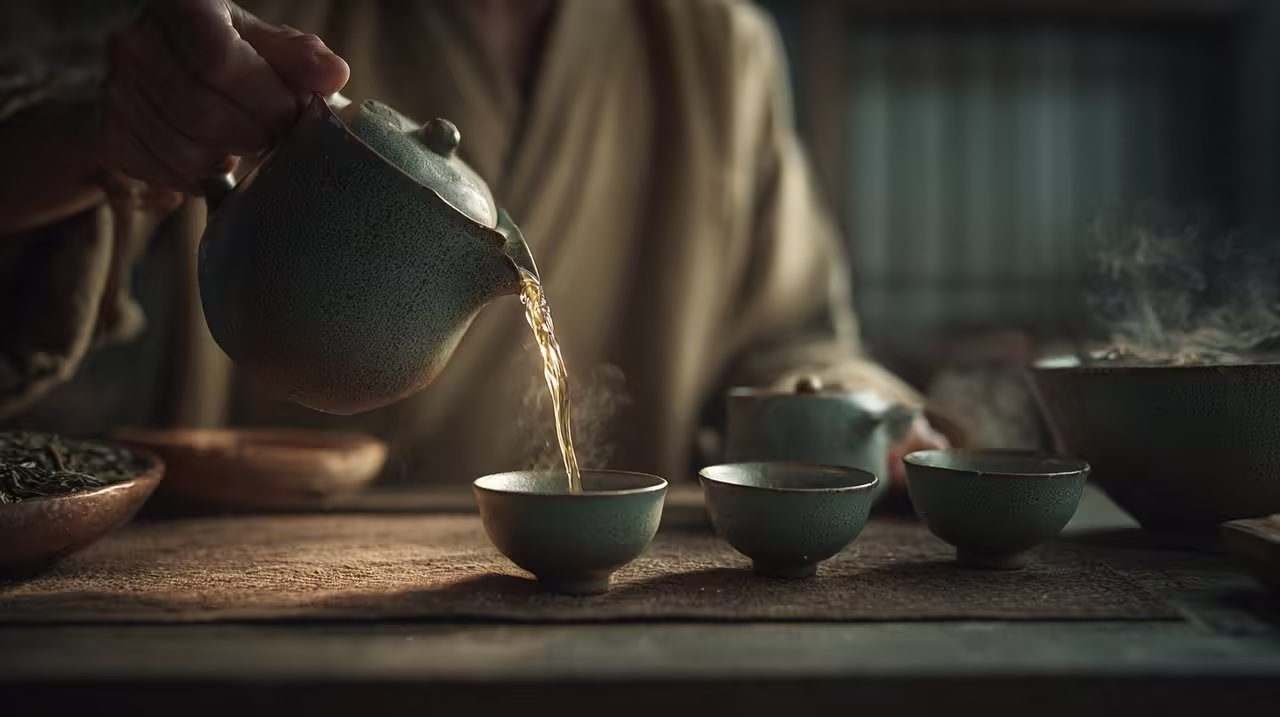
Gently place the chosen tea leaves into your warmed teapot or Gaiwan. The very first infusion often serves as a quick rinse, a soft wake-up call for the leaves, and is typically offered back to the earth.
Subsequent infusions will vary in steeping time, much like the changing seasons, depending on the tea type. Generally, shorter steeps are used for more delicate teas, allowing their subtle notes to emerge, while darker teas can patiently withstand longer infusions, deepening their character. Pour the brewed tea into the Gongdao Bei to ensure a harmonious consistency, then distribute it evenly into the individual cups. Observe the liquor’s inviting color, a liquid amber or pale jade, as it fills each vessel, reflecting the light.
Mindful Sips: Appreciating the Tea
Before tasting, lift the Aroma Cup to your nose, allowing its slender form to gather the tea’s delicate fragrance. This deep breath of its complex spirit adds another layer to the unfolding experience, a silent prelude.
Then, take small, deliberate sips from your tea cup. With each touch of the liquid, actively notice the taste, the unique texture, and the lingering aftertaste that dances on the tongue. This focused attention, like watching ripples expand on a pond, transforms a simple drink into a truly tea tasting notes and a sensory journey, gently calling us into the quiet presence of the moment.
As the last drop is savored and the warmth lingers, we begin to perceive that the true essence of tea extends beyond the brewing itself. It is in these moments of quiet engagement that the deeper reflections emerge, guiding us toward the enduring wisdom held within these ancient forms. What lessons might the stillness of the brew offer our own hurried lives?
Beyond the Brew: Philosophy, Aesthetics, and Lingering Wisdom
The Traditional Chinese Tea Set is far more than just a collection of tools. It is a physical manifestation of quiet philosophical and aesthetic ideals. Its very existence, and the beautiful ritual it supports, offer enduring wisdom that resonates gently with contemporary life.
Zen and Tao: Philosophical Underpinnings of Tea Culture
Chinese tea culture is woven deeply with the threads of both Zen Buddhism and Taoist philosophy. The emphasis on simplicity, on the unadorned beauty of naturalness, and on the quiet harmony found in tea set design, mirrors Taoist principles of returning to the origin, like water seeking its own level.
The meditative quality of the tea ceremony, with its gentle focus on the present moment and meticulous steps, reflects Zen’s quiet path toward insight through focused attention and ritual. It is a practice of finding the extraordinary in the ordinary, much like noticing the intricate patterns in a single leaf.
The Aesthetics of Simplicity: Form, Function, and Natural Beauty
The aesthetic principles guiding traditional tea sets champion an understated elegance, a quiet beauty. Concepts like liubai (留白), or negative space, are beautifully evident in the minimalist forms and unadorned surfaces of many pieces, much like the silence between musical notes, allowing the essence to emerge.
Natural textures, subtle glazes, and organic shapes celebrate the inherent beauty of the materials themselves, acknowledging their origin in the earth. The true beauty of a tea set often rests not in overt decoration, but in its balanced proportions and its quiet integration of form and function. This idea of liubai extends beyond ceramics; it teaches us to appreciate the pauses in conversation, the empty spaces in a garden, or the quiet moments in our day, allowing for clarity and reflection to emerge, much like the stillness that follows a gentle rain.
A Timeless Ritual: Cultivating Stillness
In our hurried rhythms, the ancient ritual of the tea ceremony offers a gentle counterpoint, like a quiet pool amidst a rushing stream. Engaging with a traditional Chinese tea set asks for patience, focused attention, and a conscious slowing of pace, much like observing the slow unfurling of a leaf.
This deliberate act of preparing and savoring tea can become a gentle practice for mindfulness, easing the mind and nurturing a deeper appreciation for the present moment. It is a quiet refusal of constant distraction, a soft reminder that beauty and serenity can indeed be found in the simplest, most everyday rituals, like the steady flow of a river.
Ultimately, the traditional Chinese tea set invites us not merely to drink, but to engage with a quiet legacy of beauty, reflection, and living with presence. It becomes a gentle guide toward inner stillness, allowing us to connect with an ancient heritage and nurture a deeper appreciation for the world unfolding around us.
As you consider your own journey with tea, perhaps you might find resonance in the grounding presence of natural materials, much like the quiet strength found in . Or, you may discover how the ritual offers a space for inner observation and growth, akin to the reflections offered by . The path, like the tea itself, is yours to gently explore and savor.