7 Reasons Why a Tibetan Ring Makes a Meaningful Gift

When we look for a gift, we aren’t just looking for an object to fill a box. We are searching for a way to share a story or a specific feeling with someone we care about. We want something that sticks, rather than just becoming another item gathering dust on a shelf.
Tibetan rings offer a pragmatic solution to this search. They blend ancient design with a very practical sense of personal significance. It’s less about wearing a piece of jewelry and more about carrying a specific intent with you throughout the day.
Before we explore the specific benefits of these pieces, you might want to view our broader collection. This guide is part of our deeper look into the selection, where you can find various designs and resources to match your specific journey.
Wearing a Piece of Living History
These rings serve as a bridge to a culture that has mastered the art of mindfulness over centuries.
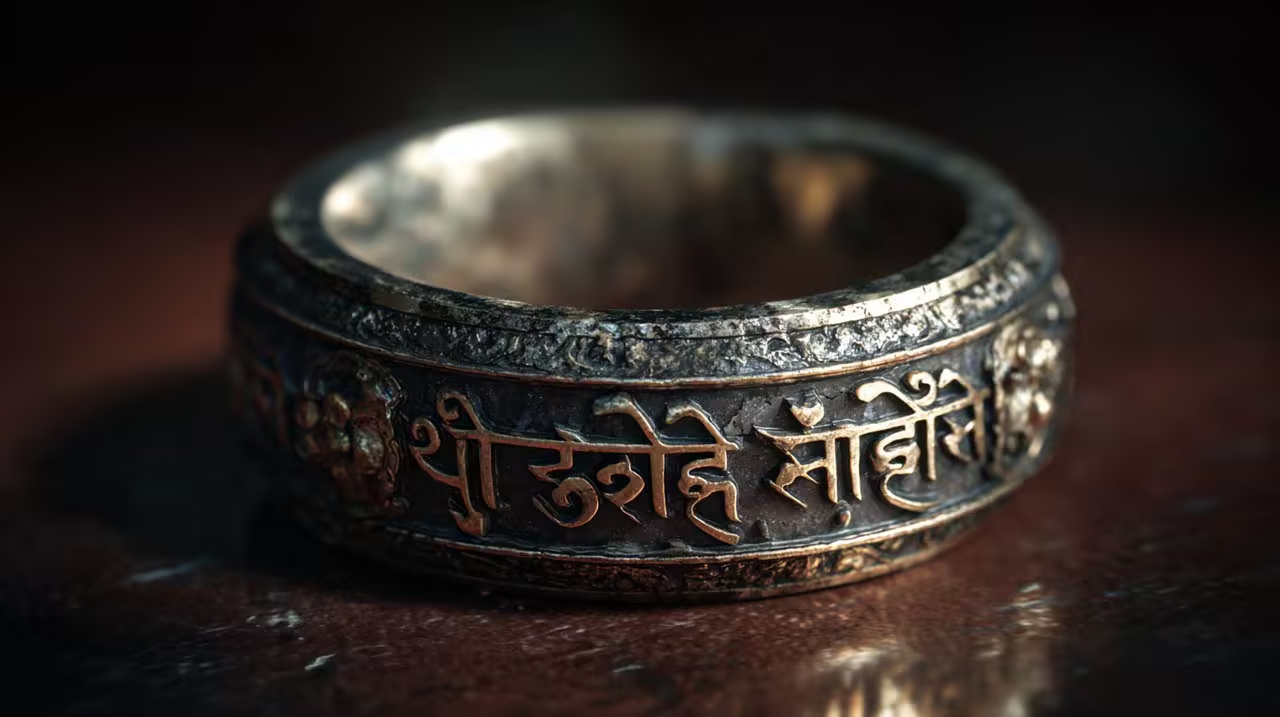
Giving a Tibetan ring is like handing someone a piece of a functioning, ancient civilization. These designs are rooted in the specific artistic traditions of the Himalayas that have survived for generations. While tibetan jewelry rings are often chosen for their aesthetic, their real value lies in the lineage they represent.
Think of it as a wearable narrative. Many of these pieces incorporate motifs similar to those found on dzi beads, creating a link to a lineage of protection and wisdom. It provides the wearer with a sense of perspective that fast-fashion simply can’t replicate.
Symbols as Functional Tools
In my research, I’ve found that these symbols act as visual shortcuts for complex mental states.
The symbols on these rings, like the endless knot or the lotus, are essentially ancient infographics for complex ideas. They serve as practical tools for the mind:
- The Lotus: A reminder that you can remain clear and focused even in a messy or stressful environment.
- The Endless Knot: A prompt to consider how your current actions are linked to your future goals.
When you gift these symbols, you are providing a visual focal point. Much like mala beads help keep track of breaths during meditation, the symbols on a ring act as a quiet prompt. They help the wearer return to a state of calm during a stressful workday without saying a word.
The Tangible Weight of Intent
The human effort involved in traditional crafting creates a psychological value that machines cannot replicate.
Authentic Tibetan rings are still crafted using traditional methods rather than being stamped out by a machine. At Buddha Auras, we look for specific artisanal signatures in the metalwork that indicate a slow, intentional process. This human element gives the piece a weight that mass-produced items lack.
When a gift has been handled and shaped by a person, it carries a different level of intention. It’s a reminder of human effort and patience. This makes the ring feel more like a personal treasure and less like a commodity you’d find in a department store next to generic healing crystals.

The Psychology of Physical Anchors
Environmental psychology suggests that our physical surroundings constantly influence our mental focus.
A ring sits in your constant line of sight—on your hand as you type, drive, or hold a cup of coffee. Think of it as “programming” a piece of hardware. When you assign a goal—like patience—to a ring, your brain builds a neural bridge between that metal and that mindset.
It acts as a tactile nudge. When you feel the weight of the silver while typing an email, it pulls you back from the digital buzz and into the present moment.
Regularly seeing or touching the ring triggers that pre-set mindset. It’s a form of positive self-suggestion. By gifting a ring, you are giving someone a tool to help them navigate their own internal landscape more effectively.
The objects we choose to keep close become extensions of our mindset, helping us shape how we react to the world.
The Hidden Logic of Materials
Materials in this tradition are chosen for their perceived ability to influence our internal temperature and mood.
In Tibetan tradition, the materials themselves carry specific intentions. High-quality silver is often valued for its cooling, stabilizing properties. While this is a cultural belief, it serves as a powerful psychological metaphor for a “mental reset” when the mind feels heated or overwhelmed.
Just as the red agate stone meaning is often tied to grounding and vitality, the metals in these rings serve a distinct purpose. Copper is frequently used for its association with warmth and circulation. Choosing a ring based on its material shows you’ve considered the specific energy the recipient might need in their daily life.
Gifting a Story Instead of a Product
A meaningful gift is one that acknowledges the recipient’s personal growth and aspirations.
Choosing a ring like this shows that you’ve actually thought about the recipient’s journey. It’s a gift that acknowledges their interest in growth, culture, or a more mindful way of living. It makes the act of gifting feel like a real conversation rather than a transaction.
The best part is the story you share when you give it. Explaining why you chose a particular symbol, like how elephant symbolism conveys strength and memory, creates an immediate connection. Whether the ring features the protection of a piyao or the wisdom of a mantra, it becomes a shared understanding between two people.
Quality That Defies Modern Trends
Durability is a form of sustainability, ensuring the message of the gift lasts for years.
High-quality Tibetan rings are usually made from durable materials like sterling silver or brass. They aren’t designed to fit into a specific fashion season. Instead, they have a rugged, classic look that actually gains character as it ages and develops a unique patina.
This durability makes them more than a temporary accessory. They are built to last for decades, often becoming heirlooms that carry their stories forward. It’s a way to give a gift that maintains its value and its message long after the initial occasion has passed.