Kwan Yin Statues in Modern Home Sanctuaries

Notice the gentle downward curve of her eyelids. This specific micro-detail on a Kwan Yin figure offers an immediate visual pause. Your breathing slows, your shoulders drop, and your mind begins to sync with the stillness of the silhouette before you.
Kwan Yin is the one who “hears the cries of the world,” a translation of the Sanskrit name Avalokiteshvara. As a Bodhisattva, she represents a state of being that stays close to the weight of human existence rather than retreating from it.
Your exploration of Kwan Yin does not end here. This specific look into home placement is just one chapter of our larger guide on , where you can explore the complete history, varied forms, and artistic expressions of this beloved figure.
Think of these sculptures beyond mere decoration. When a barrage of emails or endless notifications leaves your nervous system frayed, a physical focal point in your room provides immediate relief.
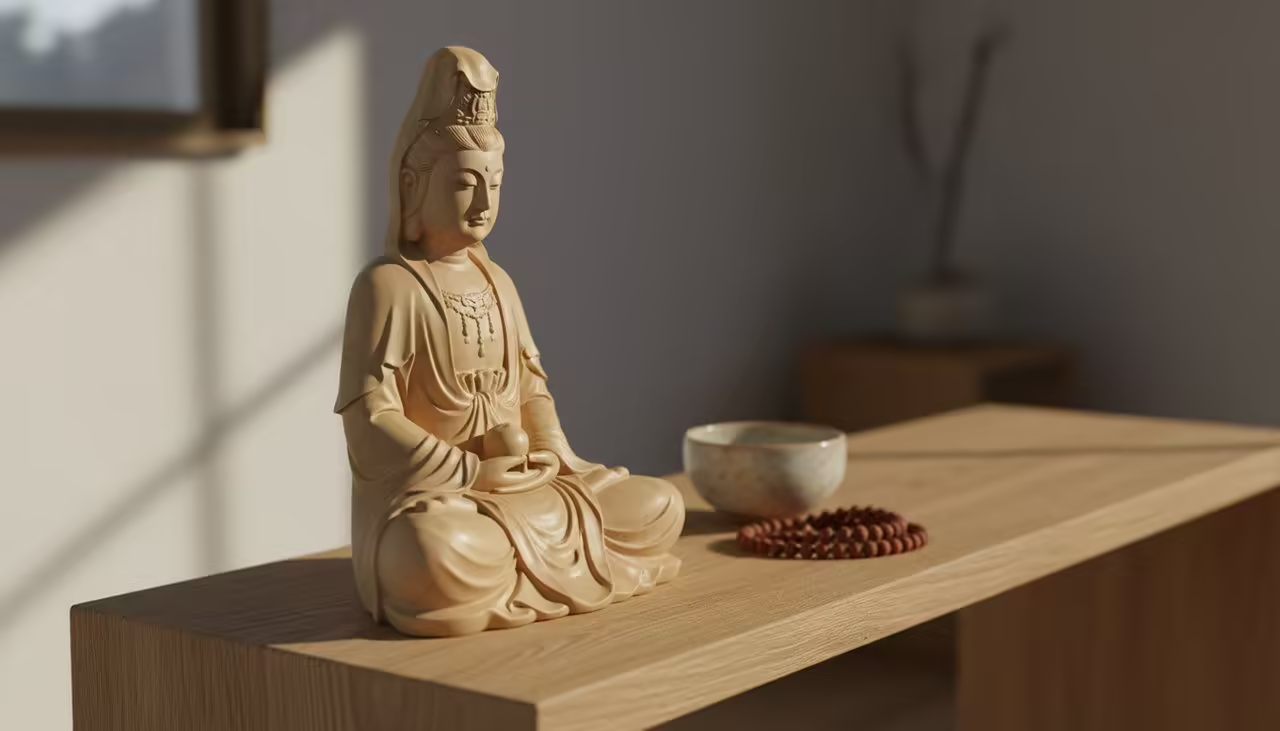
A Kwan Yin figure offers a quiet counter-weight to modern exhaustion. It provides a visual pause, resting your eyes and mind when the digital noise becomes overwhelming.
Evolution of Form
The visual identity of this figure has shifted significantly across centuries. In ancient India, Avalokiteshvara appeared as a masculine prince.
These early statues featured royal attire and a powerful silhouette, emphasizing the physical strength needed to protect and guide.
The Song Dynasty introduced a major transformation. Chinese artists began softening the features, creating flowing robes and a maternal presence.
This change reflected a move toward a form of mercy that felt accessible and nurturing to everyday people.
Beyond this historical shift, her dynamic posture dictates the energy she brings to specific rooms. A standing Kwan Yin radiates an active, protective aura, making her an ideal guardian near your entryway.
Conversely, the posture of Royal Ease invites quiet introspection. With one knee raised and an arm resting softly upon it, this relaxed sitting position naturally suits a private study or reading nook.
Mudras as Meditation
A statue communicates through specific hand positions known as mudras. These are not just historical symbols to memorize. They are practical focal points meant to trigger an immediate physical and mental response.
Instead of merely observing these gestures, use them as a micro-meditation guide:
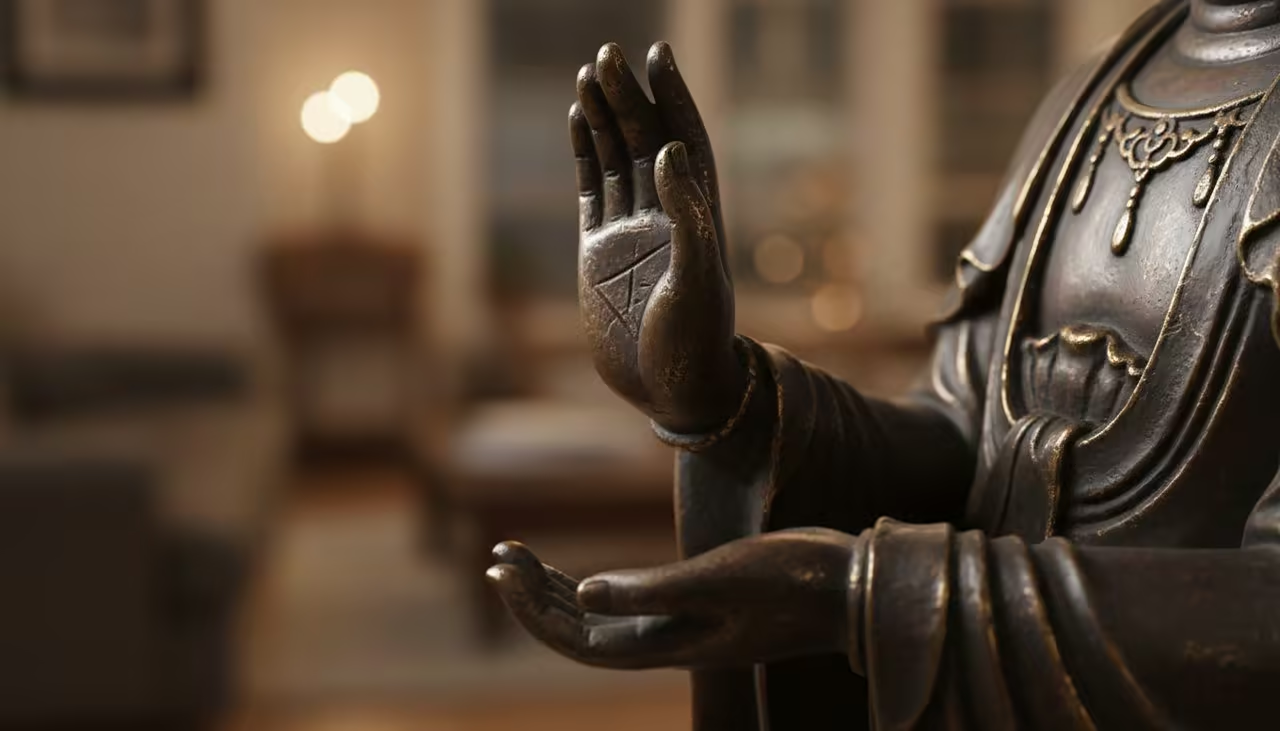
- Abhaya Mudra: The right hand is raised to chest height with the palm facing out. Pause for a moment and gently mirror this gesture yourself. Notice how raising your hand naturally broadens your chest, signaling a halt to external chaos and bringing an immediate sense of safety.
- Varada Mudra: The hand is lowered with the palm open. Let your own hand drop and open up. This physical release softens your shoulders and encourages a quiet, calm receptivity to the room around you.
- Dhyana Mudra: Hands overlap in the lap. As you rest your hands together, notice your breathing slow down. This classic pose represents deep concentration, serving as a quiet counterpart to active tools like turning tibetan prayer wheels.
Materials That Shape the Atmosphere
The material you choose dictates how the statue interacts with your room. Bronze figures, often made using lost-wax casting, carry a sense of weight and history. Their dark tones pair best with solid wood furniture and stable, central placements.
For those leaning toward minimalist design, Dehua porcelain offers a striking alternative. Known historically as ‘Blanc de Chine,’ this material demands absolute precision during firing to achieve its signature ivory-white glaze.
The result is semi-transparent, appearing almost like mutton fat jade.
This specific optical quality is incredibly soothing for eyes exhausted by blue light. After hours of staring at harsh backlit screens, the gentle, diffused glow of Dehua porcelain under warm indoor lighting provides actual physiological relief.
It completely avoids the sharp glares and harsh shadows typical of glassier ceramics, giving your optic nerves a much-needed rest.
Natural boxwood offers a completely different tactile connection. Maintaining these wooden pieces introduces a quiet habit into your day.
Gently buffing the wood with a soft cloth removes dust and distributes natural oils. As the wood ages and receives this attention, it transitions from a dry, pale color to a deep, glowing patina.
This slow transformation is a staple in traditional woodworking. Much like the careful daily handling of a small pi xiu figure for wealth attraction, interacting with a wooden Kwan Yin builds a personal history with the object over years of quiet presence.
The energy of these materials directly influences how your space flows. The cool, dense gravity of bronze absorbs light and grounds a chaotic room. Meanwhile, the luminous warmth of porcelain lifts heavy, stagnant corners.
Setting Up Your Space
Setting up a space for reflection requires clear intent. Even in a small apartment, a quiet corner can become a dedicated place of recovery. The area around the statue must remain intentional so the form stays the primary focus.
- Adjust the height: Position the figure at or slightly above eye level to encourage better posture and a natural sense of dignity.
- Respect negative space: Leaving the immediate surface empty amplifies the quiet presence of the statue. This deliberate void allows its stillness to radiate outward without visual competition.
- Balance the elements: Pair the visual lightness of a porcelain statue with heavier, earth-based elements nearby. Surrounding the base with root chakra stones, such as black tourmaline or red jasper, introduces a contrasting texture and grounds the ethereal aesthetic of the altar.
- Manage peripheral accessories: Keep the immediate surface uncluttered. A minimalist incense burner or neatly coiled mala beads are excellent additions, provided they do not visually crowd the main figure.
- Control the lighting: Use soft, indirect light to highlight the silhouette without creating glare that disrupts the atmosphere.
Carrying the Calm
To carry this focused mindset beyond your room, consider what you wear daily. Simple spiritual jewelry acts as a physical reminder of your home space.
The constant, cool tactile feedback of a stone or wood bracelet against your wrist provides a discreet sensory reset. Every time the material brushes your skin during a stressful meeting, it pulls your attention back to the cultivated stillness of your sanctuary.
This subtle touch closes the loop, making the transition between your private retreat and the noisy outside world much easier to navigate.
The goal of dedicating space to Kwan Yin is entirely practical. You are carving out a quiet zone to counter the relentless pace of modern routines.
As you sit with the figure, the physical traits of the wood or porcelain set a baseline for your own nervous system.
This cultivated quietness ultimately becomes a portable tool. It remains with you long after you leave the room, turning a beautiful object into a lasting habit of calm.