Chinese Love Symbols: Enduring Cultural Meanings

Why do the ancient symbols of love in Chinese culture continue to captivate hearts globally and serve as powerful conduits for modern expressions of emotion? This enduring appeal extends beyond mere aesthetic charm. It points to a deep cultural framework, structured from millennia of philosophical thought, mythical narratives, and artistic expression, speaking to universal human experiences. Unlike a singular, often romanticized Western concept, Chinese expressions of affection are diverse. They encompass romantic devotion, profound familial bonds, deep-seated friendships, and a harmonious connection with the natural world. These symbols, in essence, function as visual guides, encapsulating complex ideals of fidelity, prosperity, and unity. They invite a deeper contemplation of what it means to love and be loved within a holistic worldview. 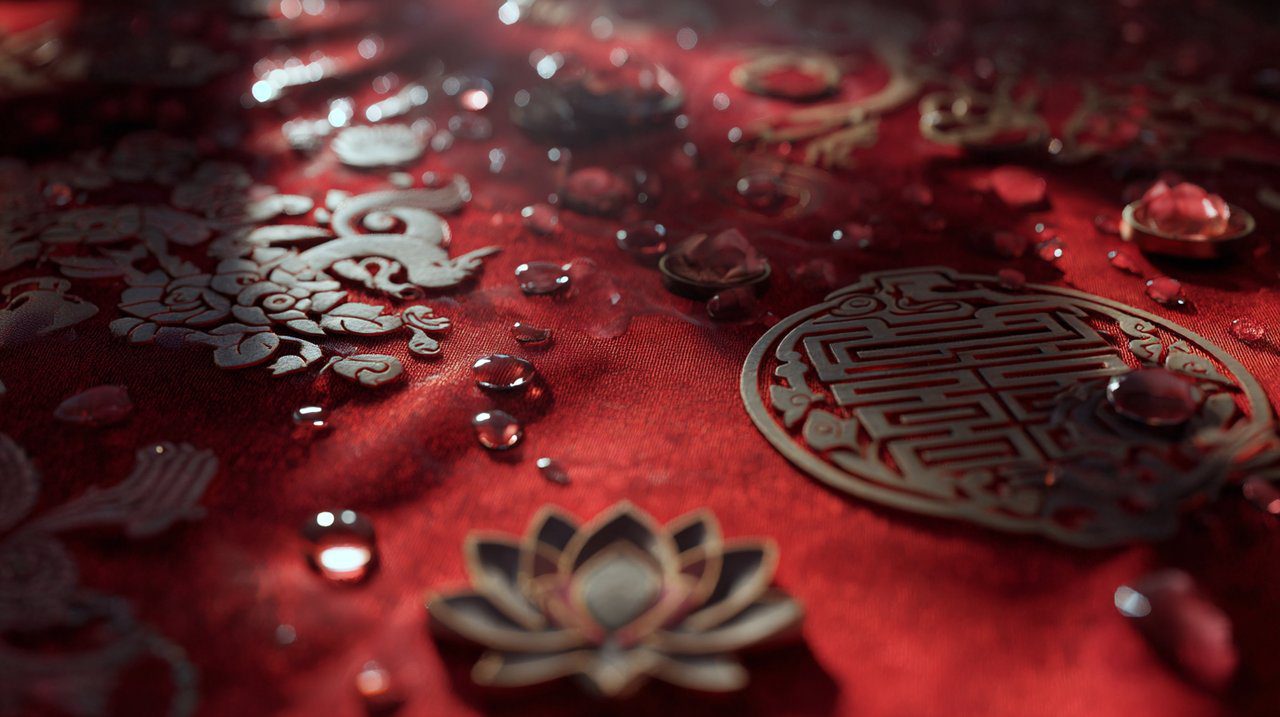
Philosophical Bedrock of Chinese Love Symbols
The deep significance of Chinese love symbols stems not from decorative artistry alone, but from their roots in philosophical traditions. They distill a worldview where personal relationships link to broader cosmic and societal harmony.
Harmony in Confucian and Taoist Thought
To grasp the essence of these symbols, one must first explore the foundational philosophies that shaped them. Confucianism, with its emphasis on 仁 (rén), or benevolence, and 礼 (lǐ), propriety, frames love not as an isolated sentiment but as an integral component within a structured social order. This begins with the family unit.
Within this framework, filial piety (孝, xiào) emerges as a foundational expression of love. This principle extends outwards to encompass community and nation. This perspective is not restrictive; rather, it positions love as a powerful harmonizing force, cultivated to foster societal stability and individual moral development.
Taoism, in contrast yet complementary fashion, champions the principle of 顺其自然 (shùn qí zì rán) – the art of going with the flow of nature – and the quintessential balance of 阴阳 (yīn yáng), yin and yang. It suggests that genuine affection arises from a natural, unforced connection, mirroring the very ebb and flow of the universe’s complementary forces. Understanding the yin yang symbol meaning provides further insight into this foundational concept.
The Chinese understanding of love transcends fleeting emotion. It is an active, disciplined pursuit of balance, mutual respect, and a shared journey towards personal fulfillment and collective well-being. This philosophical depth imbues their symbols with enduring significance.
Cosmic Order Reflected in Symbolism
Beyond philosophical tenets, many Chinese love symbols derive their power from an inherent connection to cosmic order. The cyclical rhythms of seasons, the dynamic interplay of elements, and the fundamental balance of yin and yang are not abstract theoretical constructs. Rather, these are living principles that inform and mirror the dynamics of human relationships.
Consider, for instance, the iconic pairing of the dragon and phoenix. This symbol embodies the Taoist ideal of yin and yang in harmonious union, representing more than just a couple. It signifies a balanced, thriving universe in miniature, where complementary forces coalesce to create flourishing. This cosmic perspective imbues these symbols with a singular spiritual weight, positing that true love is a reflection of this profound universal order. For a broader perspective on cultural influences, exploring Chinese Astrology can reveal how celestial patterns have long shaped understanding of destiny and relationships.
Enduring Emblems: Core Symbols and Their Narratives
Having explored the philosophical bedrock, we now turn to specific, enduring emblems. These have, over centuries, become synonymous with various facets of love. Each carries rich stories and layered meanings, serving as visual distillations of cultural truths.
Dragon and Phoenix: Unity of Opposites
Among the pantheon of Chinese symbols, the 龙 (lóng) (dragon) and 凤 (fèng) (phoenix) stand as perhaps the most emblematic symbols of love in Chinese culture. The dragon, representing a masculine yang force, traditionally symbolizes imperial authority, strength, and auspicious good fortune. 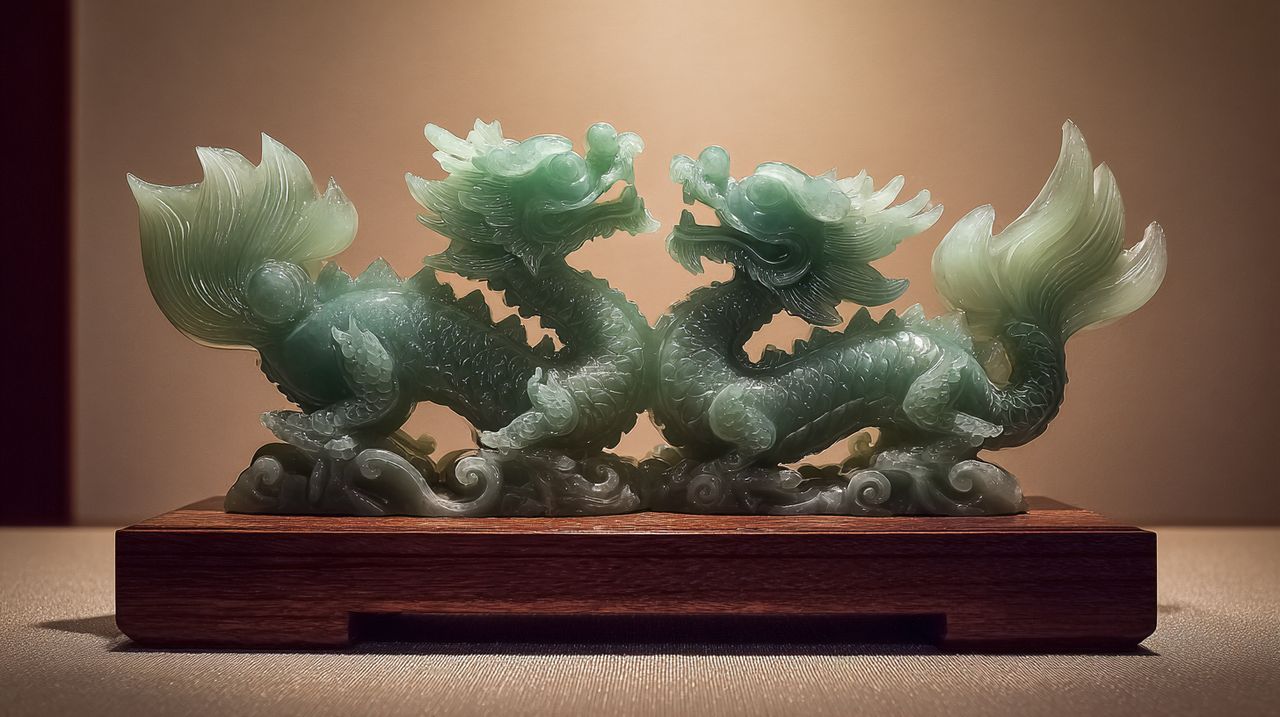 Conversely, the phoenix, a creature of grace and feminine yin energy, embodies beauty, prosperity, and the promise of rebirth.
Their combined imagery, encapsulated in the idiom 龙凤呈祥 (lóng fèng chéng xiáng) — “dragon and phoenix bringing prosperity” — signifies not merely a perfect union, but a profound, complementary partnership, especially within marriage. Their depiction transcends simple romance; it speaks to the essential harmonious balance of complementary forces that underpin true prosperity and holistic well-being within a relationship and, by extension, the family. For example, a modern couple might choose dragon and phoenix motifs for their wedding invitations, symbolizing their hope for a balanced and prosperous future together.
Mandarin Ducks and Lotus: Fidelity and Purity
Mandarin ducks (鸳鸯, yuānyāng) are celebrated for their remarkable, often lifelong, pair-bonding. This establishes them as potent Chinese love symbols for couples. They are quintessential representations of unwavering loyalty, profound fidelity, and enduring marital bliss.
Frequently depicted swimming in serene harmony with 荷花 (hé huā) (lotus flowers), the lotus itself introduces additional layers of meaning. Emerging pristine and unsullied from muddy waters, the lotus symbolizes purity, integrity, and the journey towards spiritual enlightenment. This potent combination thus suggests a relationship capable of maintaining its purity and truthfulness even amidst life’s inevitable challenges, underscoring both enduring commitment and a shared, upward journey towards clarity and spiritual growth.
The symbolism of the Koi fish symbolism also offers parallels, representing perseverance and strength in overcoming obstacles, qualities equally valued in lasting relationships.
Jade and Peony: Eternity and Flourishing Beauty
玉 (yù) (jade) holds an unparalleled place of reverence in Chinese culture. It is esteemed for its intrinsic purity, exceptional durability, and perceived connection to immortality—a stone deeply interwoven with the fabric of Chinese cosmology. It powerfully symbolizes eternity, divine protection, and unblemished moral integrity. As a symbol of love, jade thus signifies an enduring, unbreakable bond, a connection as resilient and timeless as the stone itself.
Complementing jade is the magnificent 牡丹 (mǔ dān) (peony), crowned the “King of Flowers.” This bloom represents wealth, honor, prosperity, and flourishing beauty. When these two potent symbols are combined, particularly in art or jewelry, they convey profound wishes for a relationship that is not only eternal but also characterized by abundant prosperity, radiant beauty, and vibrant vitality. Consider, for example, a couple choosing matching jade pendants adorned with peony engravings—a tangible expression of their aspiration for an everlasting and truly abundant union. The Jade bracelet chinese meaning often ties into similar themes of protection and good fortune for the wearer.
Beyond Romance: The Expansive Canvas of Chinese Love
While the allure of romantic love often captivates our imagination, Chinese love symbols compellingly illustrate a broader, more expansive understanding of affection. This rich sentiment extends far beyond romantic partnerships, encompassing the profound bonds of family, the steadfastness of friendship, and the collective well-being of society itself.
Kinship and Filial Piety: Love as the Societal Foundation
At the heart of Chinese society, serving as its foundational pillar, lies the concept of family and 孝 (xiào), or filial piety. Symbols such as the auspicious 双喜 (shuāng xǐ) (double happiness character) are frequently observed in broader family contexts, signifying not merely marital joy, but the vital continuation of the family line and the harmony it brings to the collective.
Beyond explicit characters, elements like the family tree, the revered shared ancestral tablet, and even specific traditional knots or intricate carvings serve as powerful symbols. They eloquently convey the deep interconnectedness and enduring love within a kinship group, where respect for elders and the diligent nurturing of the young stand as paramount, tangible expressions of affection. For instance, in wedding ceremonies, the “double happiness” symbol is often displayed prominently, representing not just the couple’s joy but also the merging of two families and the prosperity it is hoped to bring to both lineages.
Bonds of Trust: Friendship and Shared Purpose
Beyond kinship, friendship (友谊, yǒuyì) holds an equally revered place in Chinese culture, often regarded with a gravitas comparable to familial bonds. The ancient concept of 君子之交淡如水 (jūn zǐ zhī jiāo dàn rú shuǐ) – “the friendship of a gentleman is as pure as water” – eloquently suggests a deep, unassuming connection, untainted by ulterior motives or superficiality. It speaks to a bond built on genuine respect and clarity.
Further illustrating this depth are symbols like the 松 (sōng) (pine), 竹 (zhú) (bamboo), and 梅 (méi) (plum blossom), collectively celebrated as the “Three Friends of Winter.” These botanical emblems represent steadfast resilience, unwavering integrity, and enduring friendship that perseveres through adversity. They stand not as romantic symbols, but as powerful affirmations of loyalty, shared values, and mutual support between individuals. The intricate designs found in Chinese knot symbolism also often reflect themes of interconnectedness and enduring bonds, making them popular gifts among friends.
These ancient symbols, deeply embedded in China’s rich cultural heritage, continue to evolve. They bridge the gap between historical philosophical roots and contemporary expressions of affection, demonstrating their enduring relevance in an ever-changing world.
Modern Echoes: Contemporary Expressions of Ancient Affection
As societies evolve, so too do the expressions of timeless sentiments. In contemporary life, these ancient symbols of affection are dynamically reinterpreted and embraced in novel ways, finding their place particularly in deeply personal declarations like tattoos and thoughtfully chosen gifts.
Personal Canvas: Chinese Love Symbols for Tattoos
The surge in popularity of Chinese love symbols for tattoos reflects a contemporary desire for deeper meaning and a tangible connection to cultural heritage. Individuals thoughtfully select designs such as the double happiness character, the iconic dragon and phoenix, or specific ideograms for “love” (爱, ài) or “destiny” (缘, yuán).
They choose to permanently etch their profound commitments and cherished beliefs onto their very skin. These tattoos transcend mere aesthetic choice; they serve as potent personal declarations of love, unwavering loyalty, or a deeply felt spiritual connection. In this way, ancient motifs are powerfully transformed into modern body art, each carrying undeniable personal significance for the wearer.
Meaningful Gestures: Gifting with Cultural Depth
Beyond personal adornment, modern gifting practices frequently incorporate these symbols. This elevates a simple present into a deeply resonant, meaningful gesture. The deliberate choice of a piece of jewelry adorned with a mandarin duck motif, a silk scarf elegantly featuring peonies, or a piece of art depicting majestic dragons and phoenixes empowers individuals to convey highly specific and nuanced sentiments.
A discerning understanding of the meaning of love symbols for couples thus enables truly thoughtful selection, ensuring that the gift transcends mere aesthetic appeal. It becomes a potent cultural token, transmitting heartfelt wishes for enduring happiness, longevity, and profound harmony. This silent yet eloquent message is steeped in ancient wisdom.
The Enduring Legacy: Preserving and Evolving Symbolic Meanings
The journey of Chinese love symbols, from their ancient philosophical origins to their vibrant modern expressions, highlights their timeless appeal and adaptability. They offer a unique lens through which to comprehend the multifaceted nature of love, demonstrating how it transcends romantic sentiment to encompass harmony, commitment, and a deep connection to something far larger than the individual self.
As we navigate an increasingly interconnected world, these symbols continue their dynamic evolution. They consistently find new forms of expression while meticulously retaining their core meanings. They serve as a compelling invitation to look beyond superficial gestures, urging us instead to infuse our expressions of affection with genuine cultural depth and spiritual wisdom.
Therefore, when one chooses a symbol to convey their deepest feelings, or selects a meaningful gift, it is truly enriching to consider the rich narrative and philosophical heritage embedded within each design. Embracing the symbols of love Chinese culture so generously offers allows us to connect with a legacy of profound affection, enriching our relationships with a wisdom that ensures love is not just felt, but truly understood and deeply cherished.