What Is the Khata in Tibetan Culture?

The Khata: Silent Language of Respect in Tibetan Tradition
Imagine a simple piece of fabric, a delicate silk scarf, yet it holds the power to bridge hearts, convey profound respect, and seal sacred promises. This is the khata, a central symbol in Tibetan Buddhism and society. Far from being just a cloth, this unassuming scarf carries the weight of centuries of history and the warmth of genuine human connection. Indeed, it functions as a potent, non-verbal language, communicating reverence, honor, and spiritual exchange within daily interactions and ancient practices.
But what truly makes the khata so significant? This article moves beyond its physical form to explore its rich historical context, its vibrant color symbolism, and its widespread use in ceremonies and everyday life. Understanding the khata offers more than just facts; it provides a direct glimpse into the very heart of Tibetan culture and the resilient bonds that unite its people.
Khata: Form and Core Symbolism
Typically, the khata is a long, slender strip of fine silk or cotton, most often presented in pristine white. This color is not arbitrary; it signifies purity, sincerity, and auspiciousness. It represents the unblemished heart and pure intentions of the giver, establishing a tone of profound respect and goodwill for the exchange. As Tibetan wisdom often reminds us, ‘A pure heart makes a pure offering.’ The white khata thus connects the material to the spiritual, embodying a state of unadulterated being.

While white remains the most common and revered, khatas also appear in a spectrum of other colors, each imbued with distinct symbolic meanings:
- Blue: Reflects the boundless sky and universe, symbolizing purity, healing, and the expansive nature of the mind.
- Green: Signifies the vibrant energy of nature, dynamic vitality, and flourishing prosperity.
- Red: Denotes strong protection, active compassion, and the transformative power of fire.
- Yellow/Gold: Symbolizes the steadfastness of the earth and the profound wisdom inherent in the Buddha’s teachings.
These five elemental colors, often seen woven into rainbow khatas, correspond to the Five Dhyani Buddhas and the fundamental elements in Tibetan Buddhism. Beyond color, the khata’s flowing length also holds meaning, representing continuity, an endless stream of blessings, and the lasting connections formed between individuals—a silent pledge of ongoing goodwill. It speaks of a bond as continuous as the turning of tibetan prayer wheels.
Intention and Symbolic Exchange
Crucially, the khata’s true significance lies not just in its material form, but in the sincere intention behind its offering. This gesture acts as a powerful, non-verbal communication—a silent declaration of respect, honor, and heartfelt good wishes. When presented, the khata becomes a tangible expression for prayers, blessings, and aspirations, fostering an immediate spiritual bond between the giver and the receiver.
This simple yet potent act facilitates an energetic exchange. It highlights how deep interpersonal connections are affirmed through meaningful, mindful actions, rather than solely through spoken words. The khata, in essence, becomes a conduit for intangible sentiments to flow between hearts, much like how certain healing crystals are believed to channel positive energy.
Khata’s Role in Tibetan Cultural Practices
Beyond its inherent symbolism, how does the khata actively shape the rich fabric of Tibetan life? From formal ceremonies to personal exchanges, its presence highlights core values of respect, generosity, and community, serving as a consistent thread throughout a lifetime.
Giving and Receiving: A Gesture of Respect and Generosity
The exchange of a khata is a deeply meaningful act, embodying generosity from the giver and humility from the receiver. It is a ritual of respect where every movement carries weight. The customary protocol for offering a khata typically involves specific steps:
- Holding the scarf with both hands, often elevated to chest height, signifying deep reverence.
- Bowing slightly as it is presented, a gesture of profound respect.
- Gently draping it around the recipient’s neck or placing it respectfully into their hands, ensuring the scarf touches the person directly.
This ritualized exchange is a powerful, non-verbal way to convey respect, gratitude, or wishes for good fortune. The recipient accepts the offering with grace and dignity, acknowledging the bond being affirmed. I once observed a traveler arriving at a remote tibetan monastery; the offering of a khata by a monk immediately established a connection of welcome and peace, transcending any language barrier and speaking volumes of unspoken hospitality.
Khata in Life’s Milestones: Celebrations and Farewells
The khata accompanies Tibetans through all significant life events, from joyous celebrations to solemn farewells. Its widespread presence marks critical transitions, serving as a tangible symbol of blessings, well-wishes, or condolences. Key instances where the khata plays an indispensable role include:
- Celebrations: Offered at births, weddings, graduations, and New Year (Losar) festivities, symbolizing new beginnings and auspicious blessings.
- Farewells: Presented at funerals to offer solace and comfort to the bereaved, and to express heartfelt prayers for the peaceful journey of the departed soul.
- Arrivals/Departures: Used to warmly welcome esteemed guests or to bid a respectful farewell to travelers, signifying honor and good wishes for safe passage.
This integration into life’s pivotal moments highlights the khata’s role in marking transitions with dignity and communal support. It serves as a unifying thread in Tibetan social and cultural traditions, binding generations and experiences. Does this deep-seated tradition offer lessons for modern societies seeking to strengthen communal bonds?
Khata in Spiritual and Daily Practice
The khata’s influence extends far beyond formal ceremonies, deeply permeating both the sacred landscape and the nuances of everyday Tibetan life. It acts as a vital bridge between the ordinary and the spiritual, fostering connection in every interaction.
Ritualistic Use: Offerings and Sacred Items
Within tibetan buddhist rituals, the khata holds paramount importance as an offering. According to tibetan buddhism tradition, it is respectfully presented to:
- Sacred Images: Adorning statues of Buddhas and Bodhisattvas, thangkas, and altars, symbolizing reverence and devotion.
- Lamas and Esteemed Teachers: As a gesture of devotion, respect, and gratitude for their teachings and spiritual guidance.
- Holy Sites: Such as revered stupas, ancient monasteries, and pilgrimage destinations, honoring their sanctity.
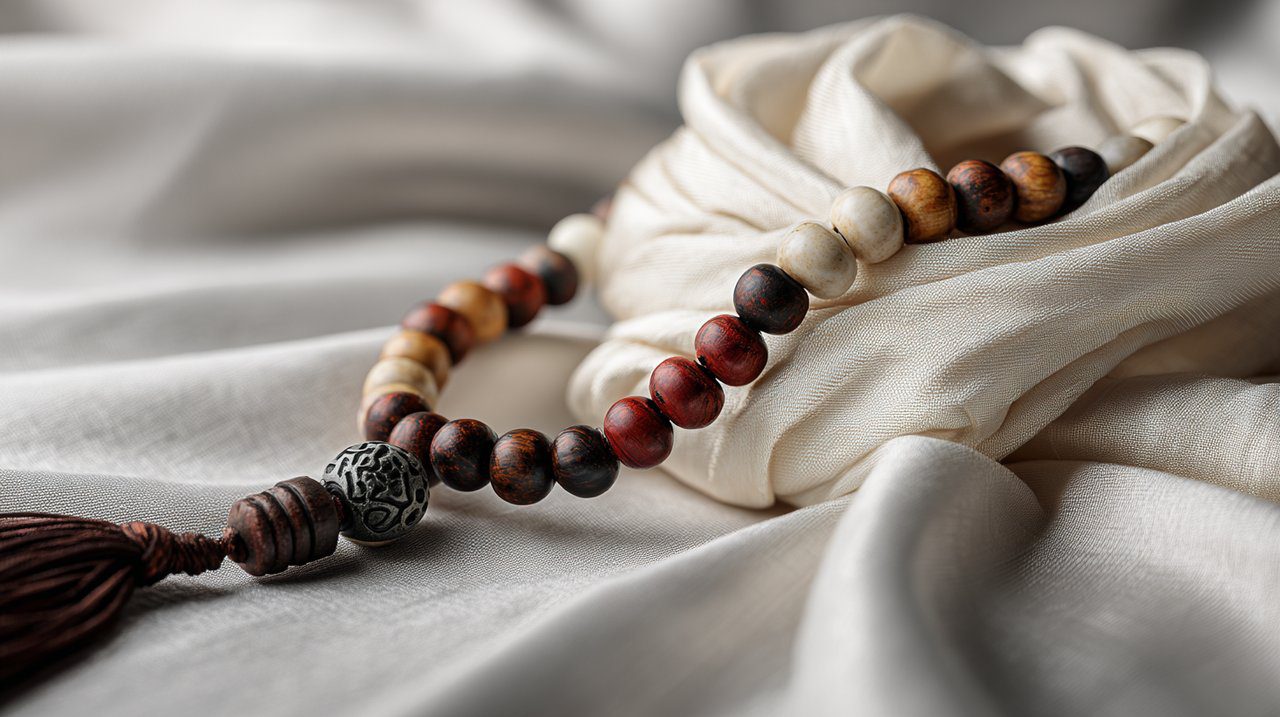
This act of offering signifies pure devotion and the aspiration for spiritual merit. It frequently accompanies other sacred items like a string of tibetan mala or prayer beads, enhancing the spiritual weight of the offering. The khata, in these contexts, transforms encounters into a sacred exchange, reinforcing spiritual connection and pure intent. This practice of offering protection and blessings is deeply ingrained, much like the belief in the protective qualities of an evil eye bracelet in other cultures.
Everyday Applications and Social Etiquette
Beyond its formal ritualistic use, the khata is intricately woven into the fabric of everyday Tibetan social interactions. Its versatility makes it a common, cherished gesture in a myriad of informal settings, reflecting the innate courtesy and warmth of the culture:
- Greetings and Farewells: Friends exchange khatas upon meeting after a long absence—a warm embrace of renewed connection. They are frequently presented when bidding farewell, signifying good wishes for the journey ahead.
- Welcome and Honor: Esteemed guests, whether strangers or friends, receive khatas as a sincere sign of warm welcome, respect, and hospitality.
- Requests and Acknowledgments: Offered when respectfully making a request to someone of higher status, or as a heartfelt sign of gratitude for a favor, a blessing, or a teaching received.
This widespread integration into daily life underscores the khata’s role as a universal symbol of respect, sincerity, and heartfelt connection within Tibetan society. It extends beyond formal religious practice, embodying a constant thread of mutual regard in every interaction. The vibrant color of a red agate stone meaning may signify vitality, but the khata’s white speaks of an even deeper, unspoken purity in these exchanges.
The Khata’s Lasting Message
While its symbolic weight is undeniable, the khata’s true power lies in the profound messages it imparts. It offers insights into human connection, intentionality, and the very essence of giving, inviting us to consider deeper truths that resonate across cultures and time.
Indeed, the khata is a powerful testament to the enduring nature of traditional wisdom. For a broader understanding of how ancient symbols continue to shape our spirit and resilience, explore Symbols of Strength & Resilience: Decoding Ancient Wisdom for Enduring Spirit.
Building Human Bonds: A Symbol of Connection
Through its simple yet deeply meaningful act of exchange, the khata serves as a powerful instrument for strengthening human connections. It emphasizes that true, resilient bonds are forged not merely through verbal communication, but through shared respect, empathy, and an often unspoken understanding. This non-verbal affirmation of connection, steeped in centuries of tradition, is particularly potent in a world often dominated by words.
Like the intricate designs of tibetan jewelry or the ancient patterns of dzi beads convey layers of meaning, the khata communicates sentiments without uttering a single word. It offers a vital lesson: lasting relationships are frequently built upon a foundation of felt understanding and mutual regard, rather than grand, explicit declarations. Could this ancient practice hold a key to more authentic human interaction in our modern age, where digital connections often overshadow genuine presence?
Cultivating Intentional Giving
The practice of offering and receiving a khata encourages a more mindful and deliberate approach to all human interactions. It is an invitation for individuals to engage not just with their hands, but with a pure heart and genuine intention. This transforms what might seem like a simple exchange into an enriching and spiritually resonant experience for both the giver and the receiver.
The khata reminds us that generosity isn’t merely about what we give, but the spirit in which we give it. It is a quiet reflection of the enduring generosity found in nature itself, a timeless gesture of goodwill.
The khata stands as a vibrant testament to the significance of non-verbal communication and heartfelt intention within Tibetan culture. Its lasting presence underscores the belief that the most profound and lasting connections are often expressed not through grand pronouncements, but through simple, meaningful gestures—gestures that enrich lives and foster shared understanding. It serves as a timeless reminder that spiritual depth is often found in the simplest, most intentional acts.