

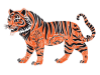
Chinese Zodiac Tiger

Watch a cat perfectly still before it strikes. The true weight of a predator is rarely found in the leap itself, but in the heavy, breathless silence that precedes it. We often imagine the wild feline mid-roar with muscles taut, treating it as a simple symbol of aggression.
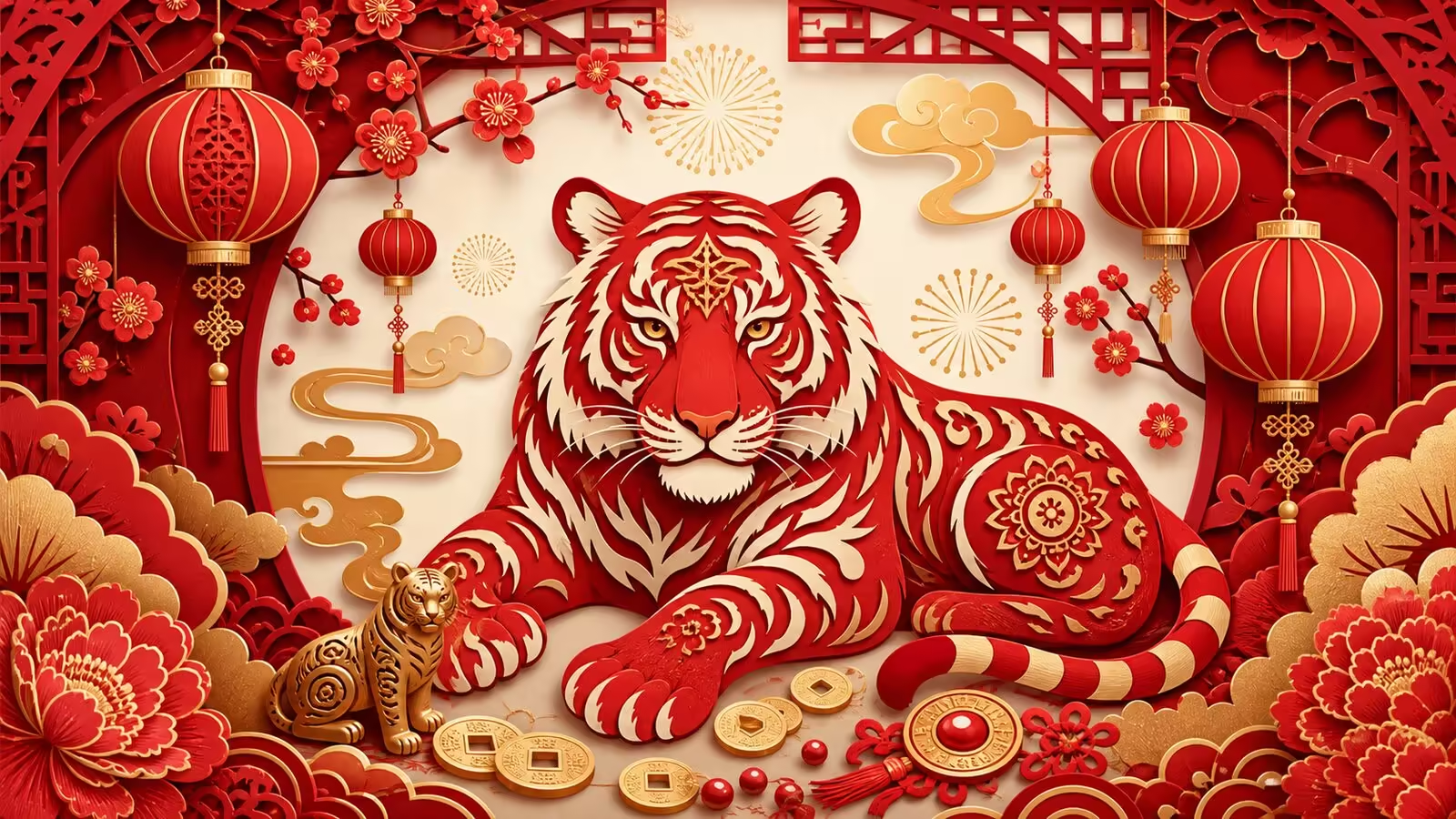
Early artifacts left by those who walked this earth long before us suggest a different perspective. They frequently carved the creature at rest, eyes half-closed, gathering energy rather than expending it. This suggests that mastery lies not in noise, but in the absolute command of stillness. As a central figure in the Chinese Zodiac, the tiger represents this paradoxical balance of dormant power and sudden action.
The Guardian at the Gate
To understand this quiet strength, we should observe how ancient cultures viewed the animal. It was not merely a beast of prey, but a mediator standing at the threshold of the seen and unseen worlds. This creature acted as a bridge, grounding ethereal concepts into physical stone and earth, much like the Pixiu is believed to guard the wealth and energy of a household.
In the ancient texts of the 「Shan Hai Jing」, the animal is closely tied to the deity Xiwangmu. This guardian figure was described with tiger teeth, a feature that signified divine authority rather than monstrosity. These teeth were viewed as tools of discernment, capable of tearing through illusion to restore order.
The most powerful forces in nature do not roar to frighten the forest, but to restore its equilibrium.
In traditional folklore, this creature acts as a balancer of energy. It maintains the boundary between daylight and shadow, keeping the world in check through its presence alone. It guards the gate not through constant violence, but through the undeniable weight of its resting state.
The Two Paths of Power
This energy splits into two distinct currents when we apply it to our own lives — like a river that crashes against rocks at one bend and gathers into a quiet pool at the next. Both are the same water doing different work.
This duality is reflected in the traditional concepts of the ascending and descending paths:
- The Ascending Path — A return to stillness and the accumulation of inner wisdom. Suited for the scholar, the thinker, anyone moving through a season of building reserves rather than spending them.
- The Descending Path — Outward movement and the securing of resources. Suited for the pioneer, the founder, anyone whose terrain rewards motion more than meditation.
For those born in a Tiger year — 1962, 1974, 1986, 1998, 2010, 2022 — the choice between these two paths is often less a one-time decision than a recurring question. Both remain valid; what changes with the seasons is which one a person needs to walk now.
Because the Chinese lunar new year can begin in late January or early February, birth dates near the start of the Gregorian year may belong to the previous zodiac sign. Use the calculator below to confirm your exact sign before applying the symbolism in this article.




Regardless of the path you follow, there is a specific rule regarding physical imagery in a workspace. The head of the animal must never face the main door. Pointing it outward invites a direct confrontation with incoming energy, whereas true power should be cultivated within your own walls.
The Art of Restrained Force
Ancient military strategy offers a striking lesson in contained power. Commanders did not use images of leaping beasts to symbolize their authority. Instead, they relied on a small, silent object held in the palm of the hand.
The military tiger tally was an instrument of command specifically cast in a crouching posture. To an untrained eye, a crouching animal might look docile or sleepy. However, it actually represents a reservoir of potential energy and tactical restraint waiting for a singular moment.
These bronze objects were split down the middle, with one half held by the ruler and the other by the general. The command to move an army was only valid when the two halves fit together flawlessly. This mechanism required absolute trust between two distant minds.
The artifact teaches us that true authority is held in reserve. When the components align, the execution is swift and precise. This success is born from months of quiet waiting rather than frantic, uncalculated movement.
Wearing the Tiger’s Essence
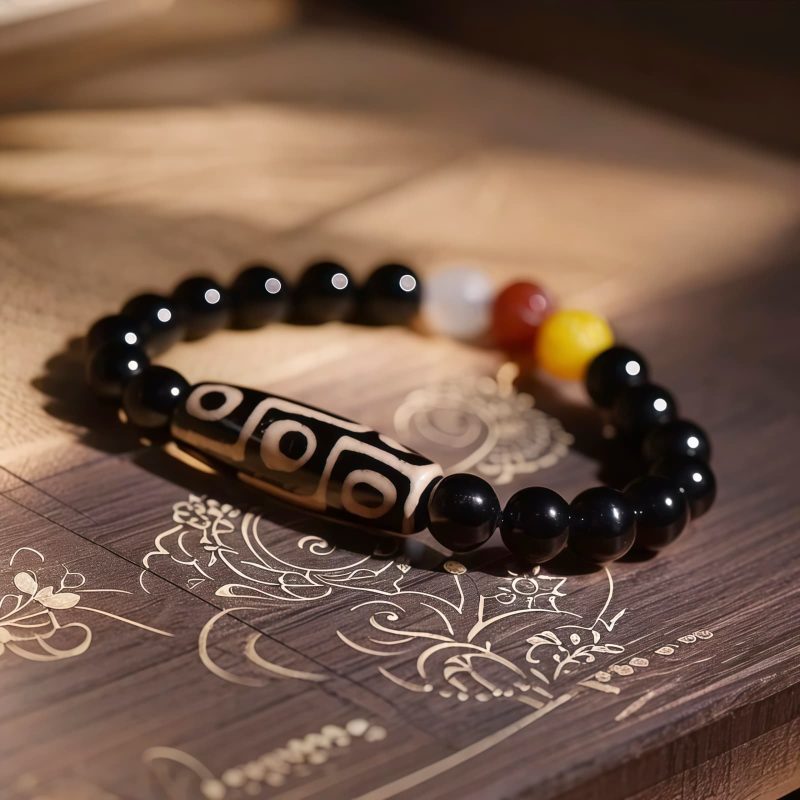
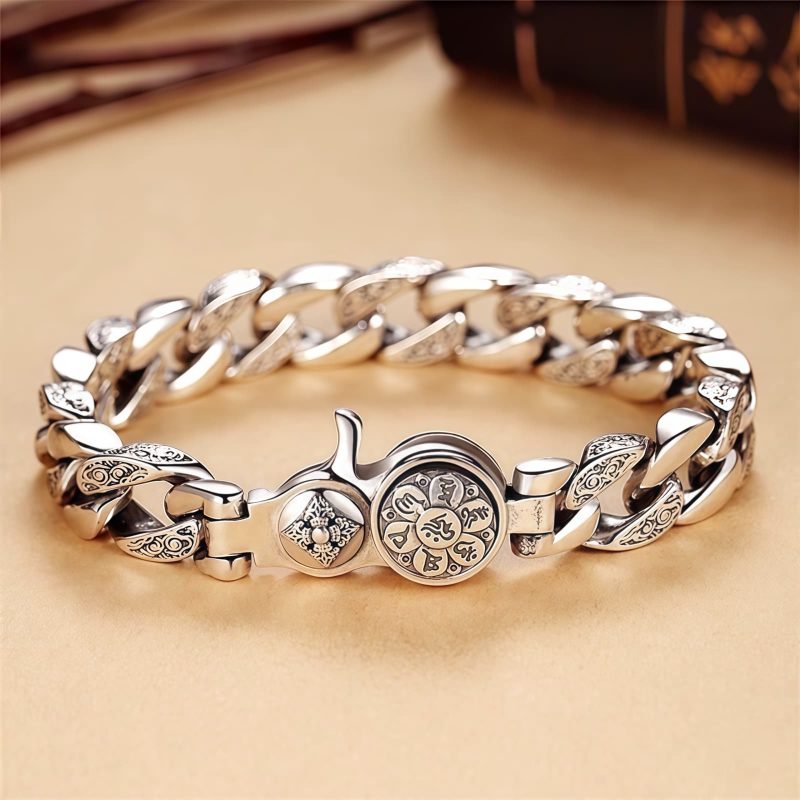
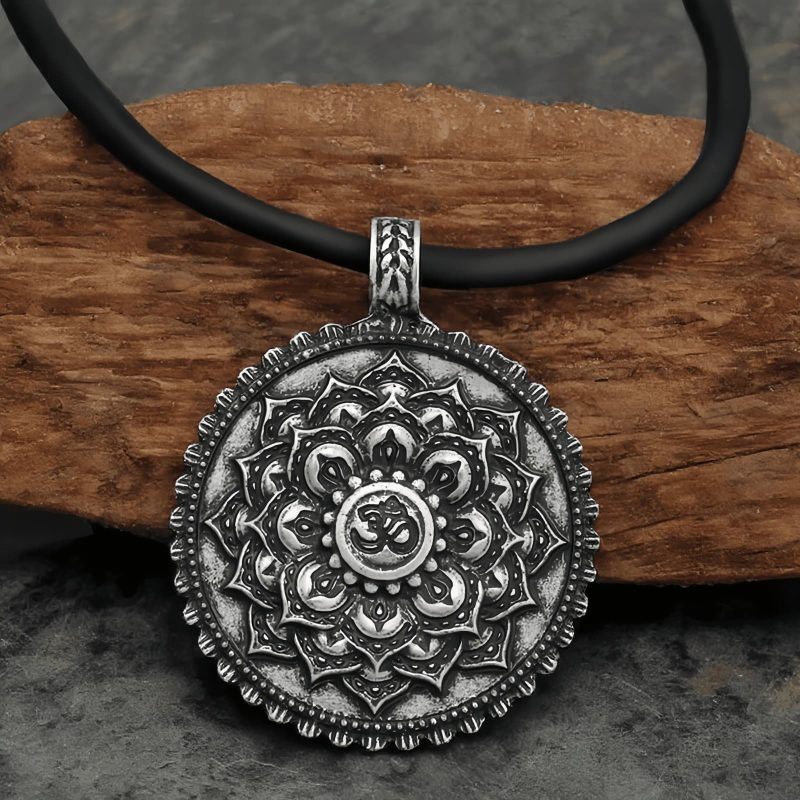
We do not need to command armies to apply the wisdom of this posture today. Modern interpretations strip away the literal claws and keep the structural core of the meaning, often appearing in the design of modern protective jewelry. The first place we see this is in the natural markings found on the animal’s forehead.
These lines are often abstracted into the 「Wang」 character, which translates to king. The mark signifies a sovereignty over one’s own mind and actions — a quiet declaration of independence that does not require an audience to be real.
To wear the mark is to remind yourself that your strength does not require an audience.
In a season when attention is pulled in a dozen directions before breakfast, this kind of inward kingship becomes harder to hold and more worth holding. The mark is less a charm against outside threats and more a small anchor for the part of the mind that keeps wanting to leave its own seat.
The same logic appears in another folk practice. The final step of making a cloth tiger toy is to dot the eyes with cinnabar — a bright red mark meant to awaken the object and focus its vision. We can borrow the gesture for ourselves, perhaps while handling prayer beads during a moment of morning reflection. Each day begins with one small act of pointing the gaze somewhere on purpose.
The still cat before its leap, the bronze tally waiting for its other half, the mark on the brow, the dot of cinnabar — they are the same lesson seen from different distances. Energy gathered in silence until the moment earns it.
よくある質問
What does the Chinese Zodiac Tiger mean?+
It symbolizes the paradoxical balance of dormant power and sudden, decisive action. The tiger embodies quiet strength, strategic restraint, and the ability to gather energy before acting.
How to display tiger images at home?+
When displaying tiger imagery, ensure the animal's head never faces the main door. This practice encourages the cultivation of power and energy within your own space, rather than inviting direct confrontation.
What is the "Wang" mark on a tiger?+
The distinct "Wang" character, often seen on a tiger's forehead, translates to "king." It symbolizes sovereignty over one's own mind and actions, representing a quiet declaration of personal independence.
Is Tiger's Eye stone related to this Zodiac?+
While both bear the "tiger" name, Tiger's Eye stone is a distinct quartz variety known for its chatoyancy and protective qualities. It is not directly tied to the Chinese Zodiac animal but shares resonant themes of inner strength and focused intent.
How to choose tiger-themed jewelry?+
Focus on designs that subtly evoke the tiger's essence through stylized forms or natural stone patterns. Choose pieces that reflect quiet strength and refined craftsmanship. Buddha Auras curates items that embody this dignity and balanced power.
How to set intention with tiger jewelry?+
Use a moment of quiet reflection, focusing your attention inward while holding the piece. This practice, similar to "awakening" a traditional toy, helps gather energy and clarify your intentions for deliberate action.
Which Zodiac signs benefit from tiger energy?+
The Tiger's energy of decisive action and inner strength can benefit many signs. Horses, Dogs, and Pigs often find harmonious resonance, while the Monkey might find a complementary dynamic in its strategic restraint.
How to care for spiritual jewelry?+
Many spiritual pieces benefit from occasional cleansing under running water or by moonlight to refresh their energy. Store them separately to prevent scratches, and avoid exposing them to harsh chemicals or extreme temperatures.