Buddhist Dragons: Dharma Guardians

Distinguishing the Buddhist Dragon from Western Lore
In Western folklore, the dragon is typically an adversary—a fire-breathing beast representing greed or chaos. However, within Buddhist symbolism, these entities serve a functional and benevolent role. They are not monsters to be slain, but sophisticated archetypes integrated into the spiritual landscape. Understanding Dragons in Buddhism requires shifting focus from external conflict to internal mastery.
This analysis examines how these beings protect the Buddha, safeguard his teachings, and represent the practitioner’s journey toward enlightenment. By contrasting these roles with common cultural tropes, we can better understand their specific spiritual utility. These figures are essential for anyone studying the development of Buddhist iconography and its influence on Asian cultures.
Origin and Identity of the Naga
The Buddhist dragon is rooted in the much older tradition of the Nāgas. These serpentine beings inhabit the natural world, specifically water sources like rivers and oceans. In the early Buddhist tradition, Nāgas were understood as sentient entities capable of shapeshifting and possessing supernatural abilities. They act as bridges between the elemental world and the spiritual path.
Nāgas are characterized by their social structure and their status as custodians of sacred knowledge. They are not irrational beasts; they are moral agents capable of choosing the path of the Dharma. This distinction is vital for practitioners. It suggests that even the most powerful elemental forces can be redirected toward spiritual growth and ethical conduct.
Structural Differences in Representation
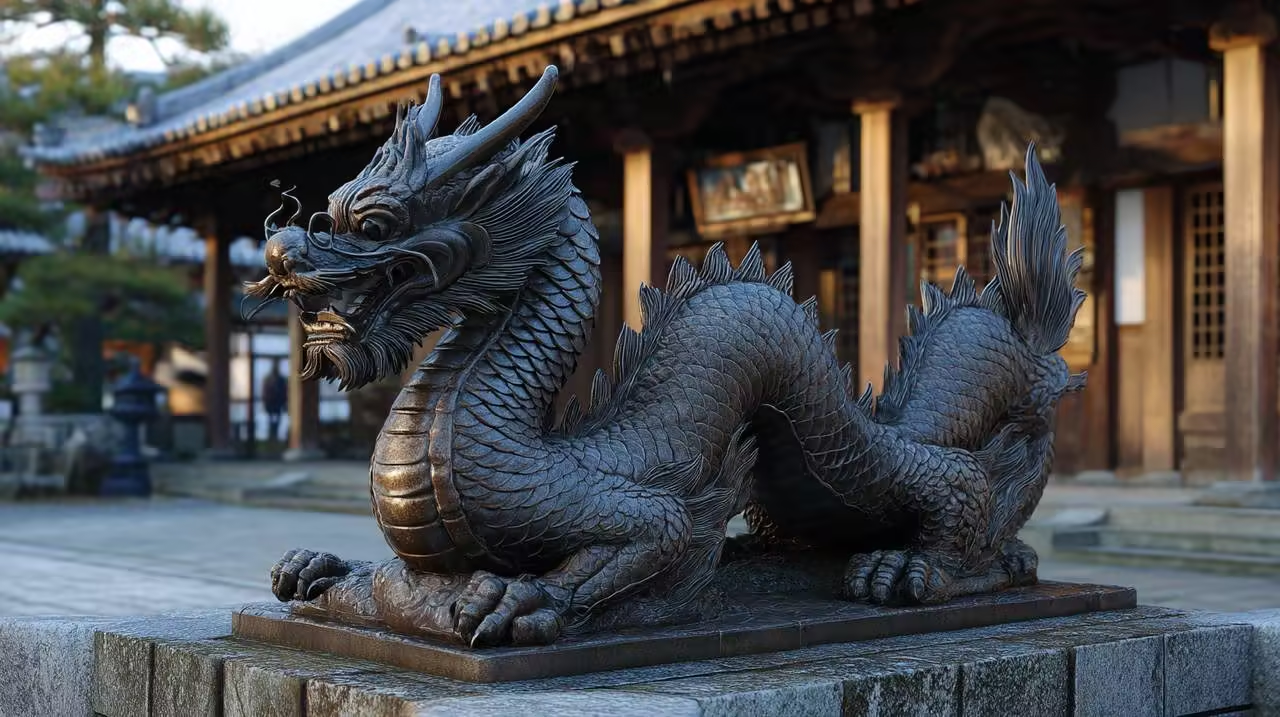
While artistic styles vary from the multi-headed serpents of India to the antlered dragons of East Asia, specific features define their identity. These physical traits are more than aesthetic choices; they are visual shorthand for spiritual truths. For instance, the presence of these traits in Vajrayana Buddhism often highlights the dynamic energy of the mind.
- Mastery of Flight: Many East Asian dragons lack wings yet move effortlessly through the sky, representing the mind’s ability to transcend physical limitations.
- Elemental Control: Their association with rain and storms signifies dominion over the life-sustaining forces necessary for both agriculture and spiritual survival.
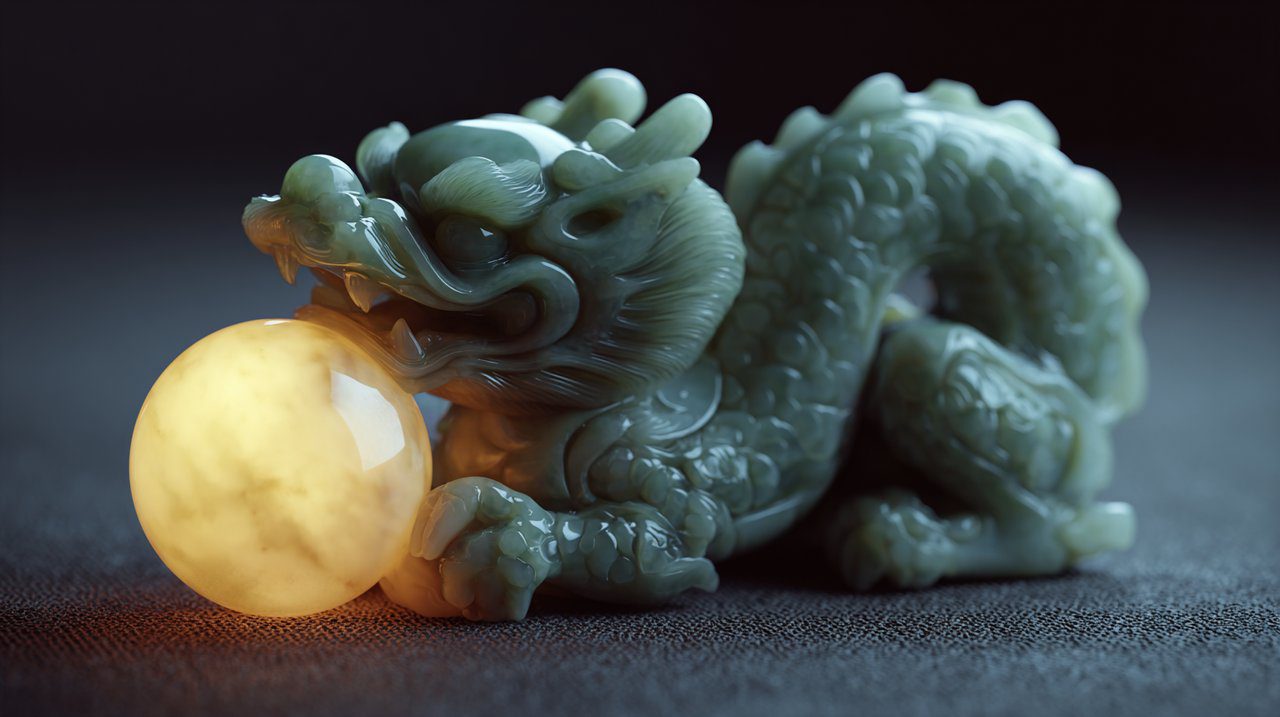
- The Luminous Pearl: Usually depicted in their claws, this orb represents wisdom in Buddhism or the realization of the Dharma itself.
Protective Archetypes: The Naga and the Buddha
The primary role of the Buddhist dragon is that of a protector. This is best illustrated by the story of Mucalinda, the Nāga King. Following the Buddha’s enlightenment, Mucalinda shielded the meditating Siddhartha from a week-long storm using his own coils and hood. This act demonstrates that the dragon is a voluntary servant of the truth, protecting the source of liberation from external disruptions.
This protective function extends to the physical and textual world. Dragons are frequently cited as the guardians of the Mahayana sutras, keeping them safe until humanity was ready to receive them. This narrative highlights the dragon’s role in the continuity of the Buddha’s legacy.
Dragons as Dharma Guardians in Practice
Beyond scripture, the dragon’s presence is felt in the architecture and rituals of daily Buddhist life. They serve as psychological reminders of the strength required to maintain a spiritual practice. This is not merely tradition; it is a lived experience of communal and individual protection.
- Architectural Sentinels: Temple carvings are intended to clear the practitioner’s mind of negative influences before they enter a sacred space.
- Ritual Invocation: Historical ceremonies used dragons to request rain, linking spiritual devotion to the practical needs of the community.
- Symbolic Support: In murals, they appear alongside Buddhas, indicating that the entire natural order supports the path of awakening.
Symbolic Ascent and Internal Transformation
The most significant aspect of the Buddhist dragon is its role as a metaphor for spiritual progress. The transition from the depths of the water to the heights of the clouds mirrors the practitioner’s ascent. It is a movement from the “heavy” state of ignorance to the “light” state of clear seeing.
The dragon’s journey represents the purification of consciousness. It involves shedding instinctive, unskillful behaviors and manifesting the inherent potential of the Buddha-nature. In this context, the dragon is a model for the internal metamorphosis every practitioner seeks. It is the visual embodiment of the path from suffering to liberation.
Strength through Compassion
Unlike Western dragons that use power for destruction, the Buddhist dragon uses elemental mastery to foster balance. This power is rooted in benevolence. In the Buddhist view, true strength is inseparable from the desire to alleviate the suffering of others.
- Resilience: The dragon represents the indomitable spirit needed to face the obstacles of the ego.
- Adaptability: Their shapeshifting ability mirrors the flexibility of wisdom, which adjusts to different circumstances to help others effectively.
- Benevolent Impact: Just as rain nourishes the earth, the dragon’s influence is meant to nurture the spiritual seeds within every sentient being.
Practical Integration into Modern Life
Viewing a dragon at a temple or in art should be a meditative act. It is an invitation to assess one’s own internal progress. Are you protecting your own path like Mucalinda, or are you seeking the clarity of the dragon’s pearl?
Recognize these symbols as tools for personal growth. The dragon reminds us that the path to wisdom is not passive but requires the active cultivation of strength and compassion. When you encounter this imagery, let it serve as a prompt to align your power with ethical purpose. True transformation occurs when we look past the myth and apply the underlying logic of the Dharma guardians to our own actions.