Does Your Teacup Truly Shape Your Tea Experience?

The soft scrape of a ceramic foot ring on a wooden table. The subtle resistance of unglazed clay against your fingertips. These are the first notes in the quiet song of your tea ritual.
We often focus on the leaves, but the vessel in your hands is the true conductor of the experience. It directs aroma, shapes flavor, and sends a gentle warmth through your palms that can ease the tension from your shoulders.
This object is your physical anchor to the present moment. Its weight, texture, and temperature create a direct, undeniable connection that grounds you before the first sip.
Before we explore the finer details of how a single cup can shape your ritual, it’s helpful to know this article is part of our complete guide to the . There, you can explore the full spectrum of styles and traditions.
The Ground Beneath Your Hands
The material of your cup is in constant dialogue with the tea. It holds heat, influences taste, and defines the primary tactile experience of your ritual.
Understanding the thermal conductivity in teacups is the first step. A vessel’s composition isn’t just about aesthetics; it’s a functional choice that shapes how you physically interact with the brew.
A Practical Tea Pairing Guide
Matching the material to your goal for the session can dramatically shift its outcome. Think of it as a tea pairing guide for your state of mind.
- For Focus and Clarity: When you need to sharpen your thoughts, the clean, rapid heat transfer of thin porcelain can act as a sensory alarm, waking up the palate and mind.
- For Creative Flow: If you’re feeling stuck, a cup with a noticeable hand-thrown clay texture can help. The varied, imperfect surface gives your fingers something to explore, gently breaking rigid thought patterns.
- For Calming Stability: For moments of overwhelm, the substantial weight of a thick, stoneware cup offers a reassuring presence. Its slow, steady warmth is a physical reminder to slow down.
-
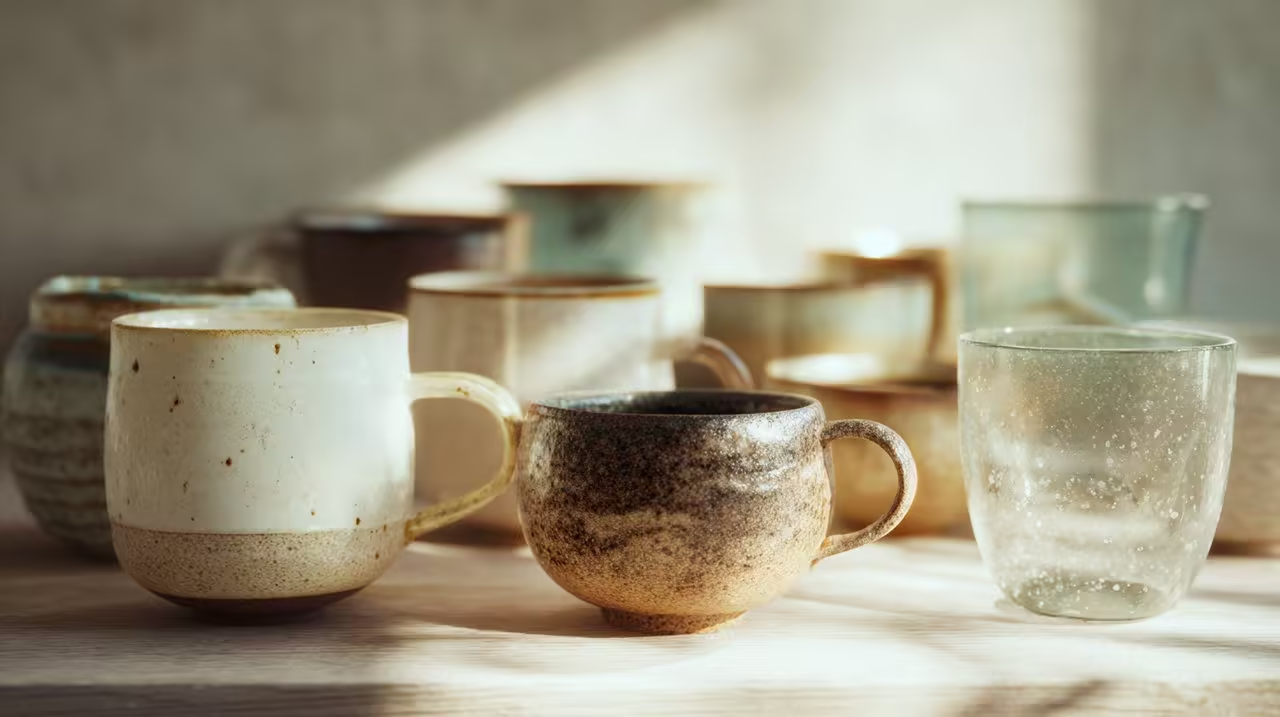
Porcelain and Ceramic. High-fire porcelain keeps your fingers safe while locking in the exact water temperature. Paper-thin walls cool delicate green teas rapidly.
Understanding the subtle dynamics of porcelain vs stoneware helps deliver a crisp, refreshing clarity directly to your palate.
-
Glass. Transparent glass frames a purely visual focus as dry leaves slowly expand and sink. Double-walled varieties brilliantly display the brewing liquid, ensuring you find a piece that protects your hands from excessive heat.
-
Unglazed Clay. These earthy pieces form an active, evolving bond with your daily brew. The porous walls absorb microscopic tea oils over years of constant use, building a physical memory of every session.
The vessel matures over time, physically rounding out harsh roasted notes and softening the liquor.
-
Matte Glaze. Modern practitioners often turn to soft, non-reflective glazes for their muted visual presence. The specific reactions in glaze chemistry in teaware create a surface that absorbs ambient light rather than reflecting it.
Passing your thumb over this subtle texture offers a simple, repetitive sensation, much like tracing the beads of a mala beads necklace.
Look beyond the obvious glaze and turn the piece over. Inspect the foot ring at its base.
A smoothly polished foot ring isn’t just an aesthetic choice; it’s a sign of meticulous construction that prevents the clay from scratching your table. This attention to detail is a core tenet of the basics of pottery craftsmanship, ensuring the vessel serves you quietly and perfectly.
The Geometry of Presence
The geometry of a vessel is a masterclass in sensory experience design. It dictates the precise angle at which hot liquid meets your taste buds, forming the core principle behind matching shapes to your chosen brew.
-
The Rim. A wide, flared rim spreads the liquid across your entire tongue, highlighting a tea’s thick, syrupy body.
A narrow, tulip-shaped cup, however, concentrates the delicate, volatile scents.
It funnels the aroma directly to your nose, making the act of smelling a primary part of the experience before you even take a sip.
-
The Base. A broad, flat base encourages the tea to spread evenly and cool uniformly, creating a softer mouthfeel. A narrow base concentrates the liquid into a focused stream, delivering a sharp hit of flavor directly to the center of your palate.
-
The Lip. A thin, tapered lip minimizes the physical barrier between vessel and body. It guides the liquid directly to the apex of your tongue to amplify natural sweetness. A flared outward lip directs the tea across the sides of your mouth, rounding out the sharp astringency of strong green teas.
The overall capacity and weight distribution dictate your physical drinking rhythm. Tiny cups demand a highly deliberate, measured pace, while larger vessels invite long, uninterrupted periods of quiet sitting. A top-heavy piece, for instance, can create slight muscle strain in your wrist—a tiny physical distraction that pulls your attention away from the tasting notes.
The Lens of Your Brew
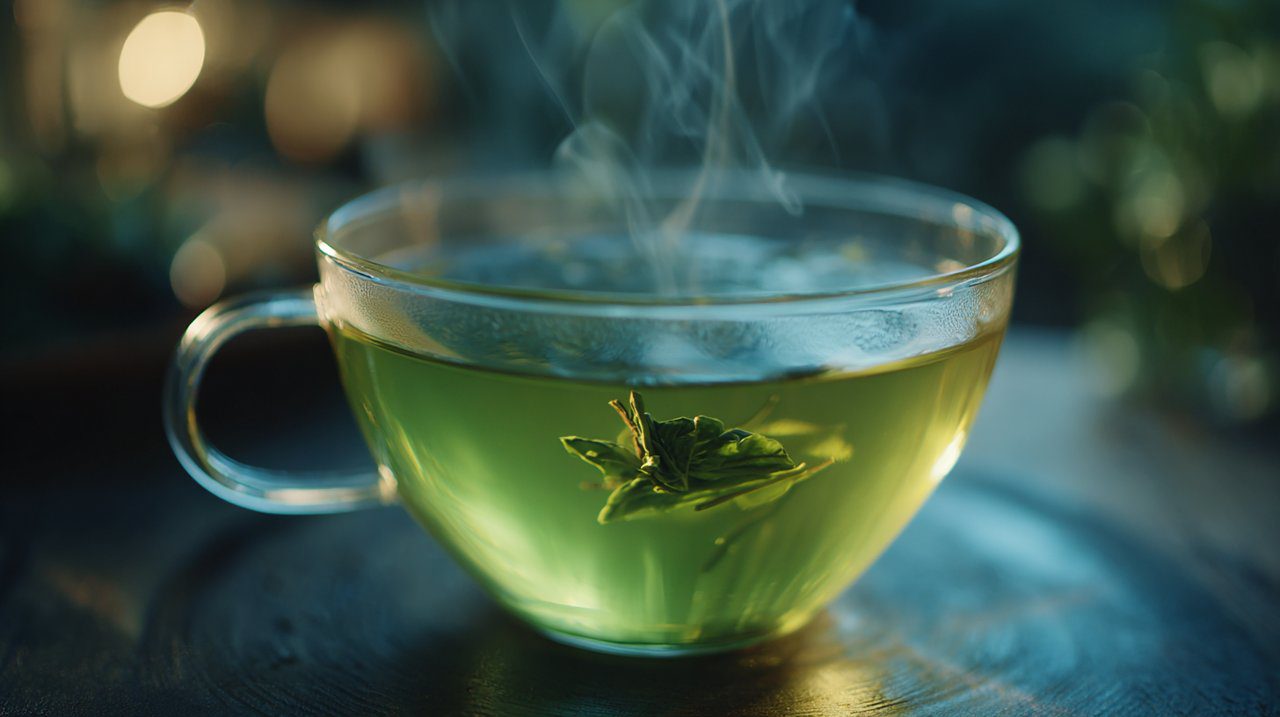
The interior glaze is the canvas for your brew. A pure celadon glaze, for example, catches light to enhance the vibrant hues of a fresh green tea.
This is a principle with deep roots in Chinese tea culture history. In his 8th-century text, The Classic of Tea, the master Lu Yu praised celadon from the Yue kilns, which were essentially the premier artisan pottery studios of their time.
He noted its jade-like quality did more than look beautiful; it philosophically aligned with Taoist ideals of nature and balance. By visually neutralizing harsh tones, it allowed the tea’s true green essence to shine, creating a harmony between object and liquid that is the very definition of teaware aesthetics.
-
Transparent Glass. Bare glass highlights the golden clarity of the liquor. It frames the stark, gravity-driven movement of the leaves suspended in the water.
-
Light Interiors. Crisp white or pale celadon interiors create a sharp visual contrast against the dark liquid. This stark backdrop allows you to track the subtlest color shifts, helping you judge the exact brewing strength with absolute accuracy.
Beauty in the Flaw
Central to traditional Japanese design is the chawan. This heavy bowl perfectly embodies the aesthetic philosophy of wabi-sabi, a cornerstone of the Zen lifestyle. You cup the warm, asymmetrical bowl with both hands, and your fingers immediately register the coarse bite of the raw clay.
Tracing the unglazed foot ring at the base provides a sudden, rough texture against your skin. This raw touch acts as a cognitive reset, dropping you completely into the present second.
The thick, irregular glaze mimics the harsh weathering of the earth. These deliberate physical flaws command your immediate attention, elevating the simple act of drinking into an appreciation of natural imperfection.
The Art of Attention
The traditional gongfu tea ritual demands absolute, undivided physical awareness. It relies heavily on tiny, handle-less cups designed to trap rapidly fading floral scents.
The required wrap-around finger grip provides direct, tingling warmth against your skin. You monitor the descending temperature of the porcelain, treating the sharp heat as a sensory focal point. Counting your breaths in rhythm with the repetitive pouring cycle helps tune out external distractions.
An Anchor in Your Palm
Your teacup is more than a tool. It is a physical companion on a quiet journey inward.
We rely on these heavy, textured objects because the mind drifts easily without a tether. The warmth of the clay against your palm, the solid weight in your hands—these act as undeniable anchors, demanding you stay exactly where you are.
This is where the physical and the mental reconnect. The stability of a low, heavy base doesn’t just prevent spills; it offers a subtle, psychological feeling of security. The act of balancing the cup encourages a more stable posture, which in turn can quiet the nervous system.
Over time, your body builds a tactile memory.
Each time you hold that familiar cup, your muscles recall the relaxation of yesterday’s session. This physical catalog of peace becomes an emotional buffer against the rush of the day.
But that need for a grounding touchstone doesn’t end when the tea is gone. The practice is about learning to find stillness through physical sensation.
When you step back into a demanding world, that same tactile memory can be found in the cool, polished surface of a gemstone or the reassuring weight of a mindful ring.
This is how the fleeting quiet of a ritual, anchored by a piece of spiritual jewelry, becomes an enduring part of your reality.