Does Your Agarwood Mala Sink or Float?

Hold a piece of aged agarwood in your palm.
Its weight tells a story of decades spent in silent transformation.
The ‘sink or float’ test for a buddhist mala necklace isn’t just a technical check. It’s a glimpse into the wood’s resilience.
Before comparing density, browse our rare agarwood malas to see how bead size, grain, color, and stringing vary across finished strands.
Why Some Wood Sinks
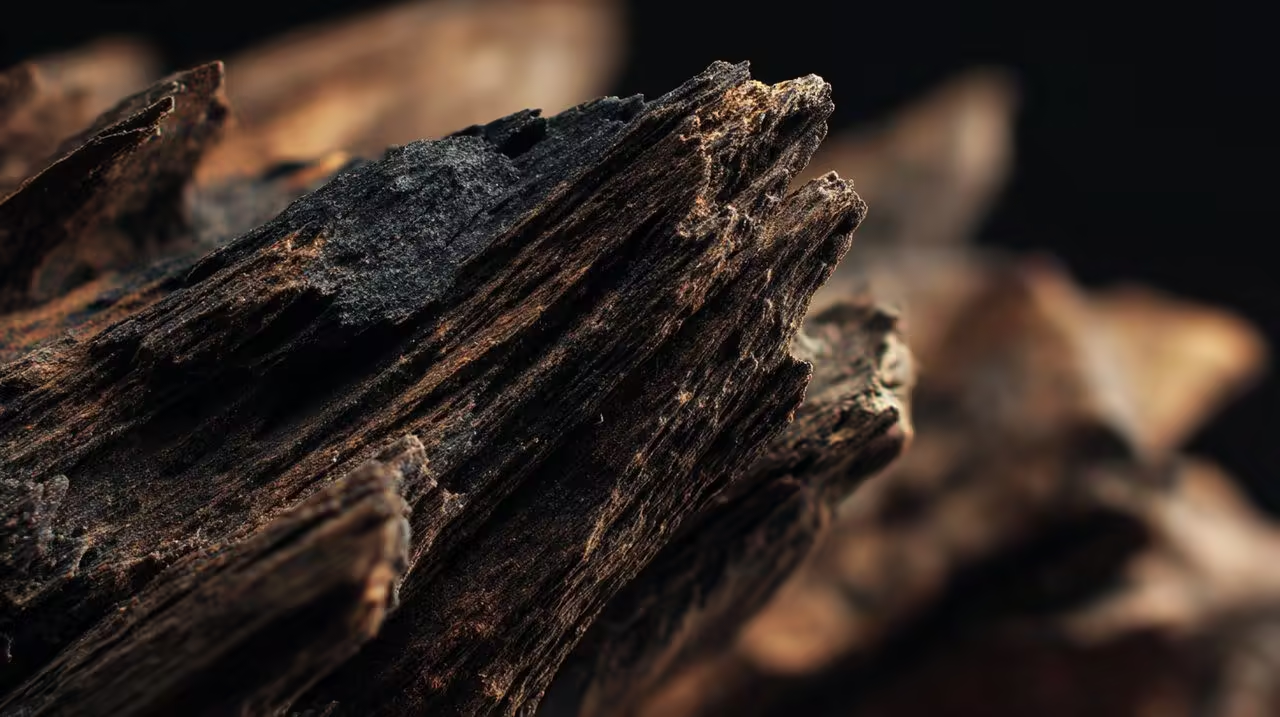
Agarwood is born from injury. When an Aquilaria tree is wounded, it produces a dark, fragrant resin to heal itself. Over years, this resin seeps into the wood’s microscopic structures, solidifying and creating visible patterns.
This resin is much denser than the wood itself. When enough of the wood’s cellular structure is filled with this resin, its overall density surpasses that of water, causing it to sink. This is the simple physics behind a legendary material.
Sinking-grade agarwood is the pinnacle of this natural process. But there is a spectrum. ‘Near-sinking’ pieces hover just below the surface, while floating grades have a lower resin content. Each tier represents a different level of rarity, directly influencing its value as a collector’s item, much like the clarity and color determine the price of rare red gemstones.
The Weight of Stillness
Sinking agarwood is prized for its substantial feel. The density gives it a noticeable weight in the hand, a solid presence that warms as it absorbs your body heat.
During meditation, this weight can be a profound focus point. It provides a physical sensation of grounding, similar to the energy of root chakra stones, helping to quiet the mind during long sessions.
Holding a sinking mala feels intentional. It’s a piece of nature’s resilience that accompanies your own search for stillness.
What About Floating Beads?
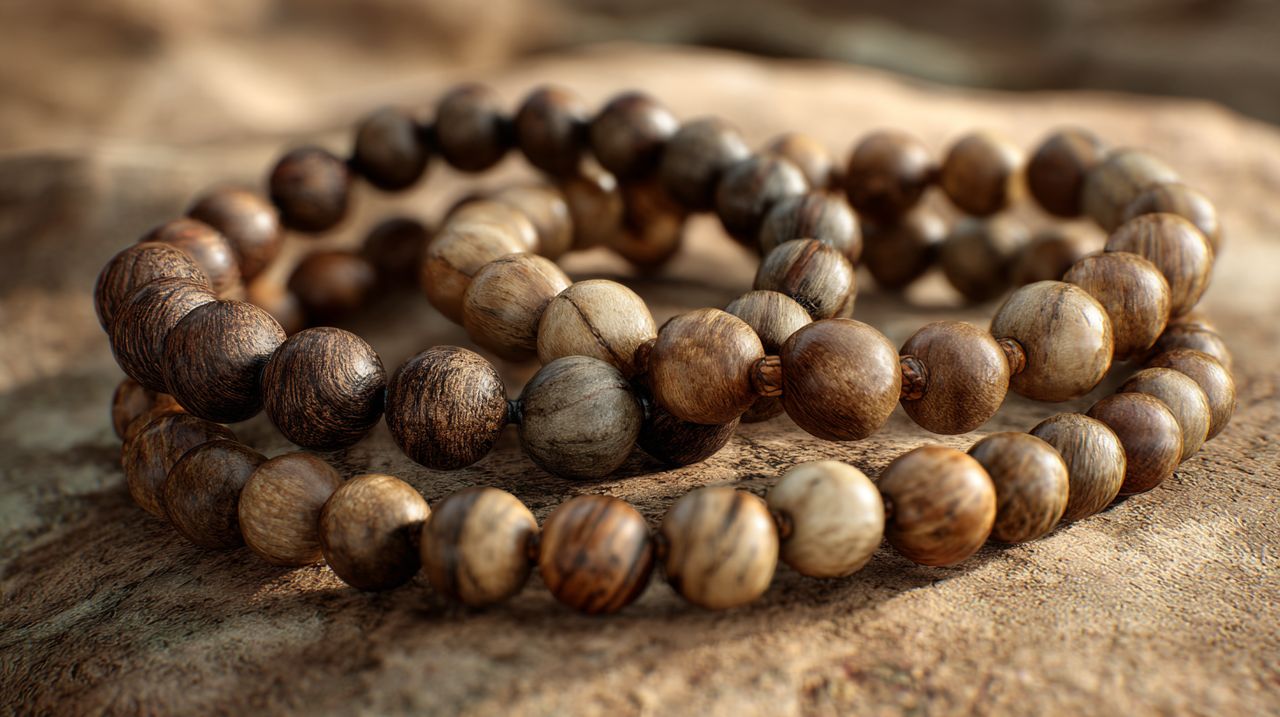
A floating mala is not a lesser choice; it is simply different. These pieces have a unique balance of wood and resin, resulting in scent profiles that are often lighter and more accessible.
Their minimal weight makes them comfortable for all-day wear, a gentle aromatic companion that doesn’t overwhelm. This makes them ideal for daily mindfulness, much like a traditional bodhi mala is valued for its lightness and connection to history.
A non-sinking mala offers a quiet, constant presence. It reminds you of your path through the day without demanding attention.
Spotting Artificial Weight
The high value of sinking wood has led to fakes. Low-quality timber is often injected with oil under pressure to artificially increase its weight. These pieces might sink, but they lack the soul of true agarwood.
This process clogs the wood’s pores, creating a greasy surface and a scent with a sharp, chemical note. The most telling sign is revealed with gentle heat. When warmed, a fake bead will release a harsh, acrid, or even burnt smell. Real agarwood, in contrast, will bloom with a sweet, complex fragrance.
Over time, the artificial oil leaches out, leaving the beads dull and sticky. True agarwood only improves with age, maturing with your skin’s oils, much like the prized patina on authentic dzi beads and other forms of traditional Tibetan jewelry.
A Crucial Warning About the Water Test
While the “sink or float” test is well-known, you should never submerge a finished mala in water. This test is for raw, unfinished wood only.
Exposing a crafted mala to water can damage the polish, weaken the cord, and cause the wood to swell or crack. It is a sacred tool, not a science experiment.
Finding Your Perfect Match
The right mala is defined by your personal connection rather than a buoyancy test. Consider these elements when choosing your companion:
- Regional Character: Kalimantan agarwood carries the coolness of a rain-washed forest’s breath. As it warms, it blossoms into notes of deep leather and spice.
- Sweetness of Origin: Hainan varieties offer a different path, greeting you with a honey-like sweetness reminiscent of warm morning sunlight.
- Ethical Sourcing: We partner exclusively with sustainable plantations that use traditional, non-invasive harvesting. Each batch is inspected for natural resin patterns to ensure no chemical accelerants were used.
The best mala is the one that resonates with your breath. Whether it is the grounding weight of a sinking piece or the airy grace of a floating one, choose the partner that helps you cultivate stillness.
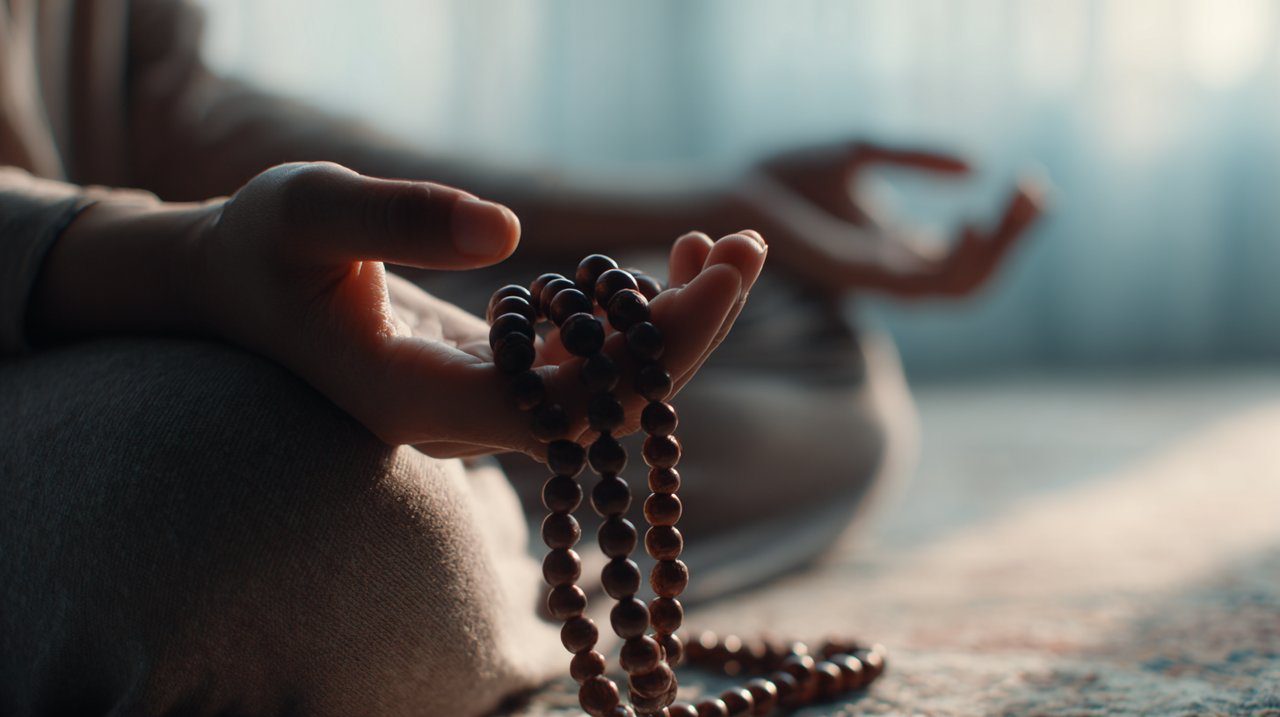
The density of your agarwood isn’t a grade of your practice, but a physical testament to its journey. It is a silent partner, its weight and warmth a constant echo of the peace you cultivate within.