


Orders over $60.00 Get FREE SHIPPING ✈️
Limited Time Offer 30-day money-back guarantee*
Special Discount Hassle-free returns within 30 days

How to Practice Meditation with Buddha Postures and Mudras

A Buddha statue is not merely a depiction; it is an argument articulated in physical form. Its posture (asana) and hand gestures (mudras) represent a deliberate and sophisticated language. Each element communicates a specific state of consciousness or a core philosophical principle.

To truly understand these statues is to move beyond simple identification. It requires an analysis of how form dictates function. This guide provides a comparative framework for the most significant Buddha poses and mudras, examining their symbolic roots and their direct application in meditative practice.

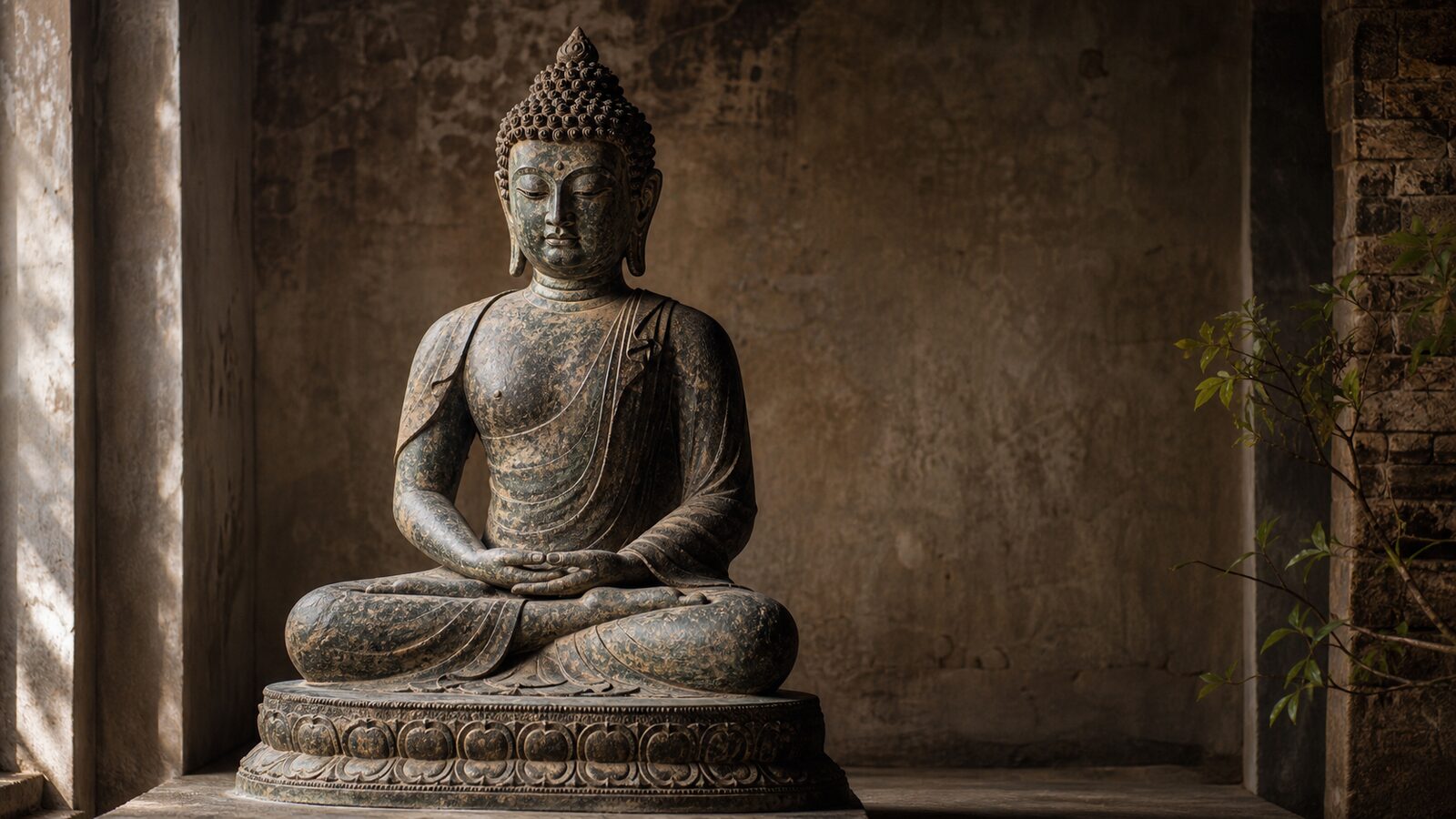
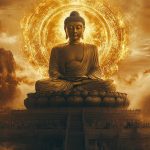
An ancient Buddha statue radiating peace.

Posture as Philosophy: Decoding Buddha Forms

Origins and Symbolic Language

Buddha postures are a visual thesis on spiritual concepts like enlightenment, compassion, and inner balance. Originating in ancient India, these forms evolved as Tibetan Buddhism and other schools like Theravada Buddhism and Mahayana Buddhism spread across Asia. Each posture—seated, standing, or reclining—narrates a distinct chapter of the Buddha’s journey.

These forms serve as tangible anchors to the foundational tenets of buddhist philosophy. To understand their context within the broader narrative of the Buddha’s life and teachings, exploring The Human Path: Five Insights into the Buddha’s Enduring Legacy offers valuable perspective.

A Comparative Look at Common Postures

Different postures represent distinct approaches to spiritual states. By analyzing their structure, we can understand the specific wisdom each form imparts.

Seated Postures: The Architecture of Stillness

These forms are archetypes of meditation and inner stability. While all aim for a grounded presence, they offer different levels of intensity and physical engagement.

  • Lotus Position (Padmasana): With legs fully crossed and feet on opposite thighs, this is the most stable and iconic meditative posture. It symbolizes unwavering focus, reflecting the potential for clarity to arise from life’s complexities.
  • Half Lotus (Ardha Padmasana): A more accessible variation with one foot on the opposite thigh. It offers a balance between stability and comfort, serving as a practical entry point for sustained practice.
  • Burmese Position: Both legs are folded with one foot in front of the other. This posture provides a broad, stable base without the joint pressure of the lotus, making it ideal for long sessions.

Standing Postures: The Embodiment of Active Compassion

Standing forms typically signify teaching, protection, or direct engagement with the world. They represent the Buddha’s active presence and guidance.

Reclining Posture (Lion’s Pose): The Final Liberation

This posture depicts the Buddha on his right side at the moment of Parinirvana. It is not a symbol of rest but of the ultimate release from the cycle of suffering.

A posture sets the foundational state, but the hands conduct the specific spiritual frequency. These gestures, or mudras, refine the message with surgical precision.

The Expressive Hands: An Analysis of Buddha Mudras

The Function of Symbolic Hand Gestures

Beyond the primary posture, mudras function as a complementary symbolic system. Each intricate hand position channels specific energies and transmits a precise spiritual message. They are not merely decorative but are integral to the statue’s complete teaching, much like the geometric precision of mandala art conveys complex cosmic principles.

Understanding these Buddha statue hand gestures adds a critical layer of interpretation. It transforms the statue from a static object into a dynamic source of instruction, rich with the details of buddhist iconography.

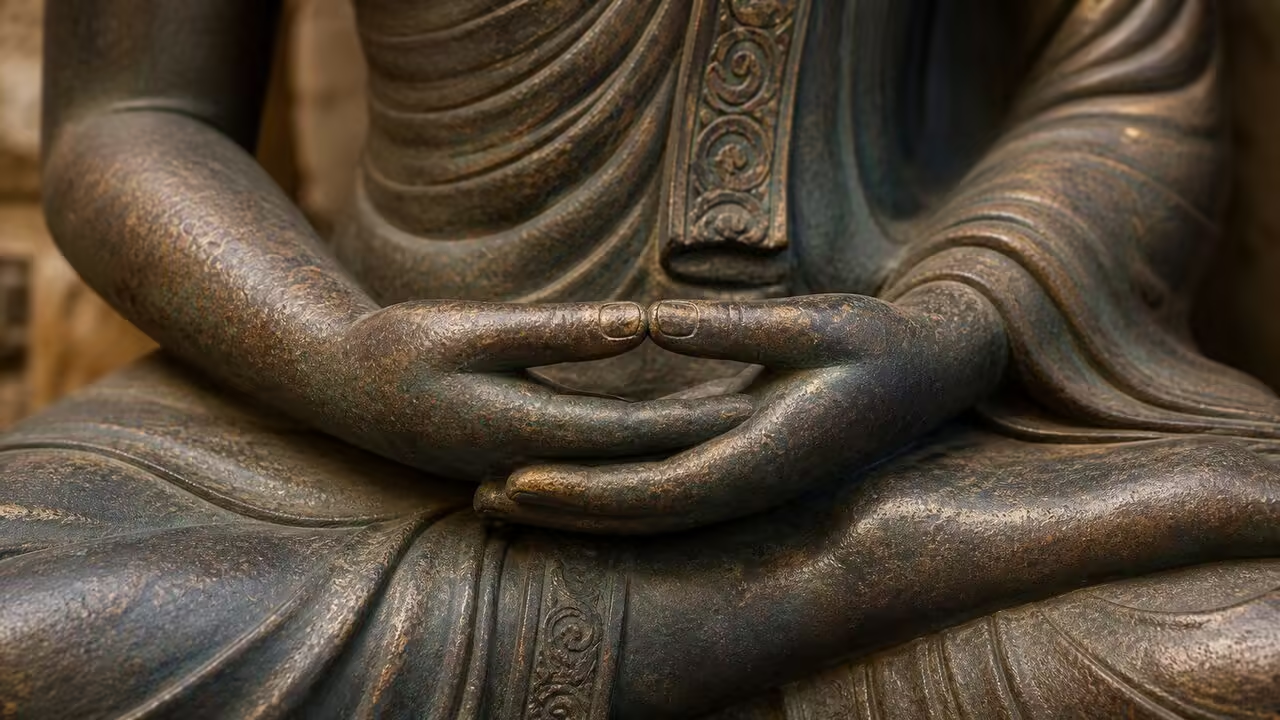
Close-up of Buddha hands forming a mudra.

Key Mudras and Their Energetic Signatures

Each mudra has a distinct energetic and philosophical signature. Analyzing them comparatively reveals their unique roles.

  • Bhumisparsha Mudra (Earth-Touching): The right hand touches the earth, symbolizing the moment of enlightenment. It calls the earth to witness the Buddha’s resolve against temptation. Practitioners invoking this mudra often report a feeling of deep-rooted certainty and unwavering conviction.
  • Dhyana Mudra (Meditation): Both hands rest in the lap, palms up, with thumbs lightly touching. This gesture signifies profound concentration and wisdom. Contrast this inward-facing gesture with the outward-facing Abhaya mudra; the dhyana mudra cultivates internal unity, while others project energy outward.
  • Dharmachakra Mudra (Wheel of Dharma): The thumbs and index fingers of both hands form circles at the chest. This represents the Buddha’s first sermon, setting the “Wheel of Law” in motion. It is the mudra of teaching and intellectual transmission.
  • Abhaya Mudra (Fearlessness): The right hand is raised, palm outward. The abhaya mudra is a gesture of protection, peace, and reassurance. It actively dispels fear, creating a field of safety and benevolence.
  • Varada Mudra (Generosity): The right hand extends downward, palm outward. This symbolizes compassion, charity, and the granting of blessings. It represents an unconditional offering of spiritual and material abundance.

Having analyzed the symbolic language of these forms, we now shift to their practical integration. These ancient designs are not just for contemplation; they are blueprints for personal practice.

Meditation Postures: From Symbol to Practice

Establishing a Foundational Posture

A stable meditation posture is the physical foundation for mental stillness. The primary goal is not to achieve an idealized form but to create a stable base that allows the body to relax and the mind to settle. The choice of posture directly impacts energy and focus.

Consider these accessible options, each designed to support sustained awareness:

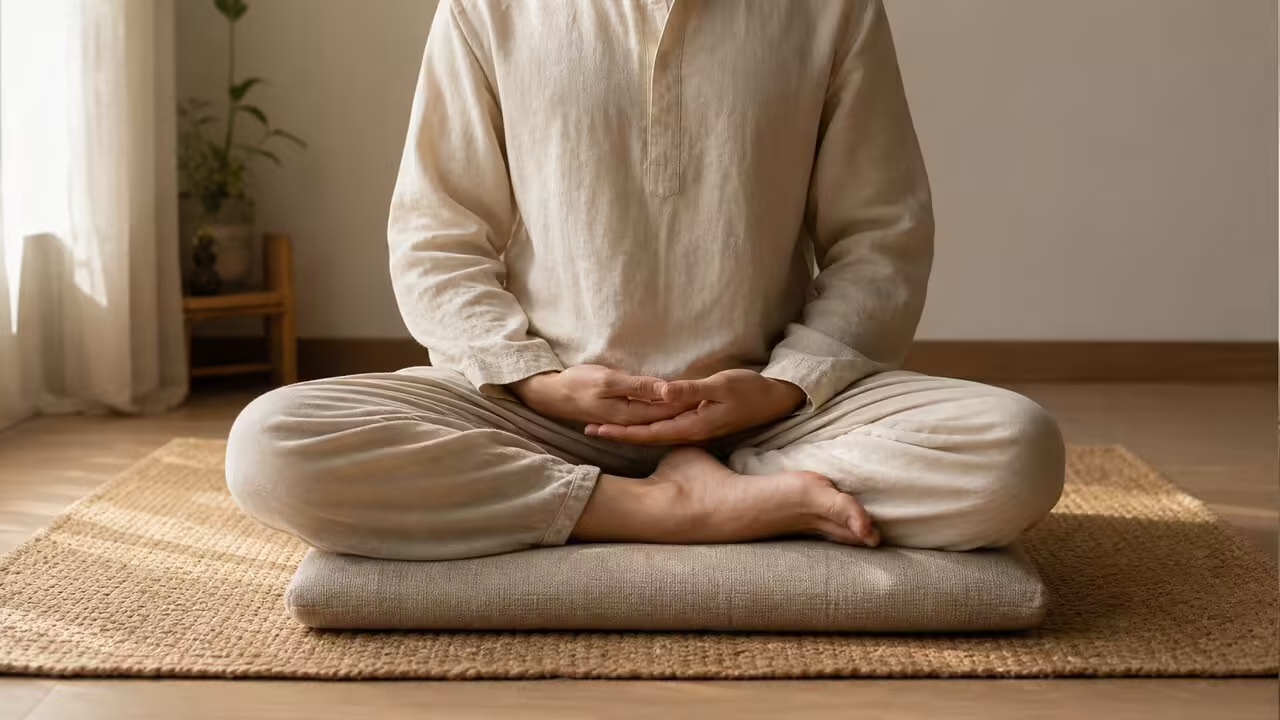
  • Burmese Position: Sit with legs folded, one foot before the other. A cushion elevates the hips, tilting the pelvis forward to maintain a natural spinal curve. This is crucial for longer sessions of vipassana meditation.
  • Seiza or Vajrasana (Kneeling): Kneel with your bottom on your heels. A meditation bench or cushion placed between your heels and seat can alleviate pressure on the knees, promoting an upright yet relaxed alertness. The vajrasana pose is known for its grounding qualities.
  • Chair Meditation: Sit upright in a chair with your feet flat on the floor and your spine straight. This is a highly effective posture that provides stability without physical strain, making the practice accessible to everyone.

Integrating Hand Gestures for Focus

Once settled, the hands can anchor your meditative state. The Dhyana Mudra is exceptionally effective for deepening concentration. Place your right hand over your left, palms up, and lightly touch the tips of your thumbs. This creates a subtle energetic circuit that calms the nervous system.

This silent, physical practice can be complemented by other sensory anchors. Some traditions use the resonance of tibetan singing bowls or the rhythmic repetition of chanting mantras to quiet the mind. The combination of a stable posture and a focused mudra, however, provides a powerful, self-contained method for inner exploration.

Holistic Impact: Beyond Physical Form

Mental Clarity and Stress Resilience

Engaging with Buddha postures—through study, contemplation, or practice—cultivates presence. The stillness they embody is an invitation to anchor your attention in the present moment. This practice sharpens mental clarity, allowing you to navigate daily life with greater awareness and less reactivity.

Consistent engagement with these forms serves as an anchor. It gently shifts focus from external demands to a stable internal center, effectively reducing stress and anxiety.

Emotional Balance and Spiritual Connection

These sacred forms are practical lessons in patience, non-attachment, and the power of stillness. This understanding fosters a greater capacity for compassion toward oneself and others.

They are not historical artifacts but living blueprints for a more harmonious existence, offering a clear direction on the enlightenment path.

Ultimately, engaging with these postures is a process of self-discovery. This exploration of sacred symbols provides clarity, peace, and a deeper connection to the principles they represent.

BuddhaAuras Editorial Team

The BuddhaAuras Editorial Team serves as the architectural voice of our platform. Our mission is to construct a clear, reliable, and accessible framework of knowledge on Eastern wisdom. We focus on clarifying complex concepts and presenting structured, objective information, empowering you to build your own understanding on a solid foundation.

Leave a Reply